

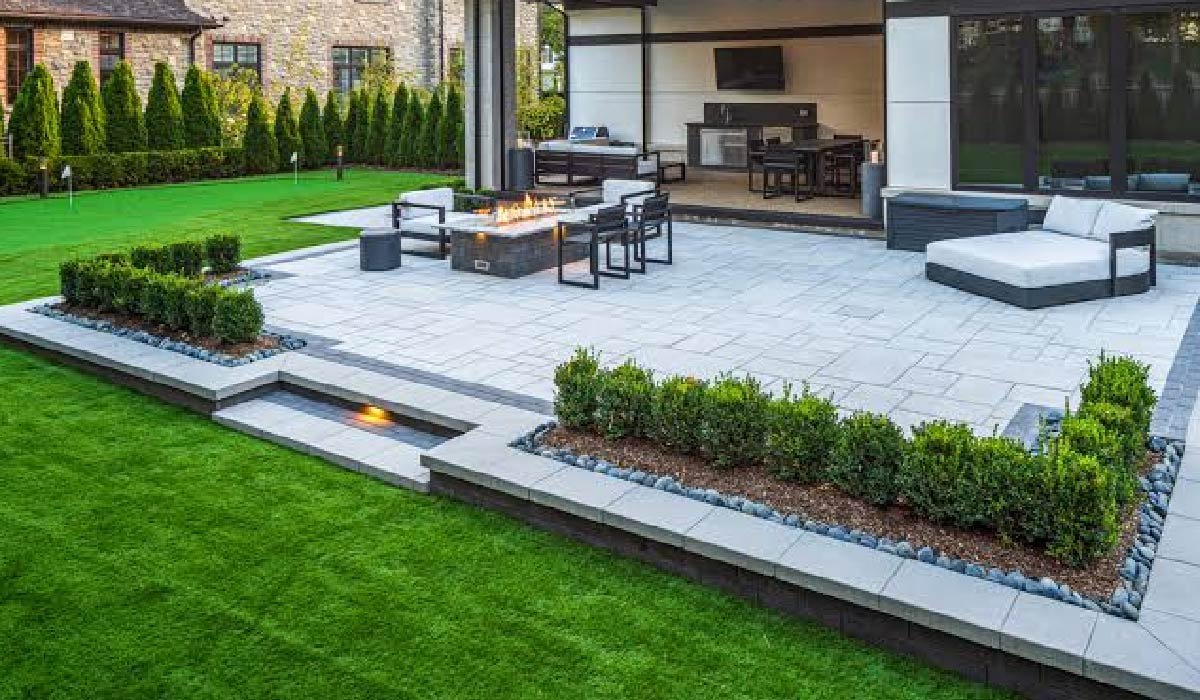
Creating a beautiful and functional outdoor living area is an excellent way to improve a property’s appearance, increase usable space, and provide a comfortable environment for relaxation and entertainment. A professionally designed patio can transform an ordinary backyard into an inviting outdoor retreat where homeowners can enjoy family gatherings, host guests, dine outdoors, or simply spend time surrounded by nature. Among the many outdoor flooring options available, pavers have become a popular choice because of their durability, versatility, attractive appearance, and relatively straightforward maintenance requirements. Unlike some traditional concrete surfaces, paver systems consist of individual units that can be arranged in different patterns, colors, shapes, and textures to complement a property’s architectural style. Professional paver patio installation involves careful planning, proper ground preparation, accurate measurements, and precise placement to create an attractive surface that remains stable and functional for years. Understanding the installation process, available materials, design possibilities, and maintenance requirements can help property owners make informed decisions when planning an outdoor improvement project.
Understanding the Benefits of a Paver Patio
A paver patio provides several practical and aesthetic advantages that make it an attractive option for outdoor spaces. One of its biggest benefits is design flexibility, as individual pavers are available in numerous sizes, shapes, colors, and textures. This variety allows homeowners to create customized outdoor surfaces that complement existing landscaping, exterior walls, garden features, and architectural details. Whether someone prefers a traditional brick appearance, a contemporary geometric pattern, or a natural stone finish, pavers offer plenty of opportunities to achieve a distinctive outdoor design. Different materials can also be combined to create decorative borders, contrasting sections, and visually interesting focal points that give the patio a more personalized appearance.
Durability is another important advantage of paver surfaces. High-quality concrete, brick, and natural stone pavers are manufactured or selected to withstand regular outdoor use and exposure to changing weather conditions. When installed over a properly prepared base, they can provide a stable surface for outdoor furniture, dining arrangements, walking areas, and recreational activities. Individual pavers can also accommodate minor ground movement more effectively than certain continuous surfaces because the joints between them allow a degree of flexibility. This can help reduce the visibility of cracking associated with some rigid paving systems, although proper installation and drainage remain essential for long-term performance.
Paver patios are also relatively convenient to repair compared with many other outdoor surfaces. If an individual paver becomes stained, damaged, or uneven, it can often be removed and replaced without reconstructing the entire patio. This localized repair capability can save time and reduce future maintenance expenses. Additionally, homeowners can choose from several surface finishes and installation patterns to create an outdoor area that balances visual appeal with practical performance. These benefits make pavers a valuable investment for people who want an attractive outdoor living space that can support everyday activities.
Choosing the Right Paver Materials for Your Patio
Selecting suitable materials is one of the most important decisions when planning a patio project because different paver types offer different appearances, performance characteristics, and maintenance requirements. Concrete pavers are among the most widely used options because they are available in many shapes, sizes, colors, and finishes. They can imitate the appearance of natural stone, traditional brick, or other decorative materials while offering consistent dimensions that make installation easier. Concrete pavers are suitable for many outdoor applications, including patios, walkways, seating areas, and entertainment spaces. Their versatility allows homeowners to create everything from simple traditional layouts to more elaborate contemporary designs.
Brick pavers provide a timeless appearance that works particularly well with traditional and classic architectural styles. Their rich colors and familiar rectangular shapes can create warm, welcoming outdoor environments. Brick surfaces are often selected for properties where homeowners want a more traditional aesthetic that complements gardens, wooden features, and established landscaping. Depending on the type of brick and its manufacturing quality, these pavers can provide excellent durability and long-term visual appeal. However, homeowners should select products specifically designed for outdoor paving because ordinary construction bricks may not offer the strength and weather resistance required for patio applications.
Natural stone pavers are another attractive choice for homeowners seeking a distinctive and sophisticated outdoor finish. Materials such as limestone, sandstone, granite, and travertine offer unique textures and natural color variations that create an elegant appearance. Because natural stone is formed through geological processes, each piece may have slightly different markings, patterns, and surface characteristics. This variation can add character to a patio and help it blend naturally with surrounding landscaping. However, natural stone options differ in porosity, slip resistance, and maintenance requirements, so the selected material should be appropriate for the intended use and environmental exposure.
Planning the Perfect Patio Layout and Design
Successful patio projects begin with thoughtful planning because the layout influences both the appearance and functionality of the finished outdoor space. Homeowners should first determine how they intend to use the patio and identify the activities it needs to accommodate. A small seating area may require only enough room for a table and a few chairs, while a larger entertainment space may need separate sections for dining, lounging, cooking, and social gatherings. Understanding these requirements helps establish the necessary dimensions and prevents the finished patio from feeling overcrowded or impractical.
The relationship between the patio and the surrounding property should also be considered during the design process. The patio should connect naturally with existing doors, walkways, gardens, outdoor structures, and landscaping features. Convenient access from the house can make the outdoor area easier to use, while carefully positioned pathways can improve movement throughout the yard. Homeowners should also consider sunlight exposure, privacy, existing trees, and views when deciding where the patio should be located. These details can influence comfort throughout the day and help create an outdoor environment that feels connected to the rest of the property.
Choosing an appropriate shape and layout can further improve the finished design. Rectangular patios are popular because they are relatively easy to plan and work well with dining tables, outdoor furniture, and other structured arrangements. Curved layouts can create a softer appearance that blends naturally with gardens and landscaping. Multi-level patios may be suitable for properties with sloped terrain or homeowners who want to create distinct outdoor activity areas. A professional designer or installer can evaluate the available space and recommend a layout that balances appearance, accessibility, drainage, and construction requirements.
The Importance of Proper Ground Preparation
Ground preparation is one of the most critical stages of patio construction because the stability of the finished surface depends heavily on the foundation beneath the pavers. Even the highest-quality materials can become uneven or shift when installed over poorly prepared ground. The process generally begins with clearing the installation area of grass, plants, debris, and unsuitable surface materials. Contractors then establish the required depth based on the paver thickness, bedding material, and compacted base. Accurate excavation helps create enough room for the entire paving system while maintaining the desired finished height in relation to nearby doors, pathways, and other surfaces.
After excavation, the exposed soil must be evaluated to determine whether it provides a suitable foundation. Soft, loose, or unstable soil may require additional preparation to support the weight of the patio and prevent future movement. In many installations, a geotextile separation fabric may be used to help prevent soil from mixing with the aggregate base, particularly where ground conditions make separation beneficial. The prepared area is then filled with appropriate crushed stone or aggregate material that provides structural support and helps distribute loads across the patio surface.
Proper compaction is essential during this stage. The aggregate base is generally installed in manageable layers and compacted using suitable equipment to create a dense and stable foundation. Inadequate compaction can allow the patio to settle unevenly over time, creating low areas, loose pavers, and drainage problems. Contractors must also establish the correct slope so that rainwater moves away from buildings and does not collect on the finished surface. Careful ground preparation may not be visible after installation, but it is one of the most important factors influencing the long-term durability of a paver patio.
Understanding the Paver Patio Installation Process
The installation process requires accuracy and attention to detail at every stage. Once the excavation and base preparation are complete, contractors install a suitable bedding layer, commonly consisting of carefully graded sand or another approved bedding material. This layer provides a consistent surface for positioning individual pavers and helps accommodate minor differences in thickness. It must be prepared evenly because variations in bedding depth can cause uneven surfaces and reduce the overall stability of the finished patio.
Pavers are then placed according to the selected layout and pattern. Contractors work systematically across the prepared area, maintaining consistent joint spacing and checking alignment throughout the installation. Depending on the design, pavers may be arranged in running bond, herringbone, basketweave, or other decorative patterns. The edges of the patio are particularly important because they help maintain the integrity of the overall paving system. Suitable edge restraints are installed to prevent the outer pavers from gradually spreading or shifting under normal use.
After the pavers have been positioned, the joints are filled with appropriate jointing material, often polymeric sand or another product recommended for the selected system. The surface is then compacted using suitable protective equipment to help settle the pavers into the bedding layer and distribute joint material. Additional jointing material may be required to ensure the gaps are adequately filled. The completed surface is inspected to check alignment, stability, edge restraint performance, and drainage. Each stage contributes to the final result, making professional workmanship important for achieving an attractive and long-lasting patio.
Popular Paver Patterns and Decorative Designs
One of the most appealing features of paver patios is the wide range of patterns available. The selected pattern can influence the overall appearance of the outdoor area and help establish a particular architectural style. The running bond pattern is a popular option because of its clean, straightforward appearance. In this arrangement, pavers are placed in parallel rows with joints offset between neighboring rows. It works particularly well with rectangular pavers and can create a classic design that complements many residential properties.
The herringbone pattern is another widely used option, particularly for homeowners who want a more decorative and visually dynamic patio. In this arrangement, rectangular pavers are positioned at alternating angles to create a distinctive interlocking appearance. The pattern can also provide good resistance to movement when installed correctly, making it suitable for areas that experience regular use. Basketweave patterns offer a traditional appearance by arranging pairs of pavers in alternating directions. This design can create an attractive visual effect while adding character to outdoor seating and entertainment areas.
Homeowners can also incorporate borders, contrasting colors, and decorative accents to create a more customized finish. A darker border surrounding lighter pavers can help define the patio’s shape and provide a polished appearance. Different textures can be used to distinguish dining areas from walking paths or lounging spaces. However, decorative details should complement the overall design rather than make the surface appear unnecessarily complicated. A balanced combination of patterns, materials, and colors often creates the most attractive result.
Improving Outdoor Living with Functional Patio Features
A paver patio can serve as the foundation for a complete outdoor living area. Once the paving surface is installed, homeowners can enhance its functionality by adding comfortable furniture, outdoor lighting, shade structures, and decorative landscaping. Seating arrangements are among the most common additions because they create a comfortable environment for relaxing and entertaining. Weather-resistant chairs, tables, benches, and outdoor sofas can help transform the patio into an extension of the home’s interior living space.
Outdoor kitchens and dining areas are also popular features for larger patios. Built-in grills, preparation counters, storage cabinets, and dining tables can make outdoor cooking more convenient while providing a dedicated area for entertaining guests. Homeowners should consider the placement of cooking equipment, access to utilities, ventilation, and appropriate clearances before incorporating these features. Planning these requirements during the initial patio design can help avoid expensive modifications later.
Lighting can further improve the usability and appearance of an outdoor patio. Pathway lights, wall-mounted fixtures, recessed lighting, and decorative landscape illumination can help create a welcoming atmosphere after sunset. Shade features such as pergolas, umbrellas, and covered structures can provide protection from direct sunlight and make the patio more comfortable during warmer weather. Combining these elements with carefully selected pavers allows homeowners to create an outdoor space that is attractive, practical, and suitable for different activities throughout the year.
Managing Drainage and Preventing Water Problems
Proper drainage is essential for maintaining a stable and functional paver patio. Rainwater that collects on the surface can create slippery conditions, encourage unwanted vegetation growth, and contribute to long-term installation problems. Poor drainage around the patio can also allow water to accumulate near building foundations, potentially creating moisture-related concerns. For these reasons, drainage should be considered during the planning and ground preparation stages rather than treated as an afterthought.
A properly installed patio typically includes a gentle slope that directs surface water away from buildings and toward an appropriate drainage area. The exact slope depends on site conditions, applicable standards, and the selected paving system. In areas where natural drainage is limited, contractors may recommend additional solutions such as channel drains, catch basins, or carefully designed drainage connections. The aggregate base should also be selected and installed appropriately to support the intended drainage performance.
Joint materials and paver selection can influence how water behaves across the surface. Traditional interlocking paver systems generally direct most rainfall across the finished surface, although some water may pass through the joints depending on the materials and installation design. Permeable paving systems are specifically designed to allow greater water infiltration through open joints and specialized base layers. These systems may be beneficial in suitable applications, but they require appropriate design, materials, and maintenance to function effectively.
Cost Factors to Consider When Installing a Paver Patio
The total cost of a patio project depends on several factors, including the size of the area, selected materials, design complexity, ground conditions, and labor requirements. Larger patios generally require more pavers, base aggregate, bedding materials, and installation time. Premium natural stone and specialized decorative products may also cost more than standard concrete pavers. Homeowners should consider the complete project budget rather than focusing exclusively on the price of individual paving units.
Site preparation can significantly influence installation expenses. Properties with uneven ground, poor soil conditions, extensive vegetation, or difficult access may require additional excavation and preparation work. Existing concrete surfaces, drainage problems, and nearby structures can also introduce complications that affect the project scope. Complex patterns, curved edges, multiple levels, and custom borders may require additional cutting and more detailed installation work, increasing labor requirements.
Additional features should also be included when estimating the overall investment. Steps, retaining walls, outdoor kitchens, lighting, seating areas, pergolas, and drainage systems can all increase project expenses. Requesting a detailed written estimate from an experienced contractor can help homeowners understand the cost of materials, labor, preparation, and optional features. Comparing several proposals is useful, but the decision should also account for installation experience, material quality, warranties, and the contractor’s reputation.
Common Mistakes to Avoid During Patio Construction
One of the most common mistakes in patio construction is overlooking the importance of the foundation. Some homeowners focus heavily on paver selection and decorative patterns while giving insufficient attention to excavation, aggregate quality, and compaction. Unfortunately, a visually attractive surface cannot compensate for an unstable base. Poor preparation may eventually lead to uneven pavers, sinking sections, and recurring maintenance problems. Investing in proper foundation work from the beginning is generally more effective than attempting to correct structural issues after installation.
Another mistake is failing to establish suitable drainage. A patio that directs water toward the home or allows large amounts of standing water to collect can create unnecessary problems. Drainage should be evaluated according to the property’s natural slope, soil conditions, and surrounding structures. Contractors should also ensure that the finished patio does not interfere with existing drainage systems or block water movement across the property.
Choosing materials without considering their intended use is another issue. Some pavers are more appropriate for decorative walkways, while others are better suited to patios that receive heavy furniture, regular foot traffic, or occasional vehicle loads. Surface texture, slip resistance, weather exposure, and maintenance requirements should all be considered before purchasing materials. Working with experienced professionals helps homeowners avoid these common mistakes and achieve a more reliable finished installation.
Maintaining Your Paver Patio for Long-Term Performance
Regular maintenance helps preserve the appearance and functionality of a paver patio. Basic cleaning can remove dirt, leaves, food residue, and other debris that accumulate through everyday use. Sweeping the surface periodically prevents organic materials from collecting in joints and helps maintain a neat appearance. Occasional washing with an appropriate cleaning method can remove more stubborn dirt, although homeowners should follow the manufacturer’s recommendations to avoid damaging the pavers or jointing material.
Joint maintenance is particularly important because the material between individual pavers helps support the overall paving system. Over time, joint sand may become displaced because of rainfall, cleaning, regular use, or environmental conditions. Replenishing joint material when necessary can help reduce unwanted movement and limit opportunities for weeds and insects to establish themselves. Homeowners should use products suitable for their specific paver system and follow the recommended installation instructions.
Sealing may also be considered for certain types of pavers, depending on the desired appearance and manufacturer’s guidance. Suitable sealers can help reduce staining and enhance color, although they are not necessary for every paving material or installation. Before applying any product, homeowners should understand its maintenance requirements and compatibility with the existing surface. Promptly replacing damaged pavers, correcting minor drainage issues, and keeping the surrounding landscaping under control can further extend the patio’s useful life.
Choosing the Right Patio Installation Contractor
Hiring an experienced contractor is essential for achieving a successful patio project. Although paver installation may appear straightforward, professional results require knowledge of excavation, soil conditions, aggregate preparation, drainage, material selection, and precise placement techniques. A contractor with relevant experience can evaluate the property, identify potential challenges, recommend suitable materials, and develop a design that meets the homeowner’s practical and aesthetic requirements.
Before selecting a contractor, homeowners should review previous projects, customer feedback, insurance coverage, relevant qualifications, and available warranties. It is also helpful to request a detailed written proposal explaining the project dimensions, selected pavers, base preparation, drainage arrangements, installation procedures, and expected completion schedule. Clear documentation helps establish realistic expectations and reduces the possibility of misunderstandings during construction.
Communication should remain consistent throughout the project. A reliable installation team should explain important construction decisions, discuss unexpected site conditions, and provide updates about progress. They should also be willing to answer questions about cleaning, maintenance, and future repairs. Choosing a contractor who prioritizes quality workmanship and transparent communication can make the entire installation experience more convenient and help ensure the finished patio meets expectations.
Conclusion
A professionally designed paver patio installation can significantly improve the appearance, functionality, and value of an outdoor living area. With a wide selection of materials, colors, textures, and installation patterns, homeowners can create a customized surface that complements their property while providing a durable space for relaxation and entertainment. However, achieving long-term performance requires more than selecting attractive pavers. Proper planning, accurate measurements, thorough ground preparation, effective drainage, and precise installation all contribute to the stability and appearance of the finished surface. Regular maintenance and appropriate material selection can further protect the investment and reduce future repair requirements. Investing in professional paver patio installation is an excellent way to create a welcoming outdoor environment that combines visual appeal, practical functionality, and lasting durability.
