

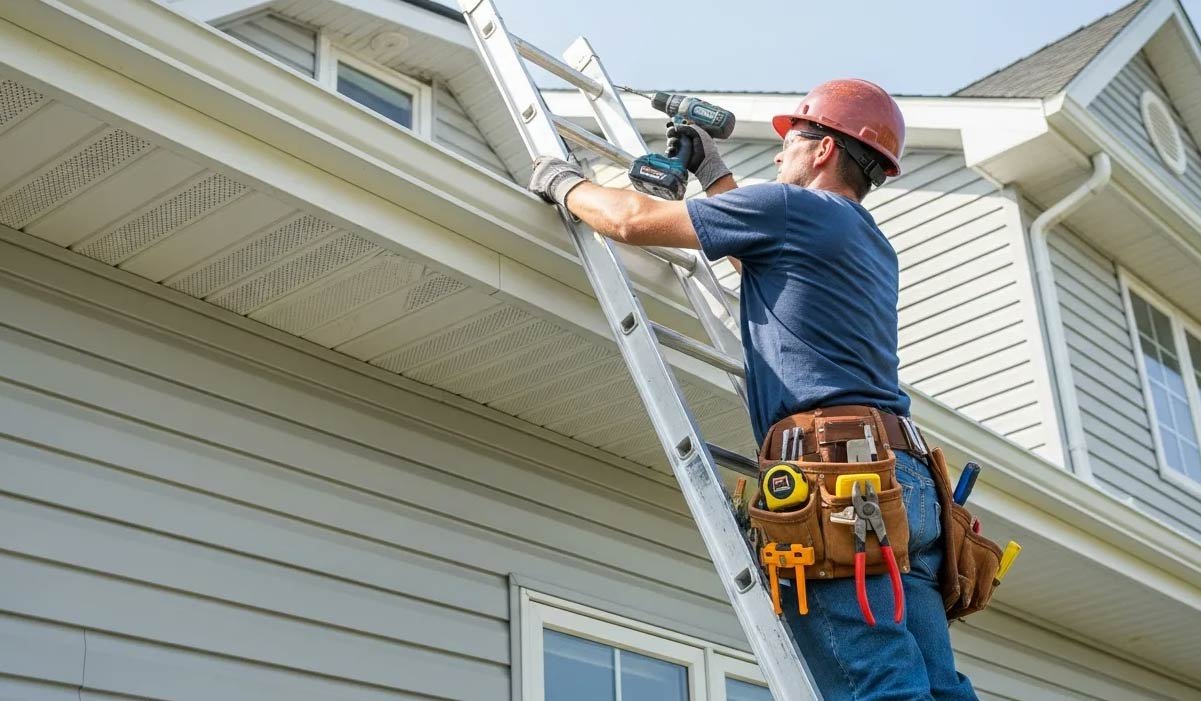
Maintaining the exterior of a property is essential for protecting its structure, improving its appearance, and preventing problems caused by moisture, pests, and changing weather conditions. While homeowners often focus on roofing, siding, gutters, and windows, soffits are another important component that deserves regular attention. Installed beneath the roof overhang, soffits help cover exposed roof rafters, support proper attic ventilation, and contribute to the overall appearance of a building. Over time, these materials can deteriorate because of moisture exposure, poor ventilation, pest activity, aging, and general environmental wear. Damaged soffits may create opportunities for insects and small animals to enter roof spaces while allowing moisture-related problems to develop. Professional soffit replacement provides an opportunity to restore the appearance and functionality of these important exterior components while helping protect the roofline and surrounding structures. Understanding the purpose of soffits, recognizing signs of damage, exploring available materials, and learning about the replacement process can help homeowners make informed decisions about maintaining their properties.
Understanding the Purpose of Soffits in a Roofing System
Soffits are the horizontal panels installed underneath the overhanging sections of a roof. They bridge the gap between the exterior wall and the edge of the roof, creating a finished appearance while covering exposed structural components. Although soffits are often considered decorative elements, they serve several important functions that contribute to the overall performance of a roofing system. One of their primary responsibilities is protecting exposed roof framing from environmental exposure, moisture, insects, and other potential sources of damage. By covering the underside of the roof overhang, soffits help create a protective barrier that supports the durability and appearance of the property’s exterior.
Another important function of soffits is ventilation. Many roofing systems use ventilated soffit panels to allow fresh outdoor air to enter the attic space. This incoming air can work alongside ridge vents or other exhaust ventilation systems to support continuous airflow beneath the roof. Proper attic ventilation helps regulate temperature and moisture levels, reducing the possibility of condensation and excessive heat buildup. Without adequate ventilation, trapped moisture may contribute to mold growth, wood deterioration, and damage to certain roofing materials. During warmer weather, insufficient airflow can also allow attic temperatures to rise significantly, potentially affecting indoor comfort and increasing the workload on cooling equipment.
Soffits also contribute to a property’s exterior appearance by creating a clean, finished transition between the walls and roofline. Available in different colors, textures, and materials, they can complement siding, fascia boards, gutters, and other architectural features. Well-maintained soffits help create a consistent exterior design while giving the roofline a more polished appearance. Because they serve both functional and visual purposes, maintaining their condition is an important part of responsible property maintenance.
Common Signs That Your Soffits Need Replacement
Recognizing soffit damage early can help prevent minor exterior problems from developing into more expensive structural repairs. One of the most noticeable warning signs is visible deterioration, including cracks, holes, peeling paint, sagging sections, and warped panels. These problems may occur gradually as soffit materials age or experience repeated exposure to moisture and temperature changes. Wooden soffits are particularly vulnerable to rot when water repeatedly enters damaged areas, while certain older panel materials may become brittle or lose their original appearance after prolonged environmental exposure. If several sections show similar signs of deterioration, a professional inspection can help determine whether localized repairs or complete replacement would provide a better long-term solution.
Water damage is another important indicator that soffits may require attention. Dark stains, discoloration, soft spots, and swollen materials can suggest that moisture has entered the soffit assembly. Water may originate from leaking gutters, damaged flashing, roof defects, or improper drainage around the roofline. In some situations, damaged soffits are symptoms of a larger roofing problem rather than the original source of the moisture. Replacing the visible panels without identifying the underlying cause may allow the damage to return. A thorough inspection should therefore examine nearby gutters, fascia boards, roof edges, and other components that could be contributing to the problem.
Pest activity can also indicate that soffits are no longer providing an effective protective barrier. Small holes, damaged panel edges, nesting materials, and unusual sounds near roof overhangs may suggest that birds, squirrels, insects, or other animals have entered the roof space. Once an opening develops, pests may use it as an entry point to access attic insulation and other building materials. Homeowners should address these openings promptly and arrange an inspection to determine whether the surrounding soffit structure has also been affected. Replacing damaged panels and securing vulnerable areas can help reduce the likelihood of recurring pest intrusion.
Understanding Different Soffit Materials
Choosing the right material is an important part of any soffit replacement project because different products offer different levels of durability, maintenance requirements, ventilation options, and visual appeal. Vinyl soffits are among the most popular choices because they are relatively affordable, lightweight, and resistant to moisture. Unlike untreated wood, vinyl does not rot or require regular painting. It is available in various colors and finishes, allowing homeowners to coordinate the soffits with their existing exterior design. Ventilated vinyl panels are also widely available, making them a practical option for roofing systems that require controlled attic airflow.
Aluminum soffits provide another durable solution for residential and commercial properties. They are lightweight, resistant to rust, and generally require limited maintenance. Aluminum panels can withstand many outdoor environmental conditions while maintaining their appearance over time. They are available in solid and ventilated configurations, allowing contractors to select suitable products according to the building’s ventilation requirements. Although aluminum may cost more than some basic vinyl options, its durability and resistance to deterioration can make it a valuable long-term investment.
Wood soffits remain an attractive choice for properties where a traditional or natural appearance is important. Wood offers a distinctive finish that can complement classic architectural styles, decorative rooflines, and natural exterior materials. However, wood requires more maintenance than vinyl or aluminum because it can absorb moisture, develop rot, and attract certain pests if it is not properly protected. Regular inspections, suitable paint or protective coatings, and timely repairs are essential for preserving wooden soffits. Fiber cement products may also be considered when homeowners want a durable material with a more substantial appearance. These products can offer resistance to moisture and pests, although their weight and installation requirements may involve additional considerations.
The Importance of Proper Soffit Ventilation
Ventilation is one of the most important factors to consider when maintaining or replacing soffits. A properly designed attic ventilation system helps outdoor air enter through designated intake openings and move through the attic before leaving through suitable exhaust vents. This airflow can help reduce excessive heat and moisture accumulation, supporting the overall condition of the roof structure. Ventilated soffits commonly provide the intake portion of this system, making them an important component of the building’s ventilation design.
When soffit ventilation is restricted or insufficient, warm and humid air may accumulate inside the attic. During colder periods, moisture from indoor activities can enter the attic and condense on cooler surfaces when ventilation and air sealing are inadequate. Over time, persistent moisture can contribute to mold growth, wood deterioration, and damage to insulation. In warmer conditions, poor airflow may allow attic temperatures to rise, potentially affecting energy efficiency and indoor comfort. Although ventilation alone cannot correct every moisture or temperature problem, it plays an important role in a properly designed roofing assembly.
Replacing soffits provides an opportunity to evaluate existing ventilation openings and determine whether the system is functioning as intended. Contractors should consider attic size, roof design, existing intake and exhaust ventilation, insulation placement, and applicable building requirements before selecting replacement panels. Simply installing additional vents without evaluating the complete system may create an imbalance or fail to address the actual problem. A professional assessment helps ensure that the new soffits support appropriate airflow while maintaining protection against insects, debris, and weather exposure.
How Professional Soffit Replacement Works
A successful replacement project begins with a detailed inspection of the existing soffits and surrounding roofline. Contractors examine the condition of the panels, fascia boards, roof edges, gutters, and exposed framing to identify visible damage and possible sources of moisture. They also determine whether the existing soffits are solid or ventilated and assess whether the current ventilation arrangement is suitable for the building. This initial evaluation helps establish the scope of work and identifies any additional repairs that may be necessary before new panels are installed.
After the inspection, the damaged soffit sections are carefully removed. This process requires attention because the panels may be connected to fascia boards, roof framing, or nearby exterior trim. Contractors should avoid damaging surrounding components while removing deteriorated materials. Once the old soffits have been removed, the exposed areas can be examined for hidden problems such as wood rot, moisture damage, pest activity, or weakened structural supports. Any underlying defects should be addressed before the replacement materials are installed. Covering damaged framing with new panels without correcting the original problem can lead to recurring deterioration and unnecessary future expenses.
The next stage involves measuring the installation area and preparing the replacement materials. Accurate measurements help ensure that the new panels fit properly and maintain a consistent appearance along the roofline. Contractors install the appropriate support channels, trim pieces, and fastening components according to the selected material and manufacturer’s instructions. The soffit panels are then positioned and secured while allowing for the expansion and contraction requirements of the material. Ventilated panels must also be arranged to provide the intended airflow without creating unnecessary openings for pests or debris. Once installation is complete, the contractor inspects the finished work to confirm that panels are secure, edges are properly finished, and the overall roofline has a clean appearance.
Benefits of Replacing Damaged Soffits
One of the most important benefits of soffit replacement is improved protection against moisture and pest intrusion. Damaged panels can leave openings beneath roof overhangs, allowing rainwater, insects, birds, and small animals to reach vulnerable areas. New, properly installed soffits help restore this protective barrier and reduce opportunities for unwanted entry. When combined with appropriate repairs to nearby fascia, gutters, and roof components, replacement can help maintain the condition of the building’s exterior structure.
Improved ventilation is another potential benefit, particularly when existing soffits are blocked, deteriorated, or incorrectly configured. Replacing unsuitable panels with appropriately designed ventilated products can help restore intake airflow when the overall attic ventilation system is properly balanced. Better airflow may support moisture management and help reduce excessive heat accumulation. However, the effectiveness of any ventilation improvement depends on the complete roofing assembly, including insulation, air sealing, and exhaust ventilation.
Aesthetic improvement is also an important advantage. Old or damaged soffits can make a property appear neglected, especially when they show discoloration, sagging, peeling paint, or visible deterioration. Fresh replacement panels create a cleaner and more consistent roofline that complements other exterior features. Choosing colors and finishes that coordinate with siding, fascia, and gutters can further improve the property’s appearance. For homeowners planning additional exterior improvements, soffit replacement can be incorporated into a broader maintenance project to create a more cohesive finish.
Factors to Consider When Choosing Replacement Soffits
Selecting replacement soffits requires more than choosing a material based on appearance or price. Homeowners should consider the building’s architectural style, environmental exposure, maintenance preferences, ventilation requirements, and available budget. A material that performs well on one property may not be the most suitable option for another. For example, vinyl may be a practical choice for homeowners seeking low-maintenance exterior materials, while aluminum may be preferred for its lightweight construction and resistance to rust. Wood may be more appropriate when maintaining a traditional architectural appearance is a priority.
Color and finish should also be considered because soffits are visible architectural elements that contribute to the property’s overall design. Many homeowners select colors that coordinate with fascia boards, gutters, siding, or window trim. Neutral shades can create a clean and understated appearance, while contrasting colors may help emphasize architectural details. The selected finish should also be appropriate for the material and expected environmental exposure to help maintain its appearance over time.
Ventilation requirements must remain a priority throughout the selection process. Solid soffit panels may be suitable in certain areas, while other sections may require ventilated products to support attic airflow. The correct combination depends on the building’s existing ventilation design and applicable construction standards. Homeowners should avoid replacing every section with an identical panel without first determining which areas require ventilation. Professional recommendations can help ensure that the selected materials meet both aesthetic and functional requirements.
How Soffit Damage Can Affect the Rest of Your Property
Soffit damage may appear relatively minor at first, but neglected problems can affect other parts of the building. When moisture enters through deteriorated panels, nearby wooden framing may gradually become weakened. Continued exposure can contribute to rot, mold growth, and deterioration of surrounding roof components. If the source of moisture is a leaking gutter or damaged roof edge, the problem may spread beyond the soffit itself. Addressing the underlying cause is therefore essential for preventing repeated repairs and protecting the overall roofing structure.
Pest intrusion is another concern associated with damaged soffits. Small openings beneath the roofline may allow animals and insects to enter attic spaces, where they can disturb insulation, damage electrical components, and create unsanitary conditions. Some pests may also enlarge existing openings as they attempt to establish nesting areas. Sealing damaged sections and replacing compromised panels can help restore the protective boundary between the outdoor environment and the building’s interior.
Poor ventilation can also influence the condition of attic materials and indoor comfort. Excessive heat and moisture accumulation may contribute to problems involving insulation, roof sheathing, and other structural components. Although soffits are only one part of the overall ventilation system, their condition can influence how effectively fresh air enters the attic. Maintaining the soffits and ensuring that the ventilation system is properly designed can support better long-term roof performance.
Cost Factors Involved in Soffit Replacement
The cost of a soffit replacement project depends on several factors, including the total area being replaced, selected materials, installation complexity, and the condition of the surrounding roofline. Replacing a small damaged section generally involves less labor and material than completing a full replacement around an entire property. Larger buildings, complicated roof designs, and multiple roof levels may also require additional time and specialized access equipment.
Material selection can significantly influence the overall budget. Basic vinyl panels are often among the more economical choices, while certain aluminum, fiber cement, and specialty wood products may involve higher material and installation expenses. Decorative finishes, custom dimensions, and specialized ventilation panels can also affect pricing. Homeowners should compare the long-term maintenance requirements of different materials rather than considering only the initial purchase cost.
Hidden damage can create additional expenses once existing soffits are removed. Contractors may discover deteriorated fascia boards, damaged roof framing, pest-related damage, or moisture problems that require attention before new panels can be installed. These repairs are important because installing replacement soffits over weakened or damaged components may compromise the quality of the finished project. Requesting a detailed written estimate can help homeowners understand the expected work, materials, labor, and possible additional charges before construction begins.
Common Mistakes to Avoid During Soffit Replacement
One common mistake is choosing replacement materials based entirely on price without evaluating their durability and suitability. Lower-cost products may appear attractive initially, but they may not provide the desired performance under the property’s environmental conditions. Homeowners should consider moisture resistance, maintenance requirements, ventilation options, and manufacturer recommendations before making a final selection. Choosing appropriate materials from the beginning can reduce the likelihood of premature deterioration and repeated replacement expenses.
Another mistake is overlooking the condition of nearby components. Soffits are closely connected to fascia boards, gutters, roof edges, and other exterior features. If these components are damaged, installing new soffits without correcting the underlying issues may allow water intrusion and deterioration to continue. A complete inspection should therefore examine the surrounding roofline rather than focusing only on the visibly damaged panels.
Incorrect ventilation is also a concern. Installing solid panels where intake ventilation is required may reduce airflow, while poorly designed openings can create opportunities for pests and debris to enter the attic. Contractors should evaluate the entire ventilation system before selecting the replacement products. Proper installation methods, suitable fastening techniques, and attention to material expansion requirements are equally important for achieving a stable and attractive finish.
Maintaining Your Soffits After Replacement
Regular maintenance helps preserve the condition and appearance of newly installed soffits. Homeowners should periodically inspect the roofline for visible cracks, loose panels, discoloration, water stains, and signs of pest activity. Checking the soffits during routine exterior maintenance allows small problems to be identified before they develop into more serious damage. Inspections are particularly important after severe weather or when nearby trees and vegetation create additional debris around the roofline.
Keeping gutters clean is another useful maintenance practice because overflowing gutters can allow water to run behind fascia boards and soffits. Leaves, branches, and other debris should be removed regularly to support proper drainage. Homeowners should also monitor the condition of roof flashing and nearby roofing materials because leaks originating above the soffits may eventually affect the panels and surrounding framing.
Cleaning requirements depend on the selected material. Vinyl and aluminum soffits can generally be maintained through gentle cleaning with suitable products, while wood soffits may require periodic painting, sealing, or protective treatments. Homeowners should follow manufacturer recommendations and avoid harsh cleaning methods that could damage finishes or protective coatings. If signs of moisture, pest intrusion, or structural deterioration appear, arranging a professional inspection can help determine the appropriate corrective action.
Choosing the Right Contractor for Soffit Replacement
Hiring an experienced contractor is essential for achieving a successful replacement project. Although soffits may appear to be simple exterior panels, their installation involves important considerations related to roof ventilation, moisture protection, material compatibility, and structural connections. A knowledgeable professional can assess the condition of the existing system, identify underlying problems, recommend suitable materials, and complete the installation according to appropriate construction practices.
Before selecting a contractor, homeowners should review previous projects, customer feedback, insurance coverage, relevant qualifications, and available warranties. Requesting a detailed written estimate can also help clarify the scope of work, materials, labor costs, preparation requirements, and expected completion schedule. Contractors should be willing to explain their recommendations and answer questions about ventilation, maintenance, and any additional repairs that may be required.
Clear communication is important throughout the project. A dependable installation team should explain the replacement process, discuss unexpected conditions, and provide updates as the work progresses. They should also inspect the completed installation to ensure that panels are properly secured, edges are finished correctly, and ventilation openings are unobstructed. Working with professionals who prioritize quality and attention to detail can help homeowners achieve a durable result while avoiding unnecessary complications.
Conclusion
Soffits play an important role in protecting the roofline, supporting attic ventilation, preventing pest intrusion, and maintaining the appearance of a property’s exterior. Although these components are sometimes overlooked during routine home maintenance, damaged or deteriorating soffits can contribute to moisture problems, structural deterioration, and unwanted pest activity when left unaddressed. Choosing suitable replacement materials, identifying the underlying causes of damage, and ensuring proper ventilation are essential steps toward maintaining a reliable roofing system. Professional workmanship also helps ensure that new panels are installed securely and complement the surrounding exterior features. Investing in professional soffit replacement is a practical way to restore the condition of the roofline, improve exterior appearance, and protect important structural components for years to come.
