

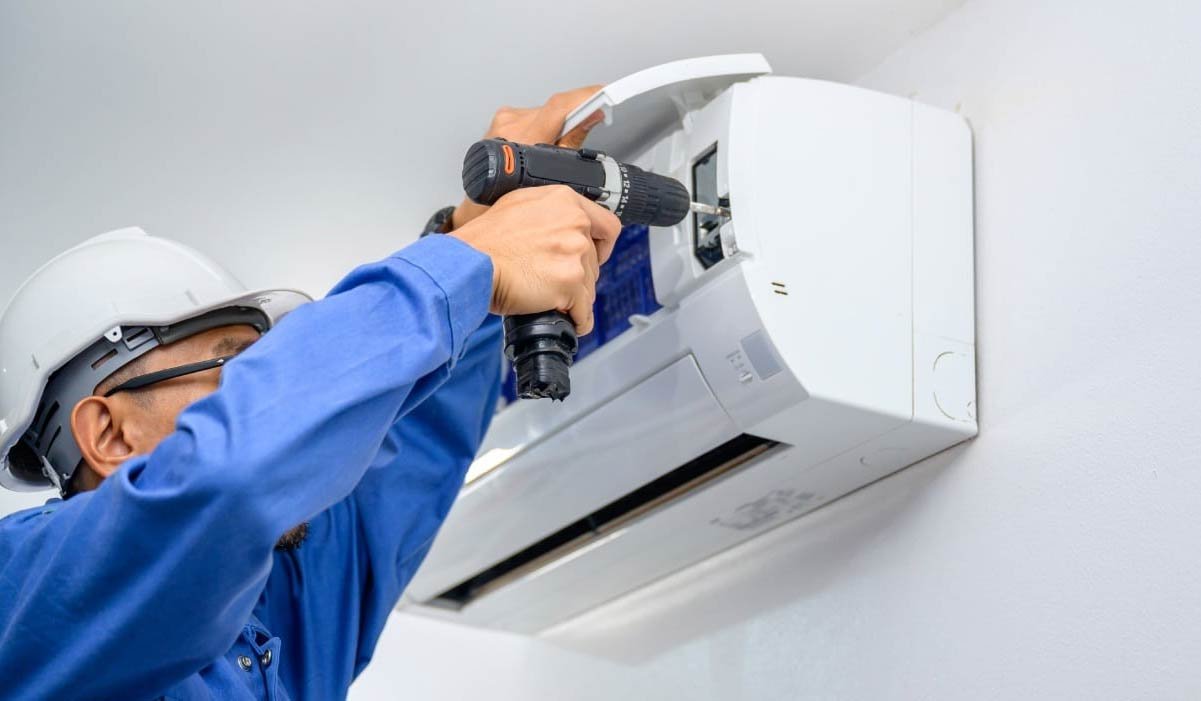
Maintaining a comfortable indoor environment is essential for residential and commercial properties, particularly when temperatures rise and indoor spaces become difficult to manage without proper cooling. An air conditioning system provides more than temporary relief from heat; it also helps regulate indoor temperatures, manage humidity, and improve overall comfort. However, getting the best performance from an air conditioner depends on more than purchasing a suitable unit. Proper equipment selection, accurate measurements, professional installation, and regular maintenance all play important roles in ensuring reliable operation and energy efficiency. A poorly installed system may experience airflow restrictions, refrigerant problems, uneven cooling, frequent breakdowns, and unnecessarily high electricity consumption. Professional AC installation helps address these concerns by ensuring that the cooling equipment is selected and configured according to the property’s requirements. Understanding the different types of air conditioning systems, installation procedures, common mistakes, and maintenance practices can help property owners make informed decisions and enjoy dependable indoor comfort throughout the year.
Understanding the Importance of Professional Air Conditioning Installation
Installing an air conditioning system correctly is essential for achieving consistent cooling and dependable long-term performance. Every property has different cooling requirements based on its size, layout, insulation, window placement, ceiling height, occupancy, and exposure to sunlight. Choosing equipment without considering these factors can result in an undersized or oversized system. An undersized unit may struggle to maintain comfortable temperatures during hot weather, while an oversized system may cool the space too quickly without operating long enough to manage indoor humidity effectively. Professional installers evaluate these conditions before recommending suitable equipment, helping property owners select a system that matches their actual cooling needs.
Correct installation also influences the efficiency of the air conditioning equipment. Refrigerant connections, electrical wiring, drainage arrangements, airflow, and equipment positioning must all meet the manufacturer’s specifications. Even relatively small installation errors can affect system performance and increase operating costs over time. Poorly sealed connections may cause refrigerant leakage, while restricted airflow can place unnecessary strain on important components. Professional installation helps reduce these risks by following appropriate procedures and checking the system before it is placed into regular operation.
Another important benefit is safety. Air conditioning equipment involves electrical connections, refrigerants, drainage systems, and mechanical components that require appropriate technical knowledge. Incorrect wiring or improper handling of refrigerants can create safety concerns and damage expensive equipment. Qualified technicians understand the relevant installation requirements and use suitable tools to complete the work correctly. Their experience also helps identify potential problems before they affect the system’s performance.
Different Types of Air Conditioning Systems
Understanding the available air conditioning options is an important first step when planning a new cooling system. Different systems are designed for different property layouts, cooling requirements, and installation conditions. Split air conditioners are among the most common choices for residential properties because they provide effective cooling for individual rooms or designated spaces. These systems typically consist of an indoor unit that distributes conditioned air and an outdoor unit that releases heat. The two components are connected through refrigerant piping and electrical connections. Split systems are available in different capacities and designs, making them suitable for bedrooms, living rooms, offices, and other enclosed spaces.
Central air conditioning systems are generally designed for properties that require cooling throughout multiple rooms or larger interior areas. They distribute conditioned air through a network of ducts connected to a central cooling unit. This arrangement can provide consistent temperature control across different sections of a building when the ductwork is properly designed and balanced. Central systems are often suitable for larger homes, commercial facilities, and buildings with existing duct infrastructure. However, installation may involve more extensive planning, particularly when new ducts, return-air pathways, or equipment spaces are required.
Ductless mini-split systems provide another flexible option for properties that do not have existing ductwork. They use individual indoor units connected to an outdoor condenser, allowing different rooms or zones to receive independent temperature control. Multi-zone configurations can connect several indoor units to a single outdoor unit, depending on the equipment specifications. Window air conditioners and portable cooling units may also be suitable for smaller spaces or temporary applications, although they generally offer different performance characteristics compared with professionally installed split and central systems.
Choosing the Right Air Conditioner for Your Property
Selecting the correct air conditioning unit is one of the most important decisions in any cooling project. Equipment capacity is usually measured in British thermal units per hour, commonly referred to as BTUs. This measurement indicates how much heat an air conditioner can remove from an indoor space over a specific period. The required capacity depends on several factors, including room dimensions, insulation quality, window size, ceiling height, sunlight exposure, and the number of people regularly occupying the space. Simply choosing a unit based on room size may not provide an accurate assessment because other environmental conditions can significantly influence cooling requirements.
Energy efficiency should also be considered when comparing different air conditioning models. Manufacturers provide efficiency ratings that help consumers understand how effectively a system uses electricity to deliver cooling. Depending on the market and equipment type, these ratings may include SEER2, EER2, or other recognized performance measurements. Higher-efficiency equipment may have a greater purchase price, but it can help reduce electricity consumption over time when properly selected and installed. Property owners should compare the equipment’s performance ratings, operating requirements, warranty coverage, and expected usage before making a final decision.
Additional features can improve convenience and temperature management. Programmable thermostats allow users to establish cooling schedules, while smart controls may provide remote access through compatible devices. Variable-speed compressors and advanced fan controls can help adjust system operation according to changing cooling demands. Air filtration options may also support indoor air quality by capturing certain airborne particles. However, the best features depend on individual requirements, and homeowners should prioritize reliable performance and suitable capacity rather than paying for unnecessary functions.
The AC Installation Process Explained
A successful installation begins with an assessment of the property and the areas that require cooling. Technicians evaluate the room layout, available installation locations, electrical supply, ventilation conditions, and possible drainage routes. For larger or more complex buildings, a professional cooling-load calculation may be required to determine the appropriate equipment capacity. This assessment helps identify the most suitable system type and prevents common problems associated with incorrect equipment selection.
Once the equipment has been selected, the installer determines suitable locations for the indoor and outdoor units. The indoor unit should be positioned where conditioned air can circulate effectively without being obstructed by furniture, walls, or other objects. Its location should also allow convenient access for filter cleaning and routine servicing. The outdoor unit requires a stable mounting surface with adequate clearance for airflow and maintenance access. It should be positioned according to manufacturer requirements while avoiding unnecessary exposure to obstructions and conditions that could affect performance.
The next stage involves preparing the necessary connections between the indoor and outdoor components. Refrigerant piping, electrical wiring, communication cables, and condensate drainage arrangements must be installed according to the equipment specifications and applicable safety requirements. Proper insulation around refrigerant lines helps reduce unwanted heat transfer and condensation. Drainage connections must also be arranged carefully to prevent water leakage inside the property. Once the connections are complete, qualified technicians perform the required system checks, verify refrigerant-related conditions, and test the equipment to confirm that it operates correctly.
Selecting the Best Location for Indoor and Outdoor Units
The placement of indoor and outdoor units can significantly influence cooling performance, energy consumption, and maintenance convenience. Indoor units should generally be positioned to distribute conditioned air evenly throughout the room. Installing an air conditioner in a location where airflow is blocked by large furniture, curtains, or structural features can reduce cooling effectiveness. The unit should also be placed at a suitable height and distance from ceilings and walls according to the manufacturer’s installation requirements. Proper positioning helps prevent uneven temperatures and allows the air conditioning system to operate more effectively.
Outdoor units require sufficient clearance to release heat efficiently. Placing a condenser in a tightly enclosed area or directly against an obstruction can restrict airflow and increase operating temperatures. The unit should be installed on a stable, level base that minimizes vibration and supports reliable operation. Proper positioning also helps protect the equipment from accidental physical damage and makes future maintenance easier. Installers should consider noise levels, nearby windows, service access, and the manufacturer’s clearance recommendations when selecting the final location.
Environmental exposure is another important consideration. Outdoor units are designed to withstand normal weather conditions, but unnecessary exposure to debris, excessive dust, and restricted airflow can affect their performance. Suitable positioning and regular cleaning help maintain efficient heat exchange. Property owners should avoid placing objects directly around the condenser and should ensure that vegetation does not block the equipment’s ventilation openings.
Electrical Requirements and Safety Considerations
Electrical safety is an essential part of any air conditioning project. Cooling systems require an appropriate electrical supply that matches the manufacturer’s voltage, current, and circuit specifications. Incorrect wiring, unsuitable circuit protection, and overloaded electrical connections can damage equipment and create serious safety risks. Before installation begins, a qualified professional should evaluate the available electrical supply and determine whether any improvements are necessary.
Dedicated electrical circuits may be required depending on the air conditioner’s capacity and installation specifications. Appropriate circuit breakers, wiring sizes, grounding arrangements, and disconnecting devices should be selected according to applicable electrical standards. These components help protect the equipment and reduce the risk of electrical faults. Technicians should also inspect existing electrical connections when replacing an older system because outdated or damaged wiring may not be suitable for the new equipment.
Refrigerant handling requires specialized knowledge and appropriate equipment. Modern air conditioners use refrigerants that must be managed according to manufacturer instructions and applicable environmental regulations. Incorrect charging, poor connections, or refrigerant leakage can reduce cooling performance and damage system components. Qualified technicians should follow the required procedures when checking refrigerant conditions and completing the installation. Property owners should avoid attempting technical electrical or refrigerant work without the necessary qualifications.
Benefits of Installing an Energy-Efficient AC System
Energy-efficient air conditioning equipment can provide meaningful long-term benefits for property owners. Cooling systems often account for a significant portion of electricity consumption in buildings, especially when they operate for extended periods during warmer weather. Selecting equipment with suitable efficiency ratings can help reduce the amount of electricity required to maintain comfortable indoor temperatures. Although the initial purchase price may be higher for certain efficient models, lower operating costs can help improve overall value throughout the equipment’s service life.
Modern air conditioners may also include technologies designed to adjust cooling output according to changing indoor conditions. Inverter systems, for example, can vary compressor speed rather than relying entirely on repeated full-capacity operation. This can help maintain more consistent temperatures and reduce unnecessary energy use under suitable operating conditions. Variable fan speeds and programmable controls can provide additional flexibility by allowing users to adjust operation according to occupancy and daily schedules.
Proper installation is equally important for achieving the advertised efficiency of an air conditioning system. Incorrect equipment sizing, restricted airflow, poorly insulated refrigerant lines, and unsuitable installation locations can all reduce performance. Regular maintenance also helps maintain efficiency by keeping filters, coils, and other components clean. Combining appropriate equipment selection with professional installation and responsible operation can help property owners manage electricity costs while maintaining comfortable indoor conditions.
Common AC Installation Mistakes to Avoid
One of the most common mistakes is selecting an air conditioner based entirely on price or advertised capacity without evaluating the property’s cooling requirements. An undersized unit may run continuously during hot weather without reaching the desired temperature, while an oversized system may experience frequent cycling and inadequate humidity control. Both situations can affect comfort, equipment performance, and operating expenses. A proper cooling-load assessment helps determine the capacity needed for the specific space.
Another mistake is choosing an unsuitable installation location. An indoor unit positioned where airflow is obstructed may produce uneven cooling, while an outdoor condenser placed in a restricted area may struggle to release heat. Incorrect drainage arrangements can also lead to water leakage and damage to walls, ceilings, or flooring. These problems can often be avoided through careful planning and compliance with manufacturer installation instructions.
Poor-quality refrigerant and electrical connections are additional concerns. Loose connections, improper insulation, incorrect wiring, and inadequate system testing can create problems that may not become obvious immediately. Hiring an inexperienced installer simply because the quotation is inexpensive can lead to costly repairs later. Property owners should prioritize technical experience, appropriate qualifications, transparent pricing, and reliable workmanship when selecting an installation provider.
Understanding the Cost of AC Installation
The overall cost of installing an air conditioning system depends on several factors, including equipment capacity, system type, brand, energy efficiency, installation complexity, and required accessories. A basic split system may involve fewer installation requirements than a central cooling system that requires extensive ductwork and additional equipment. Larger properties and buildings with complicated layouts may also require more planning, materials, and labor.
Existing infrastructure can influence the total project budget. If electrical circuits require upgrades, drainage arrangements need modification, or new mounting supports are necessary, additional work may be required. The distance between indoor and outdoor units can also affect refrigerant piping and installation expenses. Properties without suitable access for outdoor equipment may require additional planning or specialized mounting arrangements.
Property owners should request a detailed written quotation before approving the work. The estimate should identify equipment specifications, installation labor, piping, electrical connections, mounting materials, drainage components, and any additional services included in the project. Comparing several proposals can help identify a suitable option, but the lowest price should not be the only consideration. Warranty coverage, equipment quality, installer experience, and long-term operating costs are equally important when evaluating overall value.
Why Professional AC Installation Matters
Professional installation helps ensure that an air conditioning system is configured according to its technical requirements and the needs of the property. Experienced technicians understand how to evaluate cooling capacity, position equipment, prepare refrigerant connections, and establish suitable drainage and electrical arrangements. Their knowledge can help prevent installation errors that may reduce efficiency or shorten equipment life.
A qualified installer also understands the importance of testing the completed system. Depending on the equipment and manufacturer’s procedures, this may include checking electrical operation, airflow, condensate drainage, refrigerant-related measurements, operating temperatures, and system controls. These checks help confirm that the equipment is functioning as expected before it is placed into regular use. Identifying problems during installation is generally easier and less expensive than correcting them after the system has been operating for an extended period.
Professional services may also provide access to manufacturer-approved installation procedures and warranty requirements. Some equipment warranties depend on proper installation and documented servicing. Homeowners should ask the contractor about warranty conditions, service availability, and recommended maintenance schedules before completing the purchase. Working with a qualified professional provides greater confidence that the system has been installed with attention to safety, efficiency, and reliability.
Essential Maintenance Tips After AC Installation
Regular maintenance is necessary to keep an air conditioning system operating efficiently after installation. One of the simplest maintenance tasks is cleaning or replacing air filters according to the manufacturer’s recommendations. Filters collect dust, lint, and other airborne particles as air passes through the system. When they become excessively dirty, airflow can decrease, forcing the equipment to work harder to circulate conditioned air. Keeping filters clean supports efficient operation and can also improve indoor air quality.
Outdoor condenser coils should also remain free from excessive dirt, leaves, and debris. Restricted airflow around the outdoor unit can reduce its ability to release heat, potentially increasing operating temperatures and electricity consumption. Property owners should maintain adequate clearance around the equipment and arrange professional cleaning when necessary. Indoor evaporator coils, condensate drains, and other internal components should be inspected during routine servicing to identify developing problems.
Professional maintenance can help detect issues that may not be visible during ordinary household inspections. Technicians can examine electrical connections, inspect refrigerant-related conditions, verify drainage, and evaluate overall system performance. Addressing unusual noises, weak airflow, water leakage, or inconsistent cooling promptly can help prevent minor problems from developing into expensive repairs. A consistent maintenance schedule supports dependable operation and helps extend the useful life of the equipment.
Improving Indoor Comfort and Air Quality
An air conditioning system can contribute to a more comfortable indoor environment by maintaining suitable temperatures and helping manage humidity. Excessive indoor humidity can make rooms feel warmer and may contribute to condensation and moisture-related concerns. A properly sized and maintained air conditioner removes some moisture from the air during normal cooling operation, helping improve comfort. However, dedicated dehumidification equipment may be necessary in buildings with unusually high moisture levels.
Air filtration is another factor that influences indoor conditions. Standard air conditioner filters are primarily designed to protect system components by capturing certain airborne particles. Higher-performance filtration options may be available, depending on the equipment and system design. Property owners should select compatible filters that provide appropriate filtration without creating excessive airflow resistance. Maintaining clean filters and ensuring proper airflow can support both cooling performance and general indoor air quality.
Thermostat placement and settings also influence comfort. A thermostat installed near direct sunlight, heat-producing appliances, or strong drafts may provide inaccurate temperature readings. This can cause the system to operate unnecessarily or fail to maintain consistent temperatures. Positioning controls according to manufacturer recommendations and using reasonable temperature settings can help improve comfort while supporting efficient operation.
Choosing the Right AC Installation Contractor
Selecting a dependable installation contractor is an important step toward achieving reliable cooling performance. Property owners should look for technicians with relevant training, practical installation experience, appropriate licensing where required, and a clear understanding of different air conditioning systems. An experienced contractor should be able to assess the property, recommend suitable equipment, explain installation requirements, and provide a realistic project estimate.
Before hiring a service provider, homeowners should review customer feedback, previous projects, insurance coverage, and warranty arrangements. It is also helpful to ask whether the contractor performs cooling-load calculations, follows manufacturer installation instructions, and tests equipment after installation. A professional company should be willing to explain its recommendations rather than simply suggesting the most expensive available unit.
Clear communication is essential throughout the installation process. Contractors should discuss equipment placement, expected installation time, potential electrical or drainage requirements, and any additional work that may be necessary. They should also explain basic system operation and provide guidance about filter cleaning and routine servicing. Choosing a contractor who values quality workmanship and customer communication can help make the project more convenient and reduce the likelihood of future problems.
Conclusion
A properly installed air conditioning system provides more than temperature control; it contributes to indoor comfort, humidity management, and a better overall living or working environment. Selecting suitable equipment, evaluating cooling requirements, planning unit placement, and ensuring correct electrical and refrigerant connections are all essential parts of a successful installation project. Professional workmanship also helps prevent common problems such as poor airflow, drainage leaks, inefficient operation, and premature equipment failure. Once the system is installed, regular cleaning and scheduled maintenance can support consistent performance and extend its useful life. Investing in professional ac installation is a practical decision for property owners who want dependable cooling, improved energy efficiency, and long-term comfort from their air conditioning equipment.
