

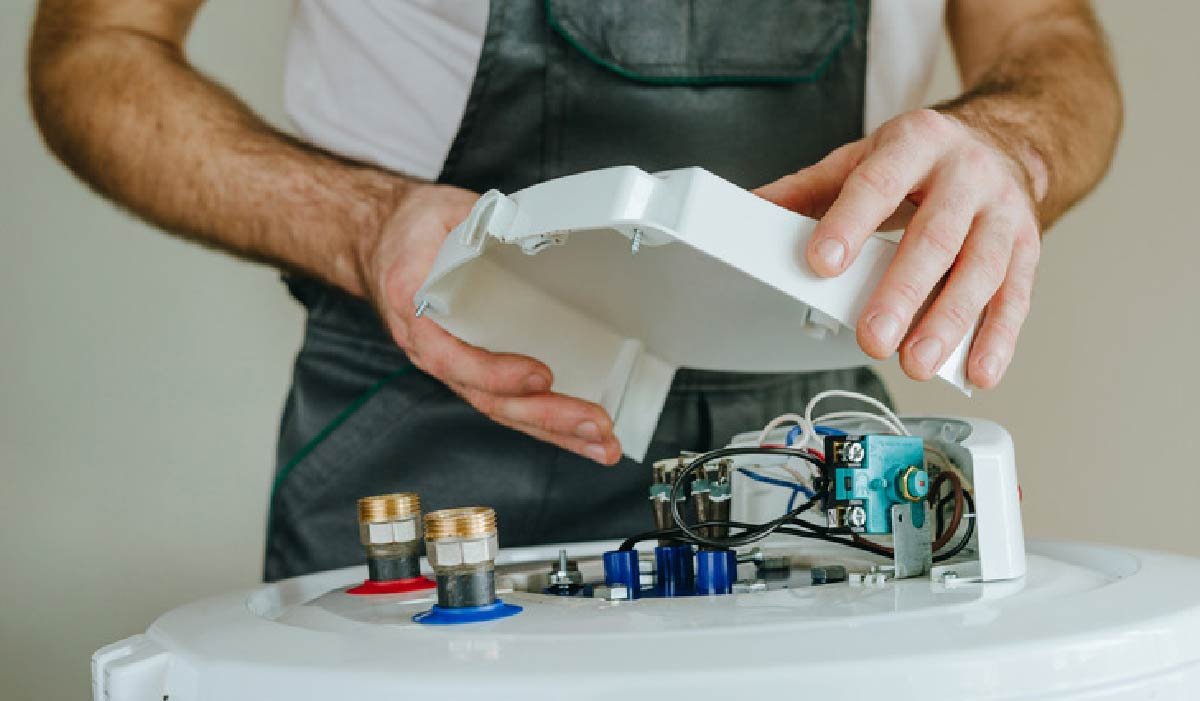
Having access to hot water is an essential part of maintaining comfort and convenience in residential and commercial properties. From taking showers and washing dishes to cleaning clothes and completing everyday household tasks, a dependable water heating system plays an important role in daily routines. However, water heaters do not last forever. Over time, regular use, mineral deposits, corrosion, aging components, and mechanical problems can reduce their efficiency and affect their ability to provide consistent hot water. When repairs become frequent or the system no longer operates reliably, replacing the existing unit may be a practical long-term solution.
Choosing the right replacement system requires more than purchasing a new appliance. Property owners need to consider household hot water requirements, energy efficiency, installation space, fuel type, operating costs, and the condition of existing plumbing connections. Different water heater models offer different advantages, making it important to select an option that matches the property’s needs. Traditional storage water heaters remain popular because they provide a ready supply of heated water, while tankless models offer on-demand heating and can save space.
Professional installation is equally important because water heaters involve plumbing connections, electrical components, gas supplies, temperature controls, and safety devices. Incorrect installation can create operational problems and potentially dangerous conditions. Understanding the replacement process, available equipment, warning signs, and maintenance requirements can help homeowners make informed decisions. With the right equipment and qualified installation, a new water heater can provide dependable hot water, improve energy performance, and support everyday comfort for many years.
Understanding When a Water Heater Needs Replacement
Water heaters usually provide reliable service for several years, but their performance can gradually decline as internal components experience wear. Recognizing early warning signs can help homeowners avoid unexpected breakdowns and expensive water damage.
One common indication is inconsistent water temperature. If the water frequently becomes cold during normal use or takes much longer to heat, the heating elements, thermostat, burner, or other internal components may be experiencing problems.
Unusual noises are another warning sign. Popping, rumbling, or banging sounds may occur when sediment accumulates inside the storage tank. As minerals settle at the bottom, the heating process can become less efficient and place additional stress on the equipment.
Visible corrosion around the tank, water connections, or fittings should also be taken seriously. Rust-colored hot water may indicate internal corrosion or problems elsewhere in the plumbing system.
Leaks are particularly important because even a small amount of water around the unit can indicate a failing connection, pressure-related issue, or damaged tank. A leaking storage tank generally cannot be permanently repaired and often requires replacement.
Age is another factor to consider. Many conventional storage water heaters have an expected service life of approximately 8 to 12 years, although actual longevity depends on water quality, maintenance, installation, and equipment design. Tankless systems may last longer when properly maintained.When several warning signs appear together, a professional inspection can help determine whether repair or replacement is the more suitable option.
Common Types of Water Heaters Available for Replacement
Selecting the right replacement system starts with understanding the available technologies. Each type offers different advantages in terms of installation requirements, energy consumption, operating costs, and hot water availability.
Traditional Storage Tank Water Heaters
Storage tank water heaters are among the most widely used systems in residential properties. They heat water inside an insulated tank and keep it available until it is needed.
These units are available in different capacities to accommodate individual apartments, smaller households, and larger families. Electric and gas-powered models are commonly available, depending on the property’s utility connections.One advantage of storage systems is that they provide a ready supply of hot water for everyday activities. However, once the stored hot water is depleted, the unit needs time to heat another supply.
The tank also requires sufficient installation space and periodic maintenance to manage sediment accumulation and corrosion.
Tankless Water Heaters
Tankless water heaters heat water as it passes through the unit instead of storing it in a large tank. When a hot water fixture is activated, the system heats the incoming water according to its capacity and temperature requirements.
Because these units do not maintain a large volume of stored hot water, they can reduce standby heat loss compared with conventional storage systems.Their compact design makes them useful for properties with limited installation space. However, their ability to supply hot water depends on the unit’s flow rate and heating capacity.
Larger households may require a higher-capacity model or multiple units to support several fixtures operating simultaneously.Tankless systems can also require modifications to existing gas lines, electrical connections, or venting arrangements. Professional assessment is important before selecting this option.
Electric Water Heaters
Electric water heaters use heating elements to raise the temperature of water inside a storage tank or through an appropriate tankless design.They are commonly selected in properties where a suitable gas connection is unavailable or where electric operation is preferred.
Electric models generally have straightforward operating arrangements, although their energy consumption depends on equipment efficiency, household usage, electricity prices, and temperature settings.Before choosing an electric replacement, the property’s electrical supply should be evaluated to confirm that it can safely support the required equipment.
Gas Water Heaters
Gas water heaters use natural gas or propane to heat water. They are available in both storage tank and tankless configurations.Depending on local utility prices and equipment efficiency, gas models may offer lower operating expenses than certain electric alternatives.
However, installation requires appropriate gas connections, ventilation, and combustion safety arrangements.Gas water heaters should always be installed and inspected by qualified professionals. Proper venting and combustion performance are essential because improperly operating equipment can create carbon monoxide hazards.
Heat Pump Water Heaters
Heat pump water heaters use electricity to move heat from the surrounding air into the water rather than generating all the heat directly through conventional electric resistance elements.These systems can be significantly more energy-efficient than standard electric storage heaters under suitable operating conditions.
They generally require adequate surrounding air space and may produce cooling and noise during operation.Their performance depends on the installation environment, household demand, and local climate conditions.
Benefits of Replacing an Old Water Heater
Upgrading an outdated water heater can provide several practical advantages, particularly when the existing unit has become unreliable or inefficient.
Improved Energy Efficiency
Older water heaters may consume more energy because of deteriorating insulation, sediment buildup, aging components, or outdated heating technology.Modern systems often include improved insulation, more efficient heating components, and better temperature controls.
Replacing an inefficient unit can help reduce unnecessary energy consumption, although actual savings depend on the replacement model, household usage, and utility costs.
More Consistent Hot Water
A properly sized replacement system can provide a more dependable supply of hot water.This is particularly important for larger households where multiple people use showers, sinks, and appliances throughout the day.
Selecting the appropriate tank capacity or tankless flow rate helps ensure that the system matches the property’s actual requirements.
Reduced Risk of Water Damage
Older storage tanks can develop corrosion and leaks as their internal protective components deteriorate.Replacing a severely aged unit before a major failure occurs can help reduce the possibility of unexpected flooding and property damage.
Professional installation also provides an opportunity to inspect nearby plumbing connections, shutoff valves, and drainage arrangements.
Better Temperature Control
Newer water heaters may offer improved thermostats and temperature management features.These controls help maintain more consistent water temperatures and can provide additional convenience for households with varying hot water requirements.
Lower Maintenance Concerns
A replacement unit can reduce the need for repeated repairs associated with an aging system.Although all water heaters require appropriate maintenance, starting with a new system can provide more predictable performance and warranty protection.
The Professional Water Heater Replacement Process
Replacing a water heater involves several technical steps. Professional installation helps ensure that the equipment is compatible with the property and operates according to manufacturer specifications.
Initial Inspection and Assessment
The process begins with evaluating the existing water heater and surrounding installation area.A technician examines the current unit, plumbing connections, available space, electrical supply or gas connection, ventilation arrangements, and drainage requirements.
The inspection also helps identify potential problems that may need attention before a replacement can be installed.
Selecting the Appropriate Replacement Unit
Once the property’s requirements have been evaluated, the technician can recommend suitable replacement options.The selection generally considers household size, expected hot water demand, fuel availability, energy efficiency, installation dimensions, and budget.
Choosing the correct capacity is important because an undersized system may struggle to meet demand, while an unnecessarily large unit may increase purchase and operating costs.
Removing the Existing Water Heater
Before removal, the existing unit must be safely isolated from its energy source and water supply.The tank is drained using the appropriate procedures, and its connections are disconnected by a qualified professional.
Older equipment may be heavy, particularly when it contains accumulated sediment or cannot be completely drained.The removal process should also account for nearby flooring, walls, and other property features to prevent unnecessary damage.
Preparing the Installation Area
After removing the old equipment, technicians inspect the installation area.They may check the condition of the plumbing connections, supporting surface, shutoff valves, electrical supply, gas connections, and required safety components.Any necessary improvements should be completed before the replacement system is installed.
Installing the New Water Heater
The replacement unit is positioned according to the manufacturer’s requirements and connected to the appropriate water supply and energy source.Depending on the system, installation may involve hot and cold water connections, electrical wiring, gas piping, venting, expansion control, temperature and pressure relief arrangements, and drainage provisions.
The exact requirements vary according to the water heater type and applicable building codes.These connections should only be completed by appropriately qualified professionals.
Testing and Final Inspection
Once installation is complete, the technician checks the system for leaks, correct operation, temperature control, and other required safety features.Gas-powered units require appropriate combustion and venting checks, while electric systems require suitable electrical safety verification.
The homeowner should also receive instructions about normal operation, temperature settings, maintenance, and warranty information.
Choosing the Correct Water Heater Size
Selecting the correct capacity is one of the most important decisions when replacing an existing system.
A water heater that is too small may run out of hot water during busy periods. An oversized system may cost more than necessary and could consume additional energy depending on its design and usage.Storage tank systems are generally selected according to the amount of hot water needed during the busiest usage period.
For example, a household with several bathrooms and frequent simultaneous showers may need a larger tank than a small household with limited hot water demand.Tankless systems are selected according to their required flow rate and the temperature increase needed to heat incoming water.
Property owners should consider:Number of household members.Number of bathrooms and hot water fixtures.Frequency of showers and bathing.Simultaneous use of appliances.Incoming water temperature.Available energy supply.Available installation space.
A professional assessment helps determine the most appropriate capacity and avoid unnecessary equipment expenses.
Important Factors to Consider Before Replacing a Water Heater
Before purchasing a replacement unit, homeowners should compare more than the initial price. Several factors influence the long-term suitability of a water heating system.
The available energy supply often determines which replacement options are practical.Some properties have natural gas connections, while others rely primarily on electricity or propane.The cost and availability of these energy sources should be considered when comparing operating expenses.
Energy efficiency information helps consumers compare the performance of different models.In the United States, the Department of Energy provides guidance on water heater efficiency and applicable energy standards.Homeowners should review manufacturer specifications and relevant efficiency ratings when evaluating replacement options.
Different systems have different space requirements.Storage tanks need sufficient floor space and appropriate access for servicing, while tankless systems may be mounted on suitable walls.Gas-powered systems also require appropriate combustion air and exhaust ventilation.
A manufacturer’s warranty can provide important protection against certain equipment defects.Before purchasing a unit, homeowners should review the coverage period, including components, exclusions, and requirements for professional installation.
Hard water contains dissolved minerals that can accumulate inside storage tanks and heating components.Properties with hard water may benefit from appropriate maintenance practices or suitable water treatment equipment.A professional can help determine whether additional water quality measures are necessary.
Common Water Heater Problems That May Require Replacement
Not every water heater problem requires a complete replacement. However, some issues indicate that the existing unit may be approaching the end of its useful life.
A leaking tank is one of the clearest reasons to consider replacement. Corrosion can damage the tank structure and allow water to escape.
Although certain external plumbing leaks may be repairable, a severely corroded tank generally needs to be replaced.If the water heater cannot provide enough hot water for normal household activities, the problem may involve a failing heating element, thermostat, burner, or an incorrectly sized unit.A technician should diagnose the issue before recommending replacement.
Rust-colored hot water may indicate corrosion inside the storage tank or deterioration in the plumbing system.
The source should be investigated because the problem may not always originate in the water heater itself.Popping and rumbling sounds may indicate mineral deposits accumulating inside the tank.Sediment can interfere with heating efficiency and contribute to premature equipment wear.When an older unit repeatedly requires expensive repairs, replacing it may offer better long-term value.
Comparing the cost of repairs with the price and expected service life of a new system can help determine the most economical option.
Water Heater Replacement for Residential and Commercial Properties
Water heating requirements differ between residential and commercial environments.
Homes generally require water heaters that support everyday activities such as showering, cooking, laundry, and cleaning.The most suitable system depends on household size, available utilities, and expected usage patterns.
Homeowners may prioritize quiet operation, energy efficiency, compact design, and dependable temperature control.Commercial properties may require larger or more specialized systems because of their higher hot water demand.
Restaurants, hotels, gyms, healthcare facilities, and apartment buildings often require equipment capable of supplying multiple fixtures and users.Commercial systems may involve larger storage capacities, multiple heating units, circulation arrangements, and more complex controls.Professional assessment is especially important because equipment selection must account for peak demand, operational schedules, and applicable commercial requirements.
Understanding the Cost of Water Heater Replacement
The overall cost of replacing a water heater depends on several factors, including equipment type, capacity, fuel source, installation complexity, and additional materials.
A conventional storage water heater may have a different purchase and installation cost from a tankless or heat pump model.Other expenses may include removing the old unit, upgrading plumbing connections, modifying electrical circuits, adjusting gas piping, improving ventilation, or installing additional safety components.
Labor costs can also vary depending on accessibility and the amount of work required.
Homeowners should request a written estimate that clearly explains:The replacement unit’s brand, model, and capacity.Equipment purchase price.Removal and disposal of the existing system.Installation labor.Plumbing and electrical modifications.Gas connection and ventilation work, where applicable.Required safety components.Warranty and maintenance coverage.
Comparing detailed estimates makes it easier to understand the total investment and avoid unexpected charges.
Tips for Maintaining a New Water Heater
After installing a replacement system, regular maintenance can help preserve its efficiency and extend its service life.
One important task is following the manufacturer’s recommended maintenance schedule. Storage tank systems may require periodic flushing to manage sediment buildup, depending on water quality and equipment design.The temperature setting should be maintained at an appropriate level that balances household needs and scald prevention. Many manufacturers recommend approximately 120 degrees Fahrenheit for typical residential use, although individual circumstances may require professional guidance.Homeowners should also monitor the area around the unit for signs of moisture, corrosion, or leaking connections.
Temperature and pressure relief valves should be inspected according to manufacturer instructions and applicable safety requirements. These are critical safety components and should not be blocked or improperly modified.
Tankless systems may require periodic descaling, particularly in areas with hard water. Filters and other components should also be maintained according to the manufacturer’s recommendations.Any unusual noises, inconsistent temperatures, or signs of leakage should be investigated promptly.
Choosing a Reliable Water Heater Replacement Company
Selecting a qualified installation company is essential for ensuring that a new water heater operates safely and efficiently.
Homeowners should look for providers with relevant plumbing experience, appropriate licensing, insurance, and familiarity with different water heating technologies.A dependable company should inspect the existing system before recommending a replacement. It should also explain available options, installation requirements, estimated costs, and warranty conditions.
Customer reviews and references can provide useful information about workmanship, punctuality, communication, and after-installation support.It is also important to ask whether the company handles removal of the old equipment and provides assistance if the new system develops problems.A professional provider should never recommend an oversized or unnecessarily expensive system without explaining why it is appropriate for the property’s actual hot water requirements.
Common Mistakes to Avoid During Water Heater Replacement
Replacing a water heater without considering the property’s specific requirements can result in unnecessary expenses and performance problems.One common mistake is choosing a replacement based only on the purchase price. A less expensive model may have higher operating costs or may not provide sufficient hot water.
Another mistake is selecting the wrong capacity. Households with high simultaneous demand may experience frequent shortages if the replacement system is undersized.Ignoring energy efficiency can also affect long-term expenses. Comparing efficiency ratings and estimated operating costs helps homeowners make better purchasing decisions.
Some property owners also overlook installation requirements. Gas venting, electrical capacity, drainage, and plumbing compatibility must all be evaluated before selecting a replacement.Finally, hiring an inexperienced installer can create safety and reliability problems. Professional installation is especially important because water heaters combine water, electricity, gas, and pressurized components.
Conclusion
Water heater replacement is an important home improvement decision that can improve hot water reliability, energy efficiency, and everyday comfort. Aging equipment, recurring breakdowns, tank corrosion, leaks, and inconsistent water temperatures are all reasons to evaluate whether a replacement is necessary.
Choosing the right system involves comparing storage tank, tankless, electric, gas, and heat pump options while considering household demand, available utilities, installation space, and long-term operating costs.
Professional installation ensures that the new equipment is properly connected, configured, and tested according to manufacturer instructions and applicable safety requirements. Regular maintenance also helps protect the investment and support dependable performance.
For homeowners planning water heater replacement, working with an experienced professional can make the process more straightforward, from selecting an appropriate model to completing installation and final safety checks. With the right equipment, proper installation, and consistent maintenance, a new water heating system can provide reliable service and greater convenience for years to come.
