

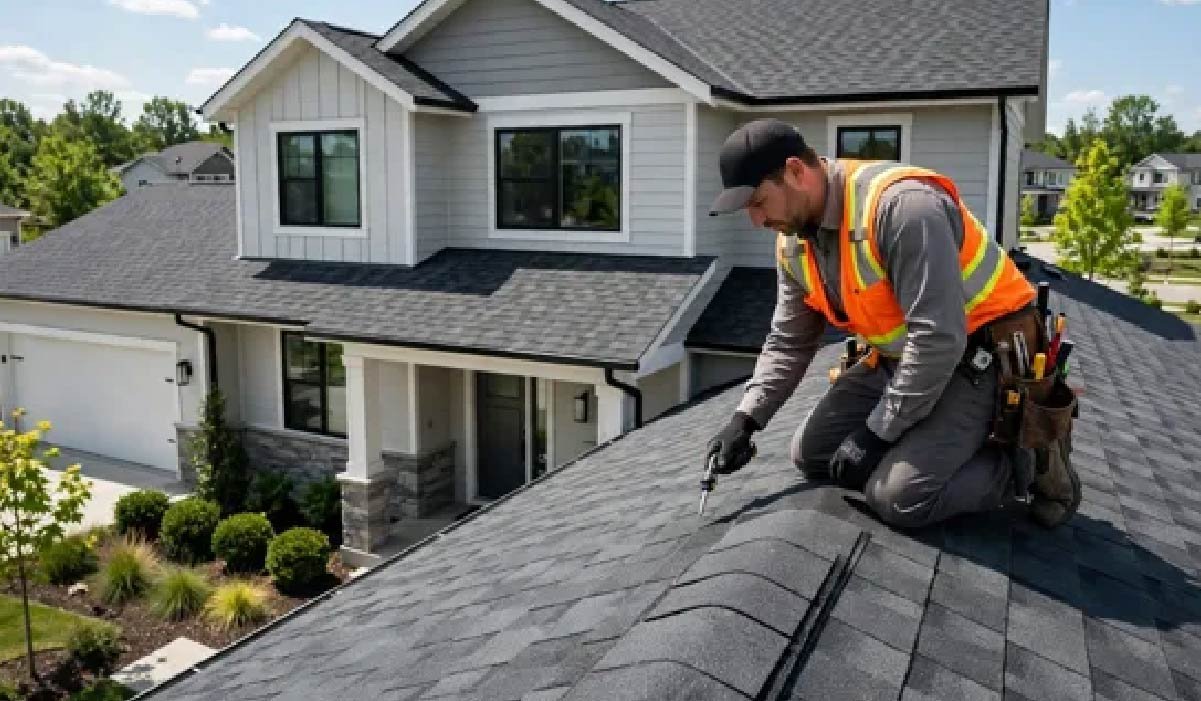
A roof is one of the most important components of any residential or commercial property because it protects the building from rain, wind, sunlight, dust, and other environmental conditions. A properly maintained roofing system helps prevent water infiltration, supports indoor comfort, and preserves the overall structural condition of a building. However, continuous exposure to changing weather conditions can gradually weaken roofing materials and create problems that may become expensive if left untreated. Loose shingles, damaged flashing, clogged gutters, small leaks, and moisture accumulation are common issues that can affect roofing performance over time. Regular inspections and preventive maintenance help property owners identify these problems early and avoid unnecessary repairs or premature replacement.
Roof maintenance involves a combination of inspection, cleaning, minor repairs, drainage management, and preventive care designed to keep roofing systems in good condition. The specific maintenance requirements depend on the roof’s material, age, design, installation quality, and environmental exposure. Asphalt shingles, metal panels, clay tiles, slate, and flat roofing membranes all require different maintenance approaches. Establishing a consistent maintenance routine helps homeowners, landlords, and commercial property managers protect their investments while maintaining the appearance and functionality of their buildings. Understanding the importance of roof maintenance, common warning signs, inspection procedures, and professional repair services can help property owners make better decisions and extend the useful life of their roofing systems.
Understanding the Importance of Regular Roof Maintenance
Regular roof maintenance is essential because roofing materials are continuously exposed to environmental conditions that can gradually affect their performance. Rainwater, strong sunlight, wind, temperature fluctuations, and airborne debris can contribute to deterioration even when a roof initially appears to be in good condition.
One of the main benefits of preventive maintenance is early problem detection. Small cracks, loose roofing materials, and damaged seals may seem insignificant at first, but they can eventually allow moisture to enter the building. Once water reaches the underlying roof deck or interior structure, the resulting damage may involve insulation, ceilings, walls, and other building components.
Maintenance also helps preserve the appearance of the property. Removing accumulated debris, addressing stains, and repairing visible defects can keep the exterior looking clean and well maintained.
Another important advantage is improved cost management. Preventive maintenance is generally easier to plan than emergency repairs caused by neglected roofing problems. Property owners who arrange periodic inspections can identify necessary work before deterioration becomes widespread.
A well-maintained roof also contributes to the overall reliability of the building, making routine care an important part of responsible property management.
Common Roofing Problems That Require Attention
Roofing problems can develop gradually or appear suddenly following severe weather. Recognizing common warning signs helps property owners understand when maintenance or professional repairs may be necessary.Missing, cracked, or curled shingles are among the most recognizable problems on asphalt roofing systems. These defects can expose underlying layers to moisture and increase the risk of leaks.
Damaged flashing is another common concern. Flashing protects vulnerable areas around chimneys, skylights, vents, and roof intersections. When it becomes loose, corroded, or deteriorated, water may enter through these connections.Clogged gutters and downspouts can also affect roofing performance. Leaves, dirt, and other debris may prevent proper drainage, allowing water to collect near roof edges and potentially damage fascia boards or nearby building components.
Flat roofs may develop standing water when drainage outlets become blocked or the roof surface no longer directs water effectively. Persistent ponding can contribute to membrane deterioration and leaks.Other warning signs include interior ceiling stains, damp insulation, peeling paint near rooflines, unusual odors, and visible sagging. These conditions should be evaluated promptly because they may indicate underlying moisture or structural concerns.
The Benefits of Professional Roof Inspections
Professional roof inspections provide a detailed assessment of roofing materials and supporting components. Although property owners can observe certain visible problems from the ground, trained roofing professionals can identify less obvious defects that may otherwise go unnoticed.
An inspection generally involves examining the roofing surface, flashing, valleys, drainage components, and other vulnerable areas. Contractors may also evaluate the roof deck, ventilation system, and attic conditions when access is available.Professionals look for cracked materials, loose connections, deteriorated sealants, rust, moisture intrusion, and signs of previous repairs that may require further attention.
For commercial properties, inspections may also involve checking rooftop equipment connections, expansion joints, drainage systems, and specialized waterproofing components.A written inspection report can help property owners understand the roof’s current condition and prioritize necessary maintenance work. It may also provide recommendations for repairs, cleaning, and future inspection schedules.
Scheduling professional inspections regularly helps reduce the likelihood of unexpected roofing problems and supports more informed maintenance decisions.
Cleaning the Roof and Removing Accumulated Debris
Roof cleaning is an important maintenance activity because leaves, branches, dust, dirt, and other debris can accumulate on roofing surfaces over time. If these materials remain in place, they may interfere with drainage and contribute to moisture-related deterioration.
Tree branches that hang close to the roof can drop leaves and organic debris onto the surface. In some situations, branches may also scrape roofing materials during windy conditions.
Cleaning methods should always be selected according to the roofing material. Asphalt shingles, clay tiles, metal panels, and flat membranes can respond differently to pressure and cleaning products.High-pressure washing is not suitable for every roofing system because excessive pressure may damage protective coatings, dislodge roofing materials, or force water beneath the surface.Professional cleaning services can assess the material and use appropriate techniques to remove dirt and unwanted growth without causing unnecessary damage.
Property owners should avoid walking directly on fragile roofing materials. Some surfaces can crack or become damaged under concentrated foot pressure, making professional access equipment and safety procedures important.Regular debris removal helps maintain drainage, improve appearance, and reduce the likelihood of avoidable roofing problems.
Gutter Cleaning and Drainage System Maintenance
Gutters and downspouts play a major role in directing rainwater away from the roof and building foundation. When these components become blocked, water may overflow and affect fascia boards, exterior walls, landscaping, and nearby structural elements.Leaves, twigs, dirt, and other debris commonly accumulate inside gutters, especially when trees are located close to the building.
Cleaning gutters periodically helps maintain proper water flow and reduces the likelihood of overflow during rainfall.Property owners should also check for loose brackets, sagging sections, corrosion, damaged joints, and leaking connections. These defects may prevent water from reaching the downspouts correctly.
Downspouts should discharge water away from the foundation according to suitable drainage requirements. Poorly directed water can contribute to moisture problems around the building.For larger properties, commercial buildings, and structures with complex drainage systems, professional maintenance may be necessary.Keeping gutters and downspouts in good condition is an important part of protecting the entire roofing system.
Maintaining Roof Flashing and Seals
Flashing is installed around vulnerable roofing details to prevent water from entering through joints and transitions. It is commonly found around chimneys, skylights, vents, dormers, and areas where different roof sections meet.
Because flashing is exposed to environmental conditions, it may gradually deteriorate, become loose, or develop corrosion depending on the material and installation method.Sealants used around certain roof penetrations can also lose flexibility over time. Cracking, separation, and other visible defects may allow water to enter the roofing assembly.
During maintenance inspections, contractors should evaluate flashing connections, fasteners, sealant condition, and surrounding roofing materials.Repairs should use compatible materials and installation methods suitable for the particular roofing system.
Applying new sealant over damaged or improperly installed flashing may provide only temporary improvement. The underlying problem should be identified before repairs are completed.Proper flashing maintenance helps protect some of the most vulnerable areas of a roof and reduces the risk of recurring leaks.
Roof Leak Detection and Early Repairs
Roof leaks are among the most common reasons property owners seek professional roofing services. Even a small leak can eventually cause significant damage when moisture repeatedly enters the building.
Water stains on ceilings and walls are common indicators, although the visible location of a stain does not always correspond to the actual entry point on the roof. Water may travel along structural components before appearing inside the building.
Other signs include damp insulation, peeling paint, mold-like growth, musty odors, and discoloration near ceiling fixtures.When a leak is suspected, the affected area should be evaluated promptly. Professional roofers inspect the roofing surface, flashing, penetrations, and drainage components to identify the source.
The repair method depends on the cause and extent of the damage. Minor defects may require localized repairs, while widespread deterioration may indicate that more extensive restoration is necessary.Addressing leaks early helps protect interior finishes, electrical components, insulation, and structural materials from additional moisture damage.
Maintaining Different Types of Roofing Materials
Different roofing materials have different maintenance requirements, which means property owners should avoid using a single maintenance approach for every roof.
Asphalt shingles should be inspected for missing sections, curling, cracks, and excessive granule loss. Damaged shingles should be evaluated and repaired using compatible materials.Metal roofs require attention to fasteners, panel connections, flashing, protective coatings, and possible corrosion. Loose connections and damaged coatings should be addressed according to manufacturer recommendations.
Clay and concrete tiles should be inspected for cracks, displacement, and damaged supporting components. Because these materials can be brittle, walking directly on them may cause additional damage.Slate roofing requires careful handling because individual pieces may crack or become displaced. Repairs should be performed by professionals familiar with slate installation.
Flat roofing membranes should be checked for punctures, seam separation, standing water, and deteriorating drainage details.Understanding the roofing material is essential for choosing suitable cleaning methods, inspection procedures, and repair products.
The Importance of Roof Ventilation and Insulation
Roof ventilation and insulation contribute to the overall performance of a building. Poor ventilation may allow excessive heat and moisture to accumulate in attic spaces, potentially affecting roofing components and indoor comfort.
Proper airflow helps manage moisture and temperature conditions beneath the roof. Depending on the building design, ventilation may involve soffit vents, ridge vents, gable vents, or other appropriately designed openings.Insulation helps reduce heat transfer between indoor and outdoor environments. When insulation becomes damp, damaged, or insufficient, the building may experience reduced energy performance.
During roof maintenance, professionals may inspect attic conditions for condensation, water stains, damaged insulation, and signs of inadequate airflow.
Ventilation improvements should be designed according to the entire roof assembly rather than simply adding vents without evaluating existing airflow.Addressing these components as part of a broader maintenance plan can help support roofing durability and indoor comfort.
Seasonal Roof Maintenance Considerations
Weather conditions can influence roofing performance throughout the year, making seasonal inspections useful for identifying developing problems.
During warmer months, strong sunlight and elevated temperatures may affect certain roofing materials, protective coatings, and sealants. Property owners should check for visible deterioration and signs of excessive heat-related wear.
Before periods of heavy rainfall, gutters, downspouts, flashing, and roof drainage systems should receive attention to help ensure that water can flow away properly.Windy conditions may loosen shingles, displace tiles, or move debris onto roofing surfaces. An inspection following severe weather can help identify damage before additional problems develop.
In colder climates, freezing temperatures may contribute to ice buildup and moisture-related damage. Roof drainage and insulation conditions should be evaluated where these conditions are relevant.
The ideal maintenance schedule depends on the building’s location, roofing material, surrounding vegetation, and exposure to environmental conditions.
Residential Roof Maintenance for Homeowners
Residential roof maintenance helps homeowners protect their property and avoid unnecessary repair expenses. A properly maintained roof supports indoor comfort, protects household belongings, and helps preserve the building’s exterior condition.
Homeowners should arrange periodic inspections and pay attention to visible warning signs such as damaged shingles, clogged gutters, loose flashing, and interior water stains.It is also useful to monitor nearby trees. Overhanging branches may contribute to debris accumulation or physical damage during windy weather.
Attic inspections can provide additional information about potential leaks and moisture problems. Homeowners should look for damp insulation, unusual odors, and visible water marks, without entering unsafe or inaccessible spaces.Maintenance should be documented so that recurring problems can be identified and addressed appropriately.
When repairs involve steep slopes, fragile materials, electrical equipment, or elevated access, professional assistance is strongly recommended.A consistent maintenance routine helps homeowners preserve their roofing systems and plan future improvements more effectively.
Commercial Roof Maintenance for Business Properties
Commercial roofs often require more detailed maintenance because they cover larger areas and may support mechanical equipment, ventilation systems, solar installations, and other building components.
Offices, warehouses, retail buildings, restaurants, and industrial facilities may use flat or low-slope roofing systems that require specialized inspection and drainage management.Facility managers should establish maintenance schedules that include membrane inspections, flashing checks, drainage cleaning, and evaluations of rooftop equipment connections.
Standing water is an important concern because persistent ponding may contribute to membrane deterioration and increase the likelihood of leaks.Commercial roof maintenance should also consider business operations. Planned inspections and repairs can often be scheduled to minimize disruption to employees, customers, tenants, and visitors.
Maintaining detailed inspection records helps property managers track repairs, monitor recurring problems, and budget for future maintenance requirements.Professional commercial roofing services can help protect valuable equipment, inventory, interior spaces, and daily business operations.
Preventing Mold and Moisture Damage Through Roof Maintenance
Moisture entering through a damaged roof can create conditions that encourage mold growth and deterioration of interior building materials.
When water reaches insulation, drywall, wood framing, or other absorbent surfaces, it may remain trapped if the affected areas are not properly dried.Early leak detection is therefore essential for preventing more extensive moisture problems.
Roof maintenance should include checking for damaged roofing materials, deteriorated flashing, blocked drainage systems, and other potential entry points.If water damage has already occurred, repairing the roof alone may not be sufficient. Affected interior materials may also require professional assessment, drying, cleaning, or replacement.
Property owners should address persistent dampness and musty odors promptly rather than relying on surface cleaning.Effective moisture management helps protect indoor air quality and reduces the risk of long-term damage to building components.
Factors That Influence Roof Maintenance Costs
Roof maintenance expenses depend on several factors, and every property requires an individual evaluation.
Roof size is one of the main considerations because larger surfaces generally require more inspection time, cleaning, materials, and labor.The roofing material also influences costs. Certain systems require specialized cleaning products, repair techniques, and replacement components.
Roof accessibility can affect the amount of equipment and labor needed. Steep slopes, multi-story structures, complex roof designs, and restricted access may increase maintenance expenses.
The condition and age of the roofing system are additional factors. A roof with minor maintenance needs may require less work than one with extensive deterioration, damaged flashing, or recurring leaks.Additional services such as gutter cleaning, waterproofing, insulation improvements, and ventilation repairs may also influence the total budget.
Property owners should request detailed estimates that explain the inspection process, recommended repairs, materials, labor, and any additional services.Comparing quotations based on the complete scope of work can help identify suitable maintenance services and avoid unexpected expenses.
Choosing a Reliable Roof Maintenance Contractor
Selecting a qualified roofing contractor is essential for receiving dependable maintenance services. Experienced professionals understand the characteristics of different roofing materials and can identify problems that may not be obvious during a basic visual inspection.
Property owners should review the contractor’s experience, relevant licensing, insurance, safety procedures, and previous projects.It is also helpful to ask whether the company has experience maintaining the specific roofing system installed on the property.
A reliable contractor should provide a clear inspection report explaining the roof’s condition and distinguishing between urgent repairs and recommended preventive work.Written estimates should outline labor, materials, repair methods, inspection arrangements, and any applicable warranties.
Communication is another important consideration. Contractors should explain their findings clearly and avoid recommending unnecessary replacement when targeted maintenance may be sufficient.Choosing a dependable service provider helps property owners establish a practical maintenance routine and protect their roofing investment.
Creating a Long-Term Roof Maintenance Schedule
A structured maintenance schedule helps ensure that important roofing components receive attention at appropriate intervals.Property owners should arrange routine inspections based on the roofing material, age, environmental exposure, and manufacturer recommendations.
Gutter cleaning should be scheduled according to surrounding vegetation and debris accumulation. Buildings near large trees may require more frequent attention than properties with limited nearby vegetation.
Additional inspections may be necessary following severe storms, strong winds, or other unusual weather conditions.Maintenance records should include inspection dates, identified defects, completed repairs, and recommendations for future work.
These records make it easier to monitor recurring issues and determine whether the roof is approaching the end of its expected service life.A long-term plan also allows property owners to budget for maintenance rather than waiting until an emergency occurs.Consistent inspections and timely repairs can help preserve roofing materials and support better building management.
Conclusion
Roof maintenance is an essential part of protecting residential and commercial properties from environmental damage, moisture intrusion, and premature roofing deterioration. Regular inspections, proper cleaning, gutter maintenance, flashing repairs, and early leak detection help preserve the condition and performance of roofing systems.
Property owners should understand that different roofing materials require different maintenance approaches. Asphalt shingles, metal panels, clay tiles, slate, and flat roofing membranes all have specific inspection and repair requirements that should be addressed appropriately.
Working with experienced roofing professionals helps identify developing problems, recommend suitable repairs, and establish a practical maintenance schedule. Paying attention to ventilation, insulation, and drainage can further improve the overall performance of the roofing system.
Ultimately, consistent roof maintenance is a practical investment that helps reduce unexpected repair expenses, protect interior spaces, and extend the useful life of a roof. With quality workmanship, appropriate materials, and regular preventive care, property owners can maintain a reliable roofing system and preserve the long-term condition and value of their buildings.
