

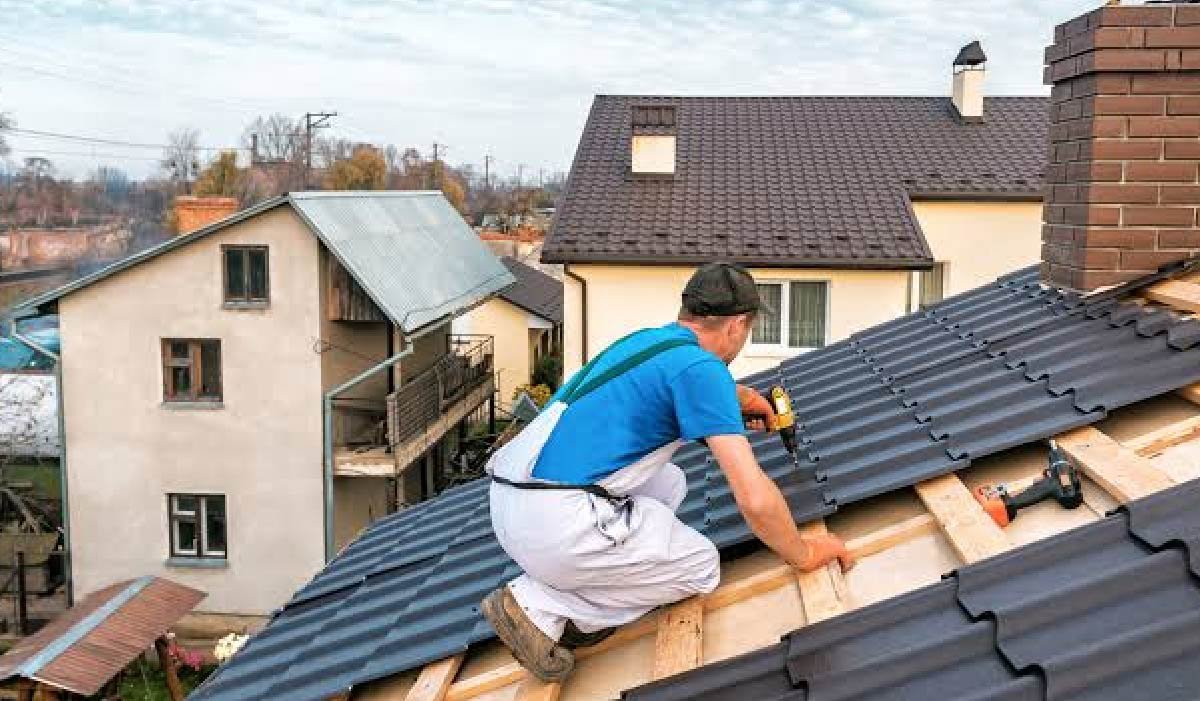
A roof is one of the most important components of any residential or commercial building because it protects the structure from rain, wind, sunlight, and changing weather conditions. A properly installed roof helps maintain indoor comfort, prevents moisture from entering the building, and supports the overall structural integrity of the property. However, roofing materials do not last forever. Continuous exposure to harsh weather, temperature fluctuations, moisture, and natural wear can gradually weaken roofing systems. When repairs are no longer sufficient to address recurring problems, replacing the existing roof may become the most practical long-term solution. A professionally completed roofing project can improve protection, enhance exterior appearance, and provide greater confidence in the property’s condition.
Roof replacement involves removing an existing roofing system and installing new materials designed to provide dependable protection for years. The process may include inspecting the roof structure, removing damaged shingles or other coverings, repairing the underlying deck, installing moisture barriers, and applying new roofing materials. Property owners can choose from several roofing options depending on their architectural preferences, budget, building requirements, and environmental conditions. Working with experienced roofing professionals is essential because proper installation directly influences the durability and performance of the finished roof. Understanding the replacement process, available materials, warning signs, costs, and maintenance requirements can help homeowners and commercial property managers make informed decisions.
Understanding When Roof Replacement Is Necessary
Every roofing system has a limited service life, although its actual lifespan depends on the materials used, installation quality, maintenance routine, and environmental exposure. Some roofs remain in good condition for decades, while others may deteriorate sooner because of poor workmanship, severe weather, or inadequate maintenance.
One of the most common reasons for replacement is widespread shingle deterioration. Asphalt shingles may become cracked, curled, brittle, or lose their protective granules as they age. When damage affects large sections of the roof, repeated repairs may no longer provide a reliable solution.
Frequent roof leaks are another warning sign. Water entering through damaged shingles, flashing, valleys, or other vulnerable areas can affect ceilings, insulation, walls, and structural components. If leaks continue despite previous repairs, the roofing system may require a more comprehensive evaluation.
Sagging roof sections can indicate problems with the underlying structure or supporting materials. This condition should be inspected promptly by qualified professionals because it may involve serious structural concerns.
Other signs include widespread discoloration, deteriorating flashing, recurring moisture problems, and visible damage following severe weather. A professional inspection can help determine whether targeted repairs are sufficient or whether complete replacement offers better long-term value.
Benefits of Investing in a New Roofing System
Replacing an aging roof offers several advantages beyond improving the property’s exterior appearance. One of the most important benefits is enhanced protection against weather-related damage. New roofing materials, properly installed underlayment, and suitable flashing help create a protective barrier against rain and moisture.
A new roof can also improve energy performance when the roofing assembly includes suitable insulation and ventilation. These components help manage indoor temperatures and reduce unnecessary heating or cooling demands.
Another advantage is reduced maintenance concerns. An older roof may require repeated repairs involving loose shingles, damaged flashing, and recurring leaks. A properly installed replacement can reduce the likelihood of these ongoing problems.
Roof replacement may also improve curb appeal. New roofing materials can complement the building’s exterior design and create a cleaner, more attractive appearance.
For property owners considering a future sale, a well-maintained roofing system may make the property more appealing to prospective buyers. Although the financial return depends on market conditions and construction quality, replacing a deteriorated roof can help demonstrate that the property has received important maintenance.
Different Types of Roofing Materials
Selecting suitable roofing materials is one of the most important decisions in a replacement project. Different materials provide different levels of durability, appearance, maintenance requirements, and installation costs.
Asphalt shingles remain popular because they are available in different colors and styles and can be suitable for many residential properties. Architectural shingles provide a dimensional appearance and may offer improved performance compared with basic options.
Metal roofing is another common choice because it is relatively lightweight and can provide long-term durability when properly installed. Metal roofs are available in several profiles, including standing seam and metal panels.
Clay and concrete tiles offer distinctive architectural appeal and are frequently selected for properties with traditional or Mediterranean-inspired designs. However, their weight requires the supporting roof structure to be suitable for the installation.
Slate roofing provides a natural appearance and can offer exceptional longevity when quality materials and appropriate installation methods are used. Its weight and installation requirements may make it more expensive than other options.
Flat roofing systems are commonly used on commercial buildings and certain residential properties. Options may include modified bitumen, single-ply membranes, and built-up roofing systems.
The most suitable material depends on the building’s design, structural capacity, climate, budget, and long-term maintenance expectations.
The Importance of Professional Roof Inspection
A detailed inspection is an essential first step before beginning a roof replacement project. It helps identify existing damage, determine the condition of the underlying structure, and establish the scope of work required.
Professional roofers inspect visible roofing materials for cracks, missing sections, deterioration, and signs of water intrusion. They also evaluate flashing around chimneys, skylights, vents, valleys, and roof edges.
The roof deck should receive particular attention because it provides the foundation for the roofing materials. If sections are weakened by moisture or deterioration, they may require repair or replacement before new materials are installed.
Attic inspections can provide additional information about ventilation, insulation, moisture accumulation, and possible roof leaks. Dark stains, damaged insulation, and visible moisture may indicate problems that are not immediately apparent from outside.
After the inspection, contractors can explain whether complete replacement is necessary and provide recommendations based on the roof’s condition.
A thorough evaluation helps prevent unexpected problems during installation and allows property owners to plan the project more accurately.
Understanding the Roof Replacement Process
A successful roofing project involves several stages, and each step contributes to the durability and performance of the finished installation.The process generally begins with property inspection, measurements, material selection, and preparation of a detailed estimate. Once the project is approved, contractors coordinate the required materials, equipment, safety measures, and installation schedule.
The next stage involves protecting the property and removing the existing roofing materials. Old shingles, tiles, metal panels, or other coverings are carefully removed so that the underlying roof deck can be inspected.Damaged decking is repaired or replaced as necessary. This step is important because installing new roofing materials over a weak or deteriorated surface can create long-term problems.
After the substrate is prepared, appropriate underlayment and moisture protection materials are installed. Flashing and other water-management components are also addressed.The selected roofing materials are then installed according to manufacturer specifications and applicable building requirements. Finally, contractors inspect the completed work, remove construction debris, and confirm that important roofing details have been properly addressed.
Asphalt Shingle Roof Replacement
Asphalt shingles are widely used in residential roofing because they offer a combination of affordability, design flexibility, and practical performance.
These shingles are manufactured using a fiberglass or organic base with asphalt and protective mineral granules. Their layered construction helps protect the roof from environmental exposure.During replacement, existing shingles are generally removed so the underlying roof deck can be inspected. Contractors then address damaged decking, install appropriate underlayment, and apply the new shingles according to the manufacturer’s instructions.
Architectural shingles are a popular option because they provide greater visual depth and a more dimensional appearance than traditional three-tab shingles.
Homeowners can choose from a range of colors to complement exterior siding, brickwork,stone, and other architectural elements.Proper ventilation and flashing installation are important for maintaining the performance of an asphalt shingle roof. Regular inspections can help identify missing shingles, damaged seals, and other developing problems.
Metal Roof Replacement and Its Advantages
Metal roofing has become an increasingly popular option for property owners interested in durable and modern roofing systems. It is available in different materials, including steel, aluminum, copper, and zinc.
One major advantage is its resistance to many forms of environmental wear. Quality metal roofing can withstand various weather conditions when installed according to appropriate specifications.Metal roofs are also available in different colors and profiles, allowing property owners to select an appearance that matches their architectural preferences.
Standing seam metal roofing is particularly popular in contemporary designs because its raised seams create a clean and organized appearance.
Another benefit is the relatively low maintenance requirement compared with certain traditional roofing materials. However, metal roofing still requires periodic inspections to check fasteners, flashing, protective coatings, and other connections.Proper installation is essential because incorrect fastening, unsuitable underlayment, or poorly detailed joints may create problems over time.
Flat Roof Replacement for Commercial Properties
Flat roofing systems are frequently installed on offices, warehouses, retail buildings, apartment complexes, and industrial properties. Although these roofs appear level, they generally require carefully designed slopes to direct water toward drainage points.Standing water can contribute to membrane deterioration, leaks, and damage to the underlying structure. For this reason, drainage design is an important consideration during replacement.
Common flat roofing materials include thermoplastic polyolefin, ethylene propylene diene monomer, modified bitumen, and built-up roofing systems.Each option has different installation methods, performance characteristics, and maintenance requirements.
During replacement, contractors evaluate the existing membrane, insulation, drainage components, roof deck, and flashing details. Damaged materials are removed or addressed before the new roofing system is installed.Commercial property owners should consider how the replacement project will affect business operations. Proper scheduling, access arrangements, and safety planning can help minimize disruption.
Selecting a roofing system suitable for the building’s structure and intended use can improve long-term performance and reduce maintenance concerns.
Roof Ventilation and Insulation During Replacement
Roof ventilation and insulation play important roles in maintaining indoor comfort and protecting roofing materials. These components should be evaluated during a replacement project rather than treated as unrelated upgrades.Proper ventilation helps manage heat and moisture in attic spaces. Inadequate airflow may contribute to excessive attic temperatures and moisture accumulation, potentially affecting insulation and roof components.
Ventilation systems may include soffit vents, ridge vents, gable vents, and other appropriately designed openings.
Insulation helps reduce unwanted heat transfer between indoor and outdoor environments. When insulation is damaged, insufficient, or improperly installed, heating and cooling systems may need to work harder to maintain comfortable indoor temperatures.A roof replacement project provides an opportunity to evaluate existing insulation and ventilation conditions.
However, ventilation improvements should be designed according to the building’s specific construction and applicable requirements. Simply adding more vents without considering the entire airflow system may not solve existing problems.Working with qualified professionals helps ensure that insulation and ventilation improvements complement the new roofing system.
Weather Protection and Waterproofing Considerations
One of the primary purposes of a roof is to prevent water from entering the building. Effective waterproofing depends on more than the visible roofing material.Underlayment, flashing, valleys, roof penetrations, edge details, and drainage components all contribute to the overall weather resistance of the system.
Flashing is especially important around chimneys, skylights, vents, and areas where different roof surfaces meet. Poorly installed or deteriorated flashing can allow water to penetrate even when the main roofing material appears undamaged.
Roof valleys also require careful attention because they collect and direct water from adjoining roof sections.Suitable underlayment provides an additional protective layer beneath the primary roofing materials. Its selection should reflect the roofing system, roof slope, and manufacturer recommendations.
Gutters and downspouts should also be evaluated because poor drainage can allow water to accumulate near roof edges and foundations.Proper waterproofing details help reduce leaks and protect the building’s interior and structural components.
Common Mistakes to Avoid During Roof Replacement
Roof replacement is a significant construction project, and certain mistakes can reduce the quality and durability of the finished installation.
One common mistake is choosing roofing materials based only on their initial price. Less expensive materials may not always provide the best long-term value, particularly when durability and maintenance requirements are considered.Another problem is failing to inspect the underlying roof deck. Installing new materials over deteriorated decking can lead to structural and installation problems.
Ignoring ventilation is another frequent concern. An improperly designed ventilation system may contribute to moisture accumulation and reduced roofing performance.
Poor flashing installation can also create recurring leaks around chimneys, skylights, vents, and other roof penetrations.Property owners should avoid selecting contractors without verifying their experience, insurance, licensing where applicable, and previous work.
Finally, accepting a vague estimate can create misunderstandings about material quality, removal procedures, additional repairs, and project responsibilities.Careful planning and professional installation help prevent these problems and support better long-term results.
Factors That Influence Roof Replacement Costs
The total cost of replacing a roof depends on several factors, and each property requires an individual assessment.Roof size is one of the primary considerations because larger surfaces generally require more materials and labor.
Roof complexity also affects pricing. Multiple slopes, valleys, skylights, chimneys, and other architectural details may require additional installation time and specialized flashing.
Material selection has a significant influence on the overall investment. Asphalt shingles, metal panels, tile, slate, and flat roofing membranes have different purchase and installation costs.The condition of the underlying structure is another important factor. Damaged decking, deteriorated flashing, insulation problems, and ventilation improvements may increase the scope of work.
Roof accessibility and building height can also influence labor and equipment requirements.
Property owners should request a detailed written estimate explaining material specifications, removal procedures, installation methods, labor, disposal, warranties, and potential additional expenses.Comparing multiple proposals can help identify a suitable contractor while ensuring that important installation details are not overlooked.
How to Choose the Right Roofing Contractor
Selecting an experienced roofing contractor is one of the most important decisions in a replacement project. Even high-quality roofing materials may perform poorly if installation is not completed correctly.Property owners should begin by reviewing the contractor’s experience with the specific roofing system they intend to install.
Previous projects can provide useful information about workmanship, attention to detail, and the company’s ability to manage different roof configurations.
Licensing and insurance should be verified according to applicable local requirements. Customers should also ask about manufacturer training, installation certifications, and available warranties.A professional contractor should provide a written proposal explaining the project scope, materials, labor, timeline, and payment arrangements.
Communication is equally important. Contractors should explain potential challenges, discuss unexpected repairs, and provide realistic expectations regarding project completion.It is also useful to ask who will supervise the installation and whether subcontractors will be involved.Choosing a qualified professional can help reduce installation problems and ensure that the new roofing system meets appropriate performance standards.
Roof Replacement for Residential Properties
Residential roof replacement helps homeowners maintain the protection, appearance, and functionality of their properties. A deteriorating roof can affect interior ceilings, insulation, walls, and other building components when moisture enters the structure.Homeowners may choose replacement to address widespread damage, improve energy efficiency, modernize the exterior appearance, or prepare a property for sale.
The project should consider the home’s architectural style, roof dimensions, existing structural conditions, and preferred roofing materials.
Homeowners should also evaluate the condition of gutters, soffits, fascia boards, attic insulation, and ventilation systems during the planning process.Protecting landscaping, outdoor furniture, and nearby property features during installation is another important consideration.A properly managed residential roofing project can improve the home’s exterior appearance while providing dependable protection for years.
Commercial Roof Replacement and Business Protection
Commercial buildings often have larger and more complex roofing systems than residential properties. Offices, retail centers, warehouses, hotels, and industrial facilities may require specialized roofing materials and installation methods.
A damaged commercial roof can affect business operations, stored inventory, equipment, employees, and customers.Commercial roof replacement generally involves evaluating the existing roofing assembly, drainage system, insulation, structural deck, and mechanical equipment installed on the roof.
Project planning should also account for business schedules, worker safety, access restrictions, and potential weather-related delays.Some commercial buildings may benefit from reflective roofing materials designed to reduce solar heat absorption. The suitability of these products depends on the building’s design and energy requirements.
Facility managers should compare roofing options based on durability, maintenance requirements, warranty coverage, and long-term operating considerations.Working with experienced commercial roofing professionals can help property owners manage complex projects and protect their business investments.
Maintaining Your New Roof for Long-Term Performance
Installing a new roof is an important investment, and regular maintenance helps preserve its condition over time.
Property owners should arrange periodic inspections to identify loose shingles, damaged flashing, deteriorating sealants, and other developing problems.Gutters and downspouts should be cleaned regularly to prevent blockages and support proper water drainage.
Tree branches that hang close to the roof may need trimming to reduce physical damage and the accumulation of leaves and debris.
Attic spaces should also be checked for signs of moisture, unusual odors, and damaged insulation.After severe weather, an additional inspection may be useful to identify missing materials or other visible damage.Maintenance requirements vary depending on the roofing material, installation system, and environmental exposure. Following manufacturer recommendations and professional guidance can help extend the useful service life of the new roof.
Conclusion
Roof replacement is an important investment that can improve a property’s protection, appearance, and long-term functionality. Whether replacing deteriorated asphalt shingles, upgrading to metal roofing, installing a new tile system, or renewing a commercial flat roof, careful planning and professional installation are essential for achieving dependable results.
Property owners should begin by evaluating the existing roof’s condition and understanding the reasons replacement may be necessary. Choosing suitable materials, inspecting the underlying structure, addressing ventilation and insulation, and ensuring proper waterproofing can significantly influence the performance of the finished installation.
Selecting an experienced roofing contractor is equally important. Reviewing qualifications, insurance, previous projects, written estimates, and warranty terms can help property owners make informed decisions.
Regular inspections and preventive maintenance should continue after installation to protect the roofing investment and identify developing problems early.
Ultimately, a properly planned roof replacement provides more than a refreshed exterior appearance. It creates a stronger protective system that supports indoor comfort, helps prevent moisture damage, and contributes to the long-term condition and value of the property.
