

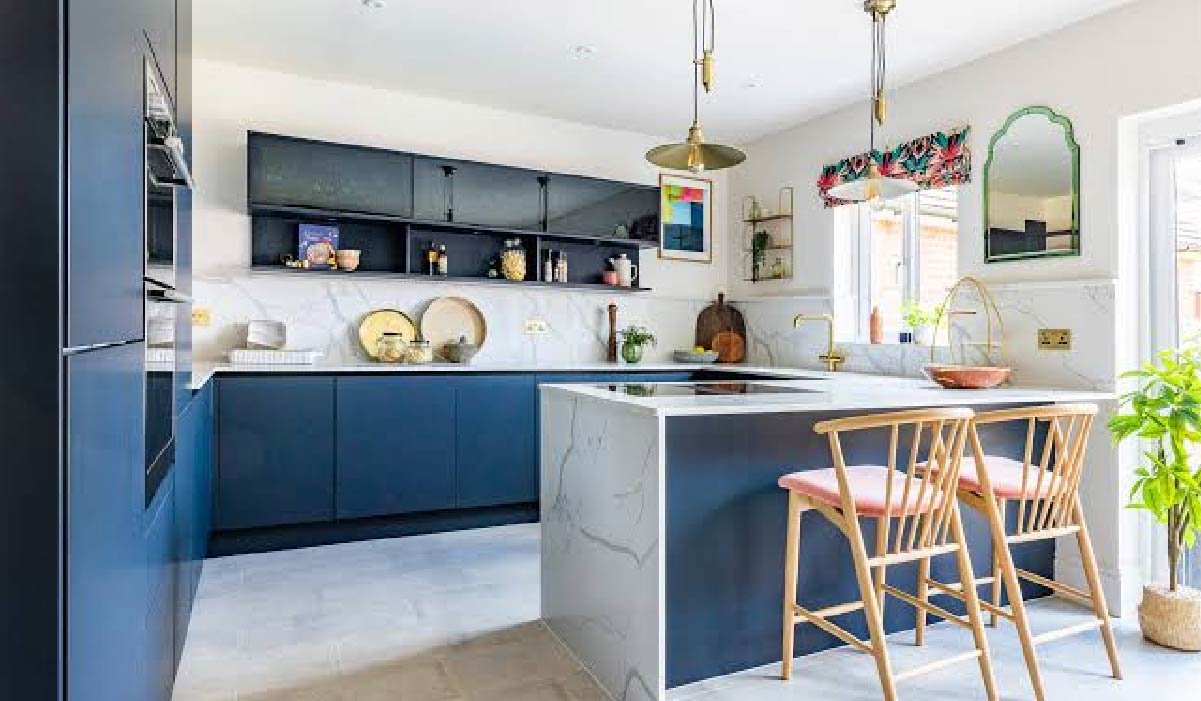
Cabinets play an important role in the appearance, functionality, and organization of residential and commercial interiors. Whether installed in kitchens, bathrooms, laundry rooms, offices, or storage areas, cabinets contribute significantly to the overall design of a space. Over time, however, their surfaces may become scratched, faded, stained, or outdated due to regular use and exposure to moisture, grease, and cleaning products. Replacing entire cabinets can be expensive and time-consuming, particularly when the existing structures are still in good condition. Cabinet painting offers a practical alternative by refreshing the appearance of existing cabinetry without requiring a complete replacement. With proper preparation, suitable coatings, and professional application techniques, older cabinets can achieve a clean, attractive, and durable finish.
A successful cabinet painting project involves much more than applying a new coat of color. It requires careful surface preparation, appropriate paint selection, detailed application, and sufficient drying and curing time. Different cabinet materials also require different preparation methods to ensure that paint adheres correctly and produces a consistent appearance. Whether homeowners want to modernize an outdated kitchen, brighten a bathroom, or coordinate storage units with a new interior design, professionally painted cabinets can make a noticeable difference. Understanding the benefits, preparation process, available finishes, costs, and maintenance requirements can help property owners make informed decisions and achieve results that complement their spaces.
Understanding the Importance of Professional Cabinet Painting
Cabinets are among the most frequently used features in many homes. Kitchen cabinet doors and drawers are opened repeatedly throughout the day, while bathroom cabinets are regularly exposed to moisture and temperature changes. These conditions can gradually affect their appearance and surface quality, making older cabinetry look worn even when its structure remains functional.
Professional painting provides an opportunity to improve the appearance of existing cabinets while maintaining their original layout. Instead of removing and replacing entire units, homeowners can update the visible surfaces with colors and finishes that better match their current preferences. This approach can reduce material waste and avoid some of the disruption associated with a complete renovation.
Another important advantage is the ability to customize the final appearance. Homeowners can choose from a wide range of colors, including traditional white, warm neutrals, charcoal, navy, soft green, and other contemporary shades. Different finishes can also create different visual effects, allowing cabinets to complement countertops, flooring, backsplashes, and interior furnishings.
Professional workmanship is especially valuable because cabinetry requires a smooth and consistent finish. Visible brush marks, uneven coverage, paint drips, and poor adhesion can affect the final appearance. Experienced painters understand how to prepare surfaces and apply suitable coatings to achieve a more refined result.
Benefits of Painting Existing Cabinets Instead of Replacing Them
One of the main reasons homeowners choose cabinet painting is the opportunity to refresh their interiors without undertaking a complete renovation. Cabinet replacement often involves removing existing units, purchasing new materials, modifying layouts, and arranging additional installation work. When the existing cabinets are structurally sound, painting may provide a more practical way to achieve a noticeable visual improvement.
Cost savings are another potential benefit. Painting generally requires fewer materials and less construction work than replacing an entire cabinet system. Although the final cost depends on cabinet size, condition, preparation requirements, and paint quality, many homeowners find that refinishing existing units is a worthwhile investment.
Cabinet painting can also help reduce unnecessary waste. Keeping functional cabinet boxes and doors in use avoids discarding materials that may still have many years of service remaining. This can make painting an appealing option for homeowners interested in more resource-conscious renovation choices.
Flexibility is another advantage. Unlike standard replacement options, painting allows property owners to select customized colors and finishes that reflect their personal style. A carefully chosen color can make a kitchen feel brighter, create visual contrast, or give an older interior a more modern appearance.
Choosing the Right Paint for Cabinet Surfaces
Selecting suitable paint is one of the most important decisions in a cabinet painting project. Cabinets experience frequent handling, cleaning, and occasional impact, so the coating must provide good adhesion and resistance to everyday wear.
Specially formulated cabinet paints and high-quality enamel coatings are commonly used because they are designed to create durable, smooth surfaces. Some water-based products offer convenient cleanup and lower odor, while certain other formulations may provide different application and curing characteristics.
The correct product depends on the cabinet material, existing finish, environmental conditions, and desired appearance. Wood cabinets may require a different primer and preparation process from laminate or previously painted surfaces. Using an incompatible coating can lead to peeling, uneven coverage, or poor adhesion.
Homeowners should also consider the paint manufacturer’s recommendations for application temperature, drying time, recoating intervals, and curing requirements. Selecting a suitable coating system from primer through topcoat helps produce a more consistent and reliable finish.
Popular Cabinet Colors and Modern Design Trends
Color selection has a major influence on the overall appearance of a room. Since cabinets often cover large portions of kitchen and bathroom walls, their color can determine whether an interior feels bright, warm, spacious, or dramatic.
White remains a popular choice because it creates a clean appearance and works well with many different interior styles. It can make smaller kitchens feel more open and provides a neutral background for colorful accessories, countertops, and decorative features.
Gray is another versatile option. Light gray can create a soft and contemporary atmosphere, while darker shades provide a more dramatic appearance. Navy blue and deep green are also popular choices for homeowners who want to introduce stronger colors without making the space feel overly busy.
Warm neutrals, including beige, cream, and taupe, can create inviting interiors that coordinate with natural wood, stone, and other textured materials. Two-tone cabinet designs are another option, with different colors used for upper and lower cabinets or kitchen islands.
Before selecting a final shade, homeowners should consider natural lighting, countertop colors, flooring, wall finishes, and the overall design of the room. Testing paint samples under different lighting conditions can help prevent unexpected color differences after application.
Kitchen Cabinet Painting for a Fresh Interior Appearance
Kitchen cabinets are often the most noticeable cabinetry in a home, making them an important feature in interior renovations. Over time, cooking grease, fingerprints, food stains, and repeated cleaning can affect their appearance. Even well-maintained cabinets may eventually look outdated as interior design preferences change.
Painting kitchen cabinets can help create a more coordinated and updated environment. Light colors may make a compact kitchen feel brighter, while darker shades can introduce contrast and sophistication. Homeowners can also coordinate cabinet colors with existing countertops, backsplashes, appliances, and flooring.
The painting process generally involves removing cabinet doors and hardware, cleaning surfaces, repairing minor imperfections, preparing the material, applying primer, and finishing with suitable paint. Drawers and cabinet frames should receive the same attention to maintain a consistent appearance.
Because kitchens experience frequent use, the coating should be selected for durability and resistance to regular cleaning. Allowing sufficient curing time before returning cabinets to everyday use is also important for protecting the new finish.
Bathroom Cabinet Painting and Moisture Resistance
Bathroom cabinets are exposed to conditions that differ from those found in many other rooms. Regular humidity, water splashes, cleaning products, and temperature changes can gradually affect cabinet surfaces. For this reason, paint selection and preparation are particularly important when updating bathroom cabinetry.
Before painting, the existing cabinet surface should be examined for swelling, peeling, water damage, and loose finishes. Any underlying problems should be addressed before applying a new coating. Painting over damaged or moisture-affected materials may produce an attractive short-term appearance but is unlikely to provide a durable result.
Moisture-resistant primers and suitable cabinet paints can help protect properly prepared surfaces. However, paint should not be considered a substitute for repairing leaks, improving ventilation, or replacing severely damaged materials.
Color selection also influences the bathroom’s appearance. White and soft neutral shades can create a clean atmosphere, while darker colors may provide an attractive contrast with lighter walls and fixtures.
Preparing Cabinets Before Painting
Proper preparation is one of the most important stages of cabinet painting. Even premium paint may fail to adhere correctly when surfaces are dirty, greasy, glossy, or damaged. A careful preparation process helps create a stable foundation for the new coating.
The process typically begins by removing cabinet doors, drawers, handles, knobs, and hinges. Keeping hardware organized and labeling each door can make reassembly easier. All surfaces should then be cleaned to remove cooking grease, dust, fingerprints, and other contaminants.
Once the cabinets are clean and dry, the existing finish may require sanding or another suitable surface-preparation method. Sanding helps create an appropriate surface profile for primer adhesion, although the amount of preparation depends on the cabinet material and existing coating.
Small scratches, dents, and surface imperfections may need to be filled and smoothed before painting. Any loose or peeling material should be removed, and damaged sections should be repaired where practical.
After preparation, dust should be removed carefully so that it does not become trapped in the primer or paint. Taking sufficient time during this stage helps improve the final appearance and durability of the completed project.
The Importance of Priming Cabinet Surfaces
Primer plays an important role in many cabinet painting projects because it helps create a suitable foundation for the finish coat. It can improve adhesion, provide more consistent coverage, and help prevent certain stains or existing colors from affecting the final result.
Different cabinet materials may require different primers. Bare wood, previously painted surfaces, laminate, and other manufactured materials do not always respond to the same products. Selecting a compatible primer is essential for achieving reliable results.
Some wood surfaces contain natural compounds that may discolor lighter finishes if they are not properly sealed. A suitable stain-blocking primer can help reduce this problem. Smooth or difficult-to-coat surfaces may require specialized bonding primers designed to improve adhesion.
Primer should be applied evenly according to the manufacturer’s instructions. Allowing it to dry properly before applying the finish coat is important because rushing this stage may affect the final appearance.
Professional Cabinet Painting Techniques
Applying paint to cabinets requires patience and attention to detail. Cabinet doors, drawer fronts, edges, corners, and frames all need consistent coverage. Poor application can result in visible streaks, uneven thickness, drips, and rough surfaces.
Professional painters use different application methods depending on the cabinet design and coating product. High-quality brushes may be appropriate for detailed edges and smaller sections, while suitable rollers can help cover larger flat surfaces.
Spray application is another popular technique because it can produce a smooth and uniform finish when performed correctly. It requires appropriate equipment, surface protection, ventilation, and application experience. Proper spray technique helps reduce visible application marks and creates a refined appearance.
Multiple thin coats are often preferable to one excessively thick coat. Each layer should be allowed to dry according to the product instructions before the next application. Careful attention to drying and curing requirements helps improve the final finish and reduce the risk of damage during reassembly.
Understanding Different Cabinet Finishes
The finish selected for cabinetry affects both its appearance and practical performance. Different finishes provide different levels of shine and visual character, so homeowners should choose according to their interior style and maintenance preferences.
Matte finishes have a soft appearance and can create a modern, understated look. They are often selected for contemporary interiors, although cleaning requirements vary depending on the specific coating.Satin finishes provide a subtle sheen that offers a balance between a smooth appearance and practical maintenance. They are a popular choice for kitchen and bathroom cabinets because they can complement a variety of design styles.
Semi-gloss finishes reflect more light and are often easier to wipe clean. They may be suitable for cabinets that experience frequent contact and require regular cleaning.
Gloss finishes provide a highly reflective appearance and can make certain design features stand out. However, they may also make surface imperfections more noticeable, which increases the importance of careful preparation and application.The ideal finish depends on the cabinet material, room conditions, cleaning requirements, and overall design preferences.
Painting Wood, Laminate, and MDF Cabinets
Different cabinet materials require different preparation and painting approaches. Understanding the material is important because the correct coating system can improve adhesion and reduce the likelihood of peeling or surface damage.
Wood cabinets are generally suitable for refinishing when their structure and surface condition are sound. They may require cleaning, sanding, repairs, and an appropriate primer before the finish coat is applied. Natural grain patterns may still influence the final appearance depending on the preparation and coating system.
Laminate cabinets have a smooth surface that may be difficult for ordinary paint to adhere to. A compatible bonding primer and manufacturer-approved preparation method are usually important for obtaining a durable finish. Severely damaged or peeling laminate may require repair or replacement rather than painting.
Medium-density fiberboard, commonly known as MDF, is widely used for cabinet doors and panels. Its exposed edges can absorb moisture and may require special preparation and sealing. Any swollen or deteriorated MDF should be evaluated before painting because coatings cannot restore damaged material.
Choosing the correct products and techniques for each surface helps produce a more consistent and dependable result.
How Cabinet Painting Can Improve Property Value
Interior appearance can influence how buyers and visitors perceive a property. Kitchens and bathrooms are particularly important because they are frequently used and often receive significant attention during property evaluations.
Freshly painted cabinets can make an interior look cleaner, more coordinated, and better maintained. Updated colors may also help an older property appeal to buyers who prefer contemporary design features.
Although painting cabinets does not guarantee a specific increase in property value, it can improve visual presentation without requiring the expense of a complete cabinet replacement. This can be especially useful when existing cabinets are structurally sound but have outdated colors or worn finishes.
Property owners preparing a home for sale should consider whether cabinet painting complements other improvements, including updated lighting, new hardware, wall finishes, and countertop repairs. A coordinated approach can create a more polished appearance.
DIY Cabinet Painting Versus Hiring Professional Painters
Some homeowners choose to paint cabinets themselves because they want greater control over the project and the opportunity to reduce labor expenses. DIY painting can be suitable for smaller projects when the homeowner has sufficient time, preparation knowledge, and access to appropriate materials.
However, cabinet painting is more demanding than painting ordinary walls. Doors, drawer fronts, corners, detailed edges, and cabinet frames require careful attention. Preparation, primer selection, coating compatibility, and curing times can also affect the result.
Professional painters bring experience with different cabinet materials, surface preparation methods, and application techniques. They may also have access to specialized spray equipment and dedicated workspaces that help produce a smoother finish.
Hiring professionals can be particularly beneficial for large kitchens, detailed cabinetry, and projects where appearance and durability are priorities. Before choosing a service provider, homeowners should review previous projects, ask about materials, and understand the preparation and finishing process included in the quotation.
Understanding the Cost of Cabinet Painting
The cost of a cabinet painting project depends on several factors, including the number of doors and drawers, cabinet size, material condition, paint quality, preparation requirements, and application method.
Cabinets that require extensive cleaning, sanding, repairs, or removal of old coatings may involve additional labor. Decorative details, intricate profiles, and difficult-to-reach areas can also increase project complexity.
Paint and primer quality influence material expenses, while spray application may involve additional preparation and equipment requirements. Hardware replacement, hinge adjustments, and minor cabinet repairs may also affect the overall budget.
Property owners should request a detailed estimate that explains the scope of work, preparation methods, products, number of coats, and expected completion time. Comparing quotations based on workmanship and material quality rather than price alone can help prevent disappointing results.
Although professional cabinet painting requires an investment, it may provide a cost-effective alternative to replacing functional cabinetry.
Maintaining Painted Cabinets for Long-Lasting Results
Proper maintenance helps preserve the appearance of painted cabinets and reduces unnecessary wear. Even durable coatings can become damaged when exposed to harsh chemicals, excessive moisture, or rough cleaning methods.
Cabinet surfaces should generally be cleaned using a soft cloth and a mild cleaning solution that is compatible with the paint manufacturer’s recommendations. Abrasive pads and aggressive chemicals should be avoided because they may scratch or weaken the finish.
Spills, grease, and moisture should be cleaned promptly, particularly around kitchen sinks, cooking areas, and bathroom vanities. Good ventilation can also help manage humidity and reduce unnecessary moisture exposure.
Homeowners should avoid repeatedly slamming cabinet doors and drawers because impacts may gradually damage painted edges and surfaces. Door bumpers and properly adjusted hinges can help reduce unnecessary contact.
It is also important to allow newly painted cabinets to cure fully before exposing them to heavy use. Dry-to-touch paint is not necessarily ready for repeated handling, so the manufacturer’s curing instructions should be followed.
Common Cabinet Painting Mistakes to Avoid
One of the most common mistakes is skipping proper surface preparation. Applying paint over grease, dust, or loose coatings can lead to poor adhesion and an uneven appearance. Cleaning and preparing the cabinets correctly is essential for achieving a lasting finish.
Another mistake is using ordinary wall paint instead of a suitable cabinet coating. Cabinet surfaces experience more handling and cleaning than most walls, so they generally require products designed for greater durability.
Applying excessively thick coats can also create problems. Heavy paint layers may develop drips, uneven textures, and longer drying times. Following product instructions and allowing sufficient drying time between coats helps improve results.
Ignoring primer requirements is another frequent issue. Certain materials and existing finishes require specialized primers to achieve proper adhesion. Using an incompatible product may cause peeling or discoloration.Finally, rushing the reassembly process can damage freshly painted surfaces. Cabinet doors and drawers should be handled carefully, and adequate curing time should be allowed before regular use.
Choosing a Reliable Cabinet Painting Company
Selecting the right painting company is important because the quality of preparation and application has a major influence on the final result. Property owners should look for professionals with experience in cabinet refinishing rather than relying exclusively on general interior painting experience.
Before hiring a contractor, it is useful to review previous cabinet projects and ask about the preparation process, primers, paint brands, application methods, and expected project timeline. A reliable company should explain how it handles cleaning, sanding, repairs, masking, and finishing.
Customer reviews and project photographs can provide insight into workmanship and service quality. Homeowners should also ask whether the quotation includes door removal, hardware handling, cabinet frame painting, cleanup, and reinstallation.
Clear communication is essential throughout the project. Professional painters should explain the expected appearance, possible limitations, maintenance recommendations, and warranty coverage where available.Choosing an experienced provider can help homeowners avoid common application problems and achieve a finish that complements their interiors.
Conclusion
Cabinet painting is an effective way to refresh residential and commercial interiors without replacing existing cabinetry. It offers flexibility in color selection, helps improve the appearance of kitchens and bathrooms, and can provide a practical alternative to more extensive renovation work. With suitable products, careful preparation, and professional application, older cabinets can achieve an attractive finish that supports the overall design of a space.
Successful results depend on understanding the cabinet material, selecting compatible primers and coatings, preparing surfaces properly, and allowing adequate drying and curing time. Maintenance also plays an important role in protecting the finished surfaces from moisture, scratches, stains, and everyday wear.
Whether homeowners choose a modern neutral color, a bold contemporary shade, or a traditional finish, professionally painted cabinets can make a noticeable difference to their interiors. By selecting quality materials and experienced painters, property owners can improve the appearance of their existing cabinetry while making a practical investment in the long-term comfort and presentation of their spaces.
