

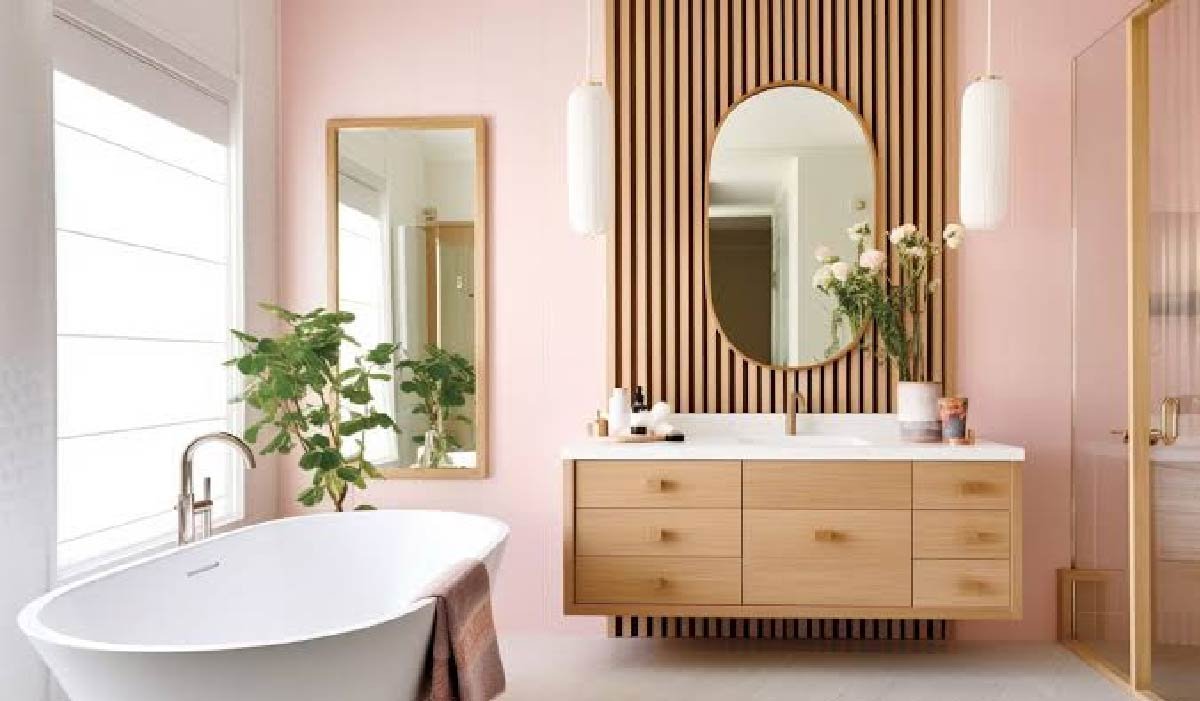
A bathroom is one of the most frequently used spaces in any home, yet it is often overlooked when homeowners consider improvements to their living environment. Over time, outdated fixtures, worn surfaces, inefficient layouts, poor lighting, and limited storage can make an otherwise functional bathroom feel uncomfortable and unattractive. Updating this essential space is an opportunity to improve everyday convenience, introduce modern design elements, and create an environment that feels clean, relaxing, and welcoming. A well-planned bathroom remodel goes beyond changing the appearance of walls, floors, and fixtures; it involves improving the overall functionality of the room while ensuring that every design decision supports the homeowner’s lifestyle and long-term needs.
Whether the goal is to create a luxurious personal retreat, improve accessibility, increase storage, or simply replace aging materials, careful planning makes a significant difference in the final outcome. A successful renovation balances visual appeal with practical considerations, including ventilation, plumbing, lighting, durability, and maintenance. By understanding the different stages of the renovation process and exploring suitable materials, layouts, and design possibilities, homeowners can make informed decisions that lead to a more attractive and functional bathroom.
Understanding the Importance of a Well-Designed Bathroom
A bathroom plays an important role in maintaining comfort, hygiene, and convenience throughout the day. It is often the first space people enter in the morning and one of the last places they visit before going to bed. For this reason, its layout, cleanliness, lighting, and overall atmosphere can influence the daily experience of everyone living in the home. An outdated or poorly organized bathroom can create unnecessary frustration, particularly when there is insufficient storage, limited counter space, inadequate lighting, or fixtures that no longer function properly.
A carefully designed bathroom improves these everyday experiences by making the space easier to use and maintain. Modern fixtures can improve water efficiency, better storage solutions can reduce clutter, and thoughtful lighting can make grooming activities more comfortable. Even relatively small improvements, such as replacing an old vanity, installing a modern shower enclosure, or updating the flooring, can make the room feel significantly more inviting. Homeowners should therefore consider both immediate comfort and long-term practicality when planning improvements, rather than focusing exclusively on decorative features.
Planning Your Renovation Before Starting Construction
Thorough planning is one of the most important steps in any successful renovation project. Before purchasing materials or hiring contractors, homeowners should evaluate the existing bathroom and identify the problems they want to solve. This assessment should include examining the condition of plumbing fixtures, checking for signs of moisture damage, reviewing available storage, and determining whether the current layout makes efficient use of the available space. Establishing clear priorities helps prevent unnecessary expenses and ensures that the renovation addresses the most important concerns.
Creating a realistic budget is equally important because renovation expenses can vary depending on the room’s size, the quality of materials, the complexity of the plumbing, and the amount of structural work required. Homeowners should account for labor, fixtures, flooring, wall finishes, lighting, waterproofing, and installation costs. It is also sensible to reserve additional funds for unexpected issues that may become visible after old flooring, cabinets, or wall coverings are removed. Hidden plumbing leaks, damaged subfloors, and deteriorating wall structures can increase project costs if they are not identified during the initial assessment.
Another essential part of planning is establishing a practical timeline. Some projects can be completed relatively quickly, while more extensive renovations may require several weeks, particularly when plumbing modifications, electrical improvements, or custom installations are involved. Discussing expectations with contractors before work begins helps everyone understand the project requirements and reduces the possibility of misunderstandings. A detailed plan also makes it easier to coordinate material deliveries, installation schedules, and inspections.
Choosing a Bathroom Layout That Maximizes Space
The layout of a bathroom directly affects its functionality, appearance, and comfort. Even a relatively small room can feel spacious when its fixtures are positioned thoughtfully and unnecessary obstacles are removed. Before deciding on a new arrangement, homeowners should consider how frequently the bathroom is used, how many people share it, and which features are most important. A family bathroom may require additional storage and a practical bathtub, whereas a private bathroom may benefit more from a spacious walk-in shower, a stylish vanity, and carefully selected lighting.
Keeping major plumbing fixtures in their existing positions can sometimes reduce renovation expenses because relocating toilets, showers, and sinks may require additional plumbing work. However, changing the layout can be worthwhile when the current arrangement creates significant problems or wastes valuable space. Wall-mounted vanities, recessed shelves, sliding shower doors, and compact fixtures can help create a more open appearance without sacrificing essential functionality.
For larger bathrooms, separate shower and bathtub areas can provide greater flexibility and improve the overall design. Double vanities may also be useful in households where multiple people need to get ready at the same time. Regardless of the room’s dimensions, maintaining comfortable movement between fixtures should remain a priority. A visually attractive bathroom will not feel successful if its layout makes everyday activities difficult.
Selecting Durable and Attractive Flooring Materials
Flooring is one of the most important design decisions because bathroom surfaces are regularly exposed to water, humidity, cleaning products, and frequent foot traffic. The ideal material should combine durability, moisture resistance, safety, and visual appeal. Porcelain and ceramic tiles are popular choices because they are available in numerous colors, patterns, textures, and sizes. They are also relatively easy to clean and can complement both traditional and contemporary interior styles.
Porcelain tiles are particularly suitable for bathrooms because of their low water absorption and durability. They can imitate the appearance of natural stone, wood, and concrete, making it possible to achieve different decorative effects without necessarily choosing more demanding materials. Ceramic tiles offer another versatile option and are available in a wide range of designs that can work well in both small and large spaces.
Safety should never be overlooked when selecting flooring. Highly polished surfaces can become slippery when wet, increasing the risk of accidents. Textured finishes and tiles designed for wet environments can provide better traction and improve everyday safety. Proper installation is equally important because incorrect tile placement, inadequate waterproofing, or poorly sealed joints can contribute to moisture problems over time. Choosing quality materials and experienced installers helps protect the investment and maintain the appearance of the finished space.
Creating a Modern Shower and Bathtub Area
The shower and bathtub area often serves as the central feature of a bathroom, making its design particularly important. An outdated shower can make the entire room feel older, while a modern enclosure can create a cleaner and more sophisticated appearance. Walk-in showers have become popular because they offer an open design, convenient access, and flexible styling options. Frameless glass panels can make the room feel larger by allowing light to travel throughout the space without visual interruptions.
Shower systems are available in different configurations, including rainfall showerheads, handheld sprayers, adjustable controls, and multiple spray settings. Homeowners should choose features according to their preferences, water pressure, and available plumbing. Installing built-in niches can also improve convenience by providing dedicated storage for toiletries without requiring additional shelves or bulky accessories.
Bathtubs remain an important feature for households that enjoy relaxing baths or need a practical bathing option for children. Freestanding tubs can create a striking visual centerpiece in spacious bathrooms, while built-in models are often more practical where floor space is limited. When choosing a bathtub, it is important to consider its dimensions, installation requirements, water capacity, and ease of cleaning. Combining attractive design with practical functionality ensures that the bathing area remains comfortable and useful for years.
Improving Storage Without Creating Clutter
Storage is an essential part of bathroom design because personal care products, towels, cleaning supplies, and everyday accessories can quickly make the room appear disorganized. Insufficient storage often leads to crowded countertops and overflowing cabinets, reducing both convenience and visual appeal. A successful renovation should therefore include storage solutions that keep frequently used items accessible while maintaining a clean and organized appearance.
Vanity cabinets are among the most practical storage features because they provide concealed space for everyday essentials. Drawers with dividers can make it easier to organize smaller products, while deeper cabinets can accommodate larger items. Wall-mounted cabinets are another useful option, particularly in bathrooms where floor space is limited. Recessed shelves and built-in shower niches provide additional storage without making the room feel crowded.
Open shelving can also contribute to the overall design when used carefully. It provides convenient access to towels and decorative accessories, but excessive open storage may create a cluttered appearance. A balanced combination of concealed cabinets and selected display areas usually produces the best results. Homeowners should think about their actual storage habits before selecting cabinets, shelves, or organizers so that the finished bathroom supports their daily routines.
Choosing the Right Lighting for Comfort and Functionality
Lighting can completely change the appearance and usability of a bathroom. A poorly illuminated space may feel smaller, less welcoming, and difficult to use for grooming activities. On the other hand, a thoughtful lighting arrangement can make the room feel brighter, highlight attractive design details, and create a relaxing atmosphere. The best approach is to combine different lighting sources rather than relying on a single ceiling fixture.
General lighting provides overall illumination and should distribute light evenly throughout the room. Recessed ceiling lights and attractive flush-mounted fixtures are common options because they can provide sufficient brightness without taking up unnecessary visual space. Task lighting is particularly important around the vanity and mirror, where people need clear visibility for shaving, skincare, makeup application, and other personal care activities. Properly positioned mirror lights can reduce shadows and improve visibility.
Accent lighting can introduce a softer atmosphere and highlight architectural features, decorative niches, or attractive wall finishes. Dimmable fixtures are useful because they allow homeowners to adjust brightness according to different activities and preferences. All electrical installations should be suitable for bathroom environments, with appropriate protection against moisture and compliance with applicable electrical safety requirements. A professional electrician can help determine the correct placement and specifications for each fixture.
Selecting Colors and Finishes That Create a Harmonious Appearance
Color selection plays a major role in determining the overall mood of a bathroom. Neutral shades such as white, beige, cream, and soft gray remain popular because they create a clean appearance and work well with many different materials. These colors can also make smaller bathrooms feel brighter and more open. However, a modern bathroom does not need to rely entirely on neutral finishes. Carefully selected accent colors can introduce personality and make the design more distinctive.
Natural tones inspired by wood, stone, and other organic materials can create a warm and relaxing atmosphere. Green and muted blue shades can introduce a refreshing visual effect, while darker finishes such as charcoal and deep brown can add sophistication when balanced with sufficient lighting. The key is to create consistency between the flooring, wall tiles, vanity, fixtures, and accessories rather than selecting each element independently.
Metal finishes also contribute to the overall design. Chrome offers a clean and versatile appearance, brushed nickel provides a softer finish, and matte black can create a contemporary contrast. Brass and bronze finishes may introduce warmth and a more decorative character. Choosing a consistent finish for faucets, shower controls, handles, and towel bars helps create a coordinated appearance that feels intentional rather than mismatched.
The Importance of Proper Ventilation and Waterproofing
Ventilation and waterproofing are essential elements of a durable bathroom, even though they are not always visible in the finished design. Bathrooms naturally experience high humidity because of showers, baths, and regular water use. Without adequate ventilation, excess moisture can accumulate on walls, ceilings, and other surfaces, potentially encouraging mold growth, unpleasant odors, and deterioration of building materials.
An effective exhaust fan helps remove humid air and supports a healthier indoor environment. Its capacity should be appropriate for the size of the bathroom, and the ventilation system should discharge air safely rather than releasing moisture into enclosed spaces. Opening windows when practical can provide additional airflow, although natural ventilation should not be the only moisture-control strategy in bathrooms that experience frequent humidity.
Waterproofing is equally important in areas exposed to regular water contact, especially around showers, bathtubs, floors, and plumbing connections. Proper waterproof membranes, sealed joints, and correctly installed drainage systems help prevent water from penetrating behind tiles and damaging the underlying structure. Small installation mistakes can create expensive problems later, which is why waterproofing should be completed according to manufacturer instructions and applicable building standards. Investing in these protective measures is far more practical than dealing with recurring leaks or structural repairs.
Incorporating Water-Efficient Fixtures and Modern Technology
Modern bathroom improvements offer opportunities to reduce water consumption without sacrificing comfort. Water-efficient faucets, showerheads, and toilets are designed to use less water while maintaining practical performance. Replacing older fixtures with efficient alternatives can contribute to lower utility expenses over time, particularly in households where the bathroom is used frequently.
Dual-flush toilets allow users to select different flushing volumes depending on their needs, while aerated faucets can reduce water flow without significantly affecting the perceived pressure. Efficient showerheads can also provide a comfortable bathing experience while using less water than many older models. Homeowners should review product specifications and choose fixtures that meet recognized efficiency standards.
Technology can further improve convenience through features such as illuminated mirrors, touchless faucets, smart temperature controls, heated towel rails, and underfloor heating. These features are not essential for every renovation, but selected upgrades can make the bathroom more comfortable and easier to use. The best technology choices are those that solve practical problems and fit naturally into the overall design instead of adding unnecessary complexity.
Setting a Realistic Budget and Managing Renovation Costs
Budget management is essential for keeping a renovation project organized and financially practical. The total cost depends on several factors, including the size of the bathroom, material quality, labor charges, fixture selection, and the extent of structural or plumbing modifications. Homeowners should distinguish between essential improvements and optional upgrades before committing to purchases. This makes it easier to allocate funds toward features that have the greatest impact on safety, functionality, and long-term durability.
One effective strategy is to prioritize foundational improvements such as waterproofing, plumbing repairs, electrical safety, and proper ventilation. Decorative features can be selected afterward, once the essential systems are addressed. This approach helps prevent situations where attractive finishes are installed over underlying problems that may require expensive repairs later.
Comparing product prices, requesting detailed contractor estimates, and checking material warranties can also help control expenses. However, choosing the cheapest available option is not always the most economical decision. Low-quality fixtures or poorly installed materials may require replacement much sooner than expected. A balanced budget should focus on overall value, considering both the initial investment and the expected lifespan of each component. Maintaining a contingency allowance is another important precaution because unexpected conditions can arise once construction begins.
Hiring Skilled Professionals for a Better Result
Although some minor bathroom improvements can be completed independently, larger renovation projects often require experienced professionals. Plumbing, electrical installations, waterproofing, tiling, and structural modifications involve specialized knowledge that directly affects the safety and durability of the finished room. Hiring qualified contractors can help reduce installation mistakes and ensure that important technical requirements are addressed correctly.
Before selecting a contractor, homeowners should review previous projects, request references, and verify relevant qualifications or licenses where required. It is also important to discuss the project scope, material specifications, estimated completion schedule, payment arrangements, and warranty coverage. A written agreement helps establish clear expectations and reduces the risk of disagreements during construction.
Communication should continue throughout the renovation process. Homeowners should review important decisions before materials are installed, especially when changes affect the layout, plumbing, or electrical systems. Regular progress discussions can help identify concerns early and prevent minor issues from becoming expensive problems. Professional guidance is particularly valuable when unexpected damage is discovered behind existing walls or flooring, as experienced contractors can recommend appropriate solutions based on the condition of the structure.
Making a Small Bathroom Feel More Spacious
Limited square footage does not have to prevent homeowners from creating an attractive and comfortable bathroom. Small spaces can benefit significantly from thoughtful design choices that improve movement, increase storage, and maximize available light. The first step is to avoid unnecessary visual clutter and select fixtures that are appropriately sized for the room.
Wall-mounted vanities and toilets can create a more open appearance by exposing additional floor space. Glass shower enclosures can also make the room feel larger because they allow the eye to move across the entire space. Large mirrors are another effective design feature because they reflect light and create a greater sense of depth. Choosing lighter wall colors and coordinating the flooring with other finishes can further improve visual continuity.
Storage should be designed vertically whenever possible. Tall cabinets, recessed shelving, and mirrored medicine cabinets can provide useful storage without occupying too much floor area. Sliding doors may also be preferable to traditional swinging doors when movement is restricted. Instead of filling a small bathroom with decorative objects, homeowners should focus on a few carefully selected accessories that contribute to the design without making the space feel crowded.
Maintaining Your Newly Renovated Bathroom
Once construction is complete, regular maintenance helps preserve the appearance and performance of the bathroom. Even high-quality materials require appropriate care, particularly because the room experiences frequent moisture, temperature changes, and contact with cleaning products. Establishing simple cleaning habits can prevent dirt buildup, mineral deposits, and deterioration of surfaces over time.
Tiles and grout should be cleaned with products suitable for their specific materials, while shower glass can be maintained by removing water droplets regularly. Faucets and showerheads should be inspected for mineral buildup, particularly in areas with hard water. Exhaust fans should also be cleaned periodically to ensure that they continue operating effectively. Checking visible plumbing connections, sealants, and drainage areas can help identify potential leaks before they cause significant damage.
Homeowners should follow manufacturer instructions when caring for countertops, cabinets, flooring, and fixtures because different materials may require different cleaning methods. Avoiding abrasive products on delicate finishes can prevent scratches and discoloration. With consistent care, a newly renovated bathroom can maintain its functionality and attractive appearance for many years.
Conclusion
A successful bathroom renovation is an investment in comfort, convenience, functionality, and the overall appearance of a home. From selecting durable flooring and modern fixtures to improving ventilation, lighting, and storage, every decision contributes to the quality of the finished space. Careful planning helps homeowners balance design preferences with practical requirements while keeping expenses and construction schedules under control.
The most effective bathroom remodel projects are those that address everyday needs without overlooking long-term performance. By choosing suitable materials, prioritizing essential improvements, working with qualified professionals, and maintaining the finished space properly, homeowners can create a bathroom that feels comfortable, attractive, and efficient. Whether the project involves a complete transformation or a series of carefully selected upgrades, thoughtful design and attention to detail can turn an ordinary bathroom into a more enjoyable and valuable part of the home.
