

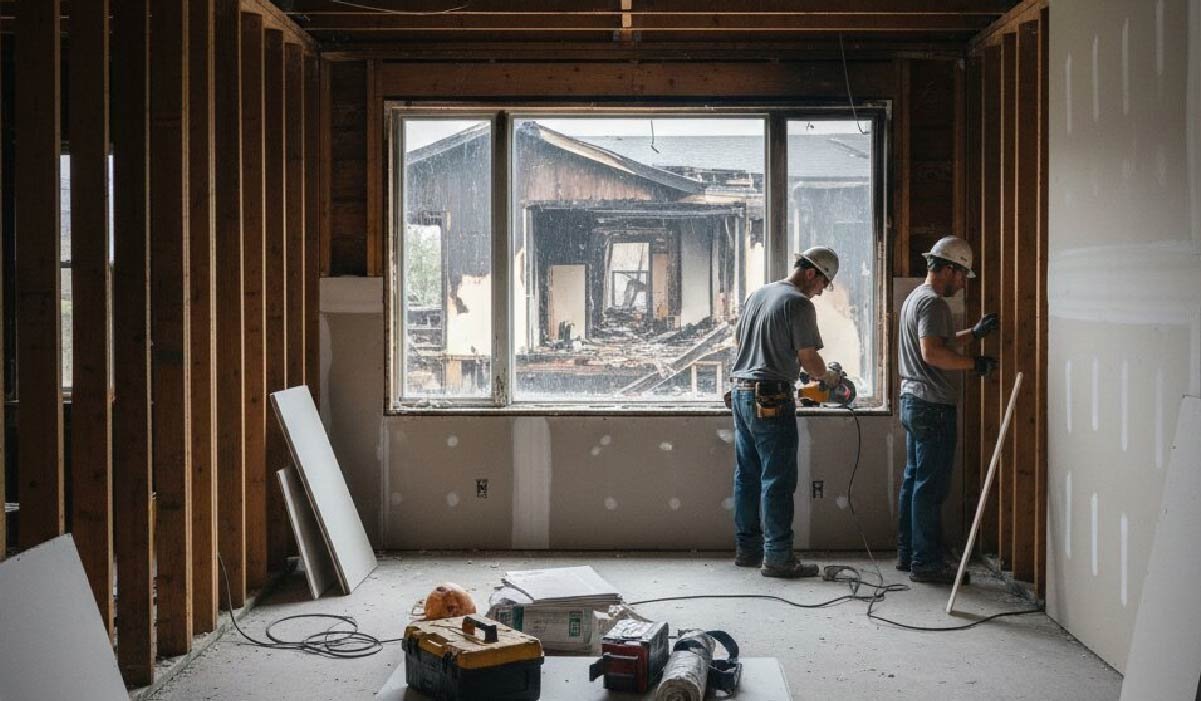
Fire can cause devastating damage to a property, affecting its structure, belongings, electrical systems, and overall safety. Even a relatively small fire can create serious problems because flames, smoke, soot, and the water used during firefighting can damage different parts of a building. Recovering from such an incident requires more than simply cleaning visible marks or replacing damaged furniture. It involves a detailed process of assessing the property, removing hazardous materials, addressing structural concerns, eliminating smoke odors, and restoring affected areas to a safe and functional condition. Understanding the recovery process helps property owners make informed decisions, avoid unnecessary expenses, and prevent additional damage. Professional restoration services can also make the process more organized by providing the equipment, technical knowledge, and experience needed to handle different types of fire-related damage.
Understanding the Different Types of Fire Damage
Fire damage can affect a property in several ways, and understanding these effects is essential before beginning any restoration work. The most obvious damage comes from direct flames, which can burn walls, ceilings, flooring, furniture, insulation, and structural materials. Depending on the temperature and duration of the fire, some materials may become completely unusable, while others may appear relatively intact but still have weakened structural properties. Heat can also cause paint to blister, windows to crack, metal components to warp, and plastic materials to melt or release harmful substances.
Smoke damage is another major concern because smoke particles can travel throughout a building, reaching rooms that were never directly exposed to flames. These particles may settle on walls, ceilings, carpets, curtains, furniture, and personal belongings. Smoke residue can cause discoloration, unpleasant odors, and deterioration of certain surfaces if it remains untreated. Different materials react differently to smoke exposure, which means cleaning methods must be selected carefully.
Soot is another byproduct of combustion that can create significant cleaning challenges. It consists of fine particles that may spread across surfaces and become embedded in porous materials. Improper cleaning can push soot deeper into fabrics, carpets, and wall finishes, making removal more difficult. In addition to these problems, firefighting activities often introduce large amounts of water into the property. This moisture can affect flooring, drywall, insulation, and wooden structures, creating conditions for mold growth if drying is delayed. A complete recovery plan must therefore address fire, smoke, soot, heat, and water damage together.
Why Immediate Action Is Important After a Fire
Taking appropriate action after a fire can significantly reduce the extent of property damage and make the restoration process easier. Although the first priority should always be personal safety, property owners should arrange a professional assessment as soon as emergency authorities confirm that the building is safe to enter. Delaying restoration can allow smoke residue, moisture, and other contaminants to cause further deterioration. Materials that might initially be salvageable may become permanently damaged if they are not treated promptly.
Smoke residue can be particularly destructive because its chemical composition varies depending on the materials that burned. Some residues are acidic and may corrode metal surfaces, damage electronic components, and discolor painted finishes. Delicate belongings, including photographs, fabrics, books, and decorative objects, may also experience permanent staining or odor absorption when left untreated. Professional cleaning techniques can help preserve these items when restoration begins early enough.
Water damage should also receive immediate attention because moisture can spread beyond the areas directly affected by firefighting activities. Water may collect beneath flooring, enter wall cavities, or become trapped inside insulation. These hidden moisture pockets can encourage microbial growth and weaken building materials. Rapid moisture assessment, water extraction, and controlled drying help prevent additional complications. Acting quickly also allows property owners to document the damage, contact their insurance provider, and begin planning the necessary repairs.
Conducting a Detailed Property Damage Assessment
A comprehensive inspection is the foundation of an effective restoration project. Before any major cleaning or repair work begins, professionals need to determine how extensively the fire has affected the property and which materials can be repaired or salvaged. The inspection generally covers visible structural damage, smoke contamination, soot deposits, water exposure, electrical systems, ventilation equipment, and personal belongings. This assessment helps establish the scope of work and determines which areas require immediate attention.
Structural components should receive particular attention because intense heat can compromise the strength of materials even when the damage is not immediately visible. Wooden beams may become charred or weakened, metal supports may experience heat-related deformation, and concrete surfaces may develop cracks or other signs of thermal stress. A qualified structural professional may be required to determine whether damaged components can safely remain in place or need replacement.
The inspection should also identify potential electrical hazards. Fire can damage wiring insulation, electrical panels, outlets, and connected appliances. Water used during firefighting may introduce additional electrical risks. Electrical systems should be evaluated by qualified electricians before power is restored or affected equipment is operated.
Photographs, written notes, and detailed inventories should be prepared during the assessment. This documentation provides a clear record of the property’s condition and helps property owners communicate with insurance representatives and restoration contractors. A thorough inspection prevents important damage from being overlooked and supports a more accurate repair plan.
The Importance of Professional Fire Damage Restoration
Recovering from a serious fire requires specialized knowledge, appropriate cleaning products, professional equipment, and a clear understanding of building materials. Professional fire damage restoration services help property owners address the different problems created by flames, smoke, soot, and water. Rather than focusing only on visible damage, experienced restoration teams evaluate the entire property and develop a recovery strategy that considers safety, structural condition, contamination, and long-term performance.
The restoration process usually begins with emergency measures designed to prevent additional damage. These may include securing exposed openings, removing standing water, isolating unsafe electrical areas, and protecting belongings that can be salvaged. Once the property is stabilized, technicians begin removing damaged materials and cleaning affected surfaces using methods appropriate for each material.
Professional teams also understand that different types of smoke residue require different cleaning approaches. Dry soot, oily deposits, and protein-based residues cannot always be treated with the same products or techniques. Selecting an unsuitable cleaning solution may spread contamination or permanently damage a surface. Trained technicians can identify the residue type and choose suitable methods to achieve better results.
Another advantage of professional assistance is the ability to coordinate multiple restoration activities. Structural repairs, odor removal, contents cleaning, drying, and reconstruction often require different specialists. An organized restoration plan helps ensure that these activities are completed in the correct sequence, reducing delays and improving the overall quality of the work.
Removing Smoke, Soot, and Persistent Odors
Smoke and soot removal is one of the most challenging stages of recovering a property after a fire. Smoke particles can travel through ventilation systems, settle inside cabinets, and penetrate porous materials such as carpets, upholstery, mattresses, and insulation. Even after visible residue has been removed, unpleasant odors may remain because microscopic particles can become trapped in materials and enclosed spaces.
The cleaning process generally begins with removing loose debris and soot using specialized equipment. Dry cleaning methods are often preferred for certain surfaces because introducing moisture too early can spread soot and make stains more difficult to remove. Depending on the affected material, technicians may use specialized vacuum systems, chemical sponges, detergents, or controlled wet-cleaning procedures.
Walls and ceilings may require several cleaning stages before they are ready for refinishing. In some cases, heavily contaminated drywall, insulation, or other porous materials cannot be cleaned effectively and must be removed. Furniture, curtains, clothing, and other household belongings may also require specialized treatment. Professional contents cleaning can help recover valuable items that would otherwise need to be discarded.
Odor elimination requires a separate approach because masking unpleasant smells with air fresheners does not remove the source of contamination. Restoration professionals may use air scrubbers with appropriate filtration, activated carbon systems, thermal fogging, or other specialized deodorization methods when suitable. These treatments should be selected according to the materials involved and the extent of contamination. Effective odor removal depends on addressing the underlying residue rather than simply covering up the smell.
Water Removal and Moisture Control After Firefighting
Although water is essential for extinguishing flames, firefighting activities can leave a property with significant moisture damage. Water may spread across floors, soak into carpets, collect beneath furniture, and enter wall cavities. If this moisture is not removed promptly, it can weaken building materials, damage electrical components, and create conditions that support mold growth.
The first stage of water recovery involves removing standing water using suitable extraction equipment. Industrial pumps and wet vacuums may be used depending on the amount of water present and the condition of the affected area. Once visible water has been removed, technicians assess moisture levels in floors, walls, ceilings, and other building components.
Professional drying equipment, including air movers and commercial dehumidifiers, helps remove remaining moisture. These machines are positioned strategically to improve airflow and control humidity. Moisture meters and other inspection instruments help technicians monitor drying progress and identify areas where water may remain hidden.
It is important not to assume that a surface is completely dry simply because it feels dry to the touch. Moisture trapped inside building materials may remain undetected without appropriate testing. Proper drying procedures reduce the risk of secondary damage and help prepare the property for cleaning, repairs, and reconstruction.
Repairing Structural Damage and Rebuilding Affected Areas
Once the property has been cleaned, dried, and assessed for safety, the reconstruction stage can begin. The extent of repair work depends on the severity of the fire and the condition of the building’s structural components. Minor incidents may require repainting, replacing damaged fixtures, and repairing isolated sections of drywall. More serious fires may require extensive rebuilding, including replacement of flooring, insulation, roofing materials, wall sections, electrical wiring, and structural supports.
Before reconstruction begins, damaged materials must be removed carefully. Charred wood, contaminated insulation, severely damaged drywall, and other unusable components may need to be disposed of according to applicable safety and waste-handling requirements. This stage should be completed systematically to prevent remaining debris from contaminating restored areas.
Structural repairs must follow appropriate building standards and professional recommendations. If supporting beams, roof trusses, or load-bearing walls have been affected, qualified specialists should determine the necessary repair or replacement work. Cosmetic improvements should never take priority over structural safety.
After essential repairs are completed, finishing work can restore the property’s original appearance or provide an opportunity to improve its design. This may include installing new flooring, applying fresh paint, replacing cabinets, upgrading lighting, and repairing decorative features. A carefully managed reconstruction process helps ensure that the restored property is both visually appealing and functionally reliable.
Protecting Furniture, Documents, and Personal Belongings
A fire can damage much more than the building itself. Furniture, clothing, electronics, photographs, documents, artwork, and sentimental possessions may all be affected by heat, smoke, soot, or water. While some belongings may be permanently destroyed, many items can potentially be recovered through appropriate cleaning and restoration techniques.
The first step is to separate salvageable possessions from items that are unsafe or beyond repair. Each category should be documented and handled according to its material composition and condition. Upholstered furniture may require specialized cleaning, while wooden furniture may need careful residue removal and refinishing. Clothing and washable fabrics can sometimes be treated using suitable laundering or professional textile-cleaning procedures.
Paper documents and photographs require particularly careful handling because excessive moisture, heat, and inappropriate cleaning products can cause irreversible damage. Specialized document recovery services may help restore certain records, photographs, and important papers. Electronic equipment should not be powered on after fire or water exposure until it has been inspected by qualified professionals, as internal contamination and electrical damage may create serious risks.
An organized inventory makes the recovery process easier and provides useful documentation for insurance purposes. Property owners should photograph damaged belongings, record relevant descriptions, and retain purchase information where available. This approach helps establish which items require professional cleaning, replacement, or further evaluation.
Understanding Insurance Claims and Restoration Documentation
Insurance coverage can play an important role in recovering financially after a fire. However, the claims process often requires detailed documentation, clear communication, and an understanding of the policy’s terms and conditions. Property owners should contact their insurance provider as soon as reasonably possible after the incident and follow the instructions provided for reporting the damage.
Photographs and videos should be taken of affected rooms, damaged materials, furniture, appliances, and personal possessions whenever it is safe to do so. A written inventory can help organize the information and reduce the possibility of overlooking important items. Receipts, invoices, maintenance records, and other relevant documents may also support the claim.
Restoration professionals can often provide inspection reports, photographs, estimates, and descriptions of the work required. These documents may help insurance representatives understand the extent of the damage and evaluate the proposed restoration plan. However, property owners should review their policy carefully because coverage limits, exclusions, deductibles, and documentation requirements vary between insurance providers.
It is advisable to keep copies of all communication, submitted documents, estimates, and repair invoices. Before authorizing major reconstruction work, property owners should understand which expenses are approved and whether additional inspections are required. Organized documentation helps make the claims process more transparent and reduces avoidable misunderstandings.
Preventing Mold Growth and Secondary Property Damage
One of the most important concerns following a fire is preventing additional damage after the flames have been extinguished. Moisture from firefighting activities, combined with damaged building materials and limited ventilation, can create favorable conditions for mold development. Mold may begin growing on damp surfaces when suitable environmental conditions are present, potentially creating indoor air quality concerns and additional repair expenses.
Prevention begins with identifying and removing excess moisture. Standing water should be extracted, wet materials should be dried promptly, and damaged porous materials that cannot be adequately restored should be removed. Professional moisture monitoring helps confirm whether the affected areas have reached suitable drying conditions before reconstruction begins.
Ventilation and humidity control are also important. Appropriate air movement and dehumidification can help reduce moisture levels, although equipment should be selected according to the condition of the property and any contamination concerns. Simply opening windows may not provide adequate drying, particularly when moisture has penetrated enclosed wall spaces or flooring systems.
Property owners should remain alert to signs of secondary damage, including musty odors, discoloration, peeling paint, swollen wood, and recurring dampness. Any suspected mold contamination should be assessed appropriately, especially when it affects large areas or involves concealed building materials. Addressing moisture problems early protects the restored property and helps prevent additional expenses.
Choosing the Right Restoration Company
Selecting an experienced restoration company is an important decision because the quality of the work can influence the property’s safety, appearance, and long-term condition. Property owners should look for professionals who have relevant experience handling fire, smoke, soot, and water damage. A qualified company should be able to explain its inspection process, restoration methods, equipment requirements, and expected project timeline.
Before hiring a contractor, it is useful to review previous projects, customer feedback, professional qualifications, and relevant certifications. Property owners should also ask whether the company has experience dealing with structural repairs, contents cleaning, odor removal, and moisture control. Some projects require several specialized services, so it is important to understand whether the contractor can coordinate the necessary work or will involve additional professionals.
Written estimates should clearly describe the proposed services, materials, labor requirements, and any additional charges that may arise. Contractors should explain which items can be restored and which are likely to require replacement. They should also provide realistic expectations about the time needed to complete each stage of the project.
When comparing restoration companies, the lowest quotation should not automatically be considered the best choice. Incomplete cleaning, inadequate drying, or poorly executed repairs can create problems that cost significantly more to correct later. A dependable company prioritizes safety, transparent communication, appropriate restoration techniques, and quality workmanship.
How Long Does the Restoration Process Take?
The time required to restore a property after a fire depends on several factors, including the size of the affected area, severity of the damage, construction materials, availability of equipment, and complexity of the required repairs. A minor incident involving limited smoke contamination may be addressed relatively quickly, while extensive structural damage can require several weeks or months of work.
The initial inspection and emergency stabilization stage may be completed within a short period, depending on property accessibility and safety conditions. Water extraction and structural drying may take several days or longer, particularly when moisture has penetrated walls, insulation, or flooring. Smoke and soot removal can also require multiple cleaning stages, especially when contamination has spread through ventilation systems or porous materials.
Reconstruction generally takes the longest when major building components need replacement. Electrical repairs, plumbing adjustments, structural rebuilding, inspections, and finishing work may need to be coordinated before the property is ready for occupancy. Delays can also occur because of insurance approvals, permit requirements, material availability, and specialist scheduling.
Property owners should request a realistic timeline from their restoration contractor and understand that unexpected findings may affect the original schedule. Prioritizing proper cleaning, drying, and safety inspections is more important than rushing the project to completion.
Practical Ways to Reduce the Risk of Future Fire Damage
Preventing future fire incidents is an important part of protecting a property after restoration. Although no building can be made completely immune to fire, responsible maintenance and suitable safety measures can significantly reduce potential risks. Property owners should regularly inspect electrical wiring, outlets, extension cords, heating equipment, and appliances for signs of damage or overheating. Faulty electrical components should be repaired or replaced by qualified professionals rather than handled through temporary fixes.
Smoke alarms should be installed in appropriate areas and tested regularly to ensure they are functioning correctly. Batteries and equipment should be maintained according to manufacturer recommendations. Fire extinguishers should also be available in suitable locations, and occupants should understand how to use them safely. However, people should never attempt to fight a fire that is spreading rapidly or creating an immediate threat to life.
Kitchens require particular attention because unattended cooking, overheated oil, and combustible materials near heat sources can create dangerous situations. Heating equipment should be used according to safety instructions, and flammable items should be kept away from open flames and hot surfaces. Electrical appliances should be disconnected when appropriate, and overloaded extension cords should be avoided.
Developing a household emergency plan is equally important. Everyone should understand available exit routes, designated meeting points, and emergency contact procedures. Regularly reviewing these arrangements can help occupants respond more effectively during an unexpected incident.
Conclusion: Restoring Your Property and Moving Forward With Confidence
Recovering from a fire can be a complicated experience, but a structured approach can make the process more manageable and reduce the risk of additional damage. From the initial property inspection and emergency stabilization to smoke removal, water extraction, structural repairs, and final reconstruction, every stage contributes to restoring a safe and comfortable environment. Addressing visible damage is important, but identifying hidden contamination, moisture, and structural problems is equally necessary for achieving reliable long-term results.
Professional expertise, appropriate equipment, quality materials, and careful project management can make a significant difference in the overall outcome. Property owners should prioritize safety, maintain accurate documentation, communicate with insurance providers, and select contractors who understand the technical requirements of fire recovery. Regular maintenance and practical prevention measures can further reduce the likelihood of similar incidents in the future.
Ultimately, successful fire damage restoration is about more than repairing walls and replacing damaged belongings. It is about rebuilding a property, protecting its occupants, and creating an environment that can be used confidently again. With timely action, professional support, and a well-planned recovery strategy, property owners can overcome the challenges caused by fire damage and move forward with greater peace of mind.
