

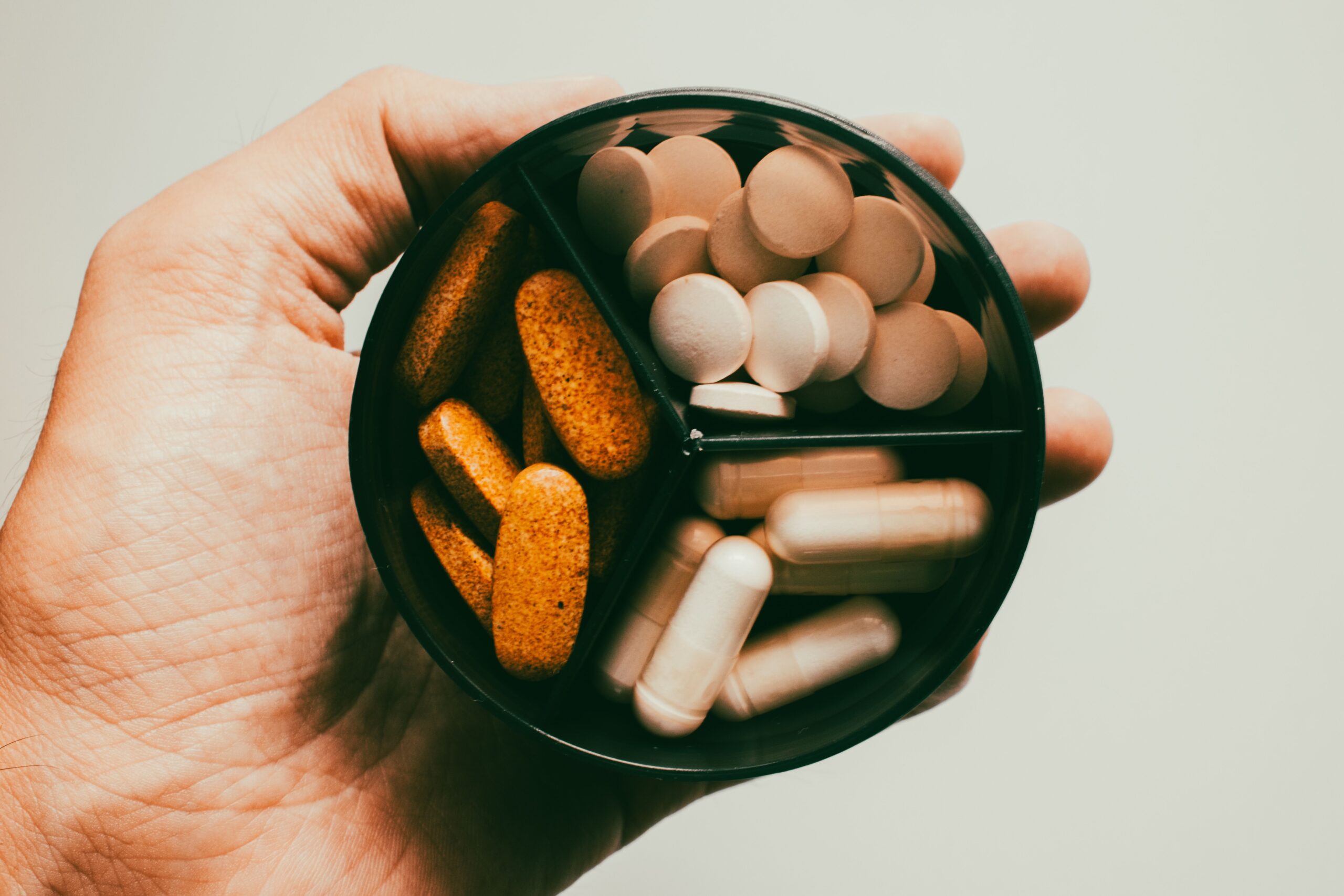
Trying to conceive can bring excitement, questions, and a desire to prepare your body for a healthy pregnancy. Choosing the right Fertility Supplements is one consideration, but understanding your nutritional needs matters just as much. Not every supplement suits every individual, and taking more nutrients doesn’t automatically improve fertility.
Preconception planning involves reviewing your diet, health history, lifestyle, and existing medications. Understanding what supplements can and cannot do helps you make informed decisions before trying to conceive. With appropriate guidance, you can focus on nutritional support while preparing for the next stage of your journey.
Essential Nutritional Considerations Before Trying to Conceive
Preparing for pregnancy involves understanding your nutrient needs, evaluating product quality, and discussing your health needs with a qualified healthcare professional.
1. Understanding Your Individual Nutritional Needs
Nutritional needs can vary based on diet, age, medical history, and existing nutrient deficiencies. Before choosing a supplement, consider whether your everyday meals provide enough folate, iron, vitamin D, iodine, and other essential nutrients.
- Review dietary habits: Identify nutritional gaps in your regular meals.
- Consider existing deficiencies: Discuss relevant blood tests with your healthcare professional.
- Personalize supplement choices: Choose products based on individual needs rather than general recommendations.
A healthcare professional can help determine which nutrients require additional attention before conception.
2. Prioritizing Folic Acid Before Conception
Folic acid is particularly important during preconception because it helps reduce the risk of neural tube defects in developing babies. These structures form during the earliest weeks of pregnancy, sometimes before someone realizes they are pregnant.
- Start at the recommended time: Many guidelines recommend 400 micrograms of folic acid daily for people planning pregnancy, beginning at least one month before conception.
- Check individual requirements: Some medical conditions and medications require different doses under professional supervision.
- Read product labels: Confirm the amount of folic acid provided by your chosen supplement.
Discuss your circumstances with a healthcare professional to determine the appropriate dose and timing.
3. Checking Supplement Quality and Ingredients
Supplement labels can contain several vitamins, minerals, herbal ingredients, and proprietary blends. Understanding these ingredients helps you avoid unnecessary duplication and identify products that suit your nutritional needs.
- Review ingredient lists: Check the amount of each nutrient rather than relying on marketing claims.
- Avoid excessive doses: High intakes of certain vitamins and minerals can cause harm.
- Check product credibility: Choose products from reputable manufacturers with clear labeling and quality information.
Professional guidance is particularly valuable when comparing products marketed for fertility support.
4. Reviewing Conceive Pills and Their Claims
Products marketed as Conceive Pills may promise reproductive health support, but their ingredients and evidence vary widely. No supplement can guarantee conception, and some products lack strong evidence demonstrating fertility benefits.
- Examine the evidence: Ask whether clinical research supports the product’s specific claims.
- Review potential interactions: Supplements can interact with prescription medicines and existing treatments.
- Seek professional advice: Discuss suitability before beginning a new product, particularly if you have a medical condition.
Avoid relying on promotional claims alone when making reproductive health decisions.
5. Considering Lifestyle Alongside Supplementation
Supplements are only one part of preparing for pregnancy. Everyday habits, including balanced nutrition, sleep, physical activity, and avoiding tobacco, can contribute to general health and wellbeing.
- Eat a balanced diet: Include vegetables, fruits, whole grains, protein sources, and healthy fats.
- Maintain regular activity: Choose physical activity appropriate for your health and circumstances.
- Review everyday habits: Discuss alcohol, smoking, caffeine, and medication use with your healthcare professional.
Combining healthy habits with personalised nutritional guidance creates a more comprehensive approach to preconception care.
Building a More Informed Preconception Nutrition Plan
A thoughtful supplement routine begins with understanding your health needs instead of purchasing multiple products based on general fertility claims.
- Review Existing Medication: Tell your healthcare professional about prescription medicines, over-the-counter products, and herbal supplements.
- Check Nutrient Overlap: Taking several products together can unintentionally increase your intake of certain vitamins or minerals.
- Understand Medical History: Conditions affecting nutrition, hormones, or reproductive health may influence your recommendations.
- Plan Ahead: Arrange a preconception appointment to discuss vaccinations, screening, nutrition, and other pregnancy preparations.
- Monitor Your Routine: Review your supplement choices when your circumstances or healthcare recommendations change.
These steps can help you approach preconception planning with greater clarity while avoiding unnecessary supplementation.
Making Fertility Supplements Part of a Personalised Plan
Choosing suitable nutritional support involves more than comparing prices or selecting products promoted for conception. Your nutritional needs, medical history, dietary habits, and current medications all influence which options may be appropriate. Some nutrients, particularly folic acid, have established roles in preconception care, while evidence supporting many products marketed specifically to improve fertility remains limited.
Before adding Fertility Supplements to your routine, consult a qualified healthcare professional who can identify potential deficiencies, recommend appropriate doses, and explain possible interactions. People with irregular periods, known reproductive conditions, or concerns about conception may also benefit from an individual medical assessment. A personalised approach keeps nutritional support focused on established needs rather than unverified promises.
Start Your Pregnancy Preparation Journey With Mylo
Preparing for pregnancy can feel more manageable when health information, personal planning, and educational resources come together in one place. Tracking menstrual cycles, recording symptoms, and organizing appointments can help you understand your routine and prepare relevant questions for healthcare consultations. Digital tools can also support informed conversations with healthcare professionals.
Exploring a Mylo pregnancy app download can introduce you to resources designed to support family planning and pregnancy-related learning. Mylo offers information to help users navigate different stages of their journey. Before choosing an app, review its features, privacy practices, and whether it fits your needs. Remember that digital resources complement, rather than replace, professional medical advice and personalized healthcare guidance.
Conclusion: Making Daily Pregnancy Planning More Organized
Digital tools can make it easier to organize relevant information, follow educational content, and keep track of important dates throughout the reproductive journey. These resources support people exploring fertility, pregnancy, and parenting by bringing useful information together in one accessible place.
When choosing a Daily Pregnancy App, consider clear educational content, practical tracking features, and transparent privacy practices. Mylo offers digital resources for different stages of family planning, helping users access information suited to their needs. Remember that cycle predictions are estimates and cannot confirm ovulation or pregnancy. Combine digital tools with appropriate healthcare guidance to make informed decisions about supplements, nutrition, and reproductive wellbeing.
