

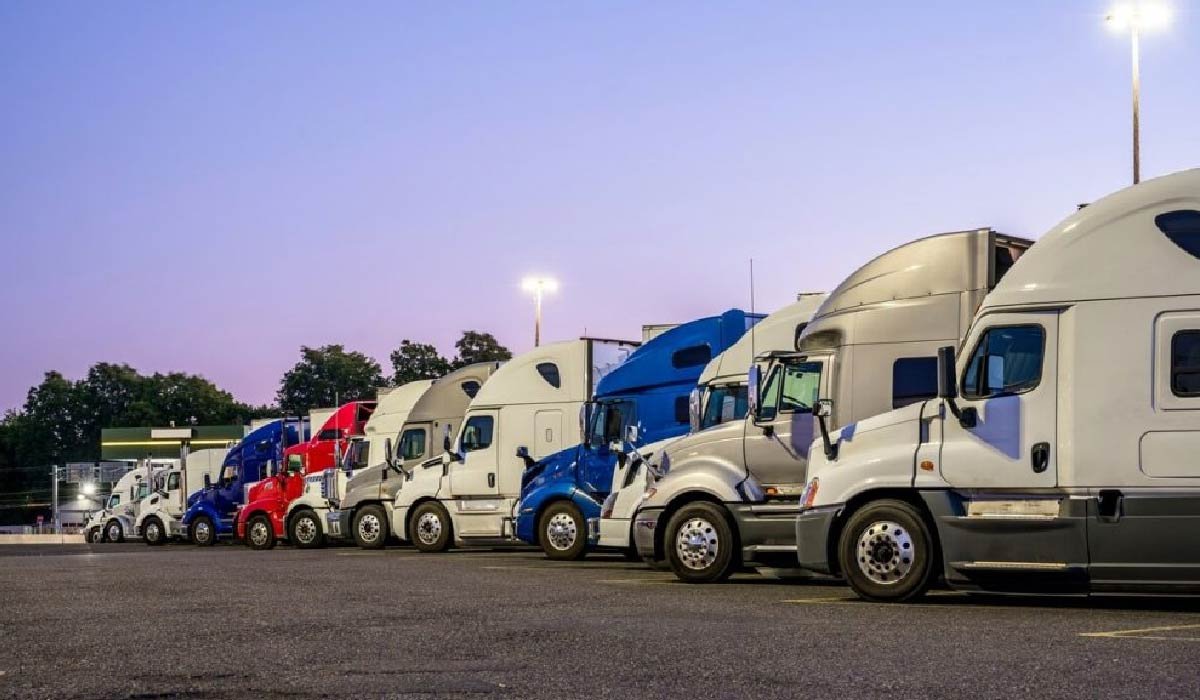
Bobtail trucks are an important part of commercial trucking operations. A bobtail truck typically refers to a semi-truck tractor operating without an attached trailer. Drivers may need to park these vehicles after dropping off a trailer, before collecting another load, or when returning to a regular operating location. Finding a suitable parking space helps drivers manage their schedules and keeps daily operations organized.
However, not every parking facility that accommodates passenger vehicles or smaller commercial vehicles can handle a semi-truck tractor. Drivers need to consider access routes, maneuvering space, parking rules, vehicle dimensions, and the duration of their stay before selecting a location.
Whether you are an owner-operator or a fleet manager, understanding how to evaluate parking options can make planning easier. Commercial parking resources and online platforms can also help drivers explore potential spaces before arriving.
1. Understanding Bobtail Truck Parking Needs
A bobtail truck has different parking requirements from a tractor-trailer combination. Although removing the trailer reduces the vehicle’s overall length, the tractor still requires sufficient space for safe entry, positioning, and exit.
Bobtail truck parking may be needed in several situations. A driver might finish a delivery and leave the trailer at a designated facility, return to a depot without a trailer, or wait for the next assignment. Trucking companies may also need designated spaces for tractors that are temporarily idle or undergoing routine operational checks.
When looking for a suitable space, consider:
- The tractor’s length, width, and turning radius.
- The entrance and exit layout of the property.
- Whether the facility accepts bobtail tractors.
- Parking duration and access hours.
- The property’s pricing and booking requirements.
- Any restrictions on commercial vehicle parking.
Checking these details in advance can help drivers avoid arriving at a location that cannot accommodate their vehicle.
2. Look for Parking Near Your Regular Routes
Location can significantly influence the practicality of a parking space. Drivers often need parking near freight corridors, industrial areas, distribution centers, warehouses, and trucking hubs. A convenient location can reduce unnecessary travel and help drivers prepare for their next assignment.
When comparing locations, consider how easily the truck can reach the property from the main route. Some facilities may be close to a highway on a map but require navigating unsuitable roads or restricted entrances.
Before selecting a location, check:
- Distance from the next pickup or delivery.
- Access routes suitable for commercial trucks.
- Any local restrictions affecting truck movement.
- Entry procedures and operating hours.
- Whether the parking arrangement supports your expected schedule.
Drivers should also distinguish between parking at a commercial facility and stopping in an area where truck parking may be restricted. Local regulations and property rules can vary, so confirm that the intended parking arrangement is permitted.
Choosing a practical location can help make daily scheduling more predictable.
3. Check Space Dimensions and Maneuverability
Even without a trailer, a semi-truck tractor needs enough room to maneuver. Tight entrances, narrow lanes, low-clearance structures, and limited turning areas can make a parking location unsuitable.
Before booking a space, review the property’s dimensions and available information. If measurements are not provided, contact the property operator and explain that you need space for a bobtail tractor.
Important considerations include the width of the parking space, the surface condition, turning room, and clearance around nearby vehicles or structures. Drivers should also confirm whether the facility has designated areas for commercial tractors rather than assuming any available space can be used.
If you plan to connect to a trailer later, consider whether the location makes it practical to leave and reach the next pickup point. A parking space that is convenient for a short stop may not be ideal for recurring use.
Careful evaluation helps reduce the likelihood of access problems and unnecessary delays.
4. Compare Short-Term, Weekly, and Monthly Options
Parking needs differ depending on the driver’s schedule and business model. Some drivers require a space for a few hours, while others need overnight parking after a shift. Owner-operators may also need a recurring space near home or their regular operating area.
When comparing options, consider how long the tractor will remain parked and how frequently you expect to use the location.
Short-term arrangements may suit temporary waiting periods or gaps between assignments. Weekly or monthly options may be worth investigating if the truck returns to the same area regularly.
Ask the property operator whether the parking period can be extended, whether advance reservations are required, and whether the agreement allows repeated entry and exit. Also confirm the cancellation policy and any additional charges.
Planning the expected duration before booking can help drivers compare costs more accurately and avoid paying for an arrangement that does not fit their needs.
5. Review Property Conditions and Parking Rules
A suitable parking facility should meet the vehicle’s practical requirements and provide clear terms of use. Before committing to a space, review the property’s available photographs, description, access rules, and other relevant information.
Depending on the facility, useful details may include lighting, fencing, controlled entry, monitoring, and on-site personnel. These features vary by property and should be verified rather than assumed.
Drivers should also understand any restrictions involving idling, overnight stays, access hours, or the types of commercial vehicles accepted. If the tractor belongs to a fleet, check whether the property requires vehicle identification or advance registration.
For recurring parking needs, clear rules are particularly important. A location that allows parking at one time of day may have different access procedures during other periods.
Reviewing the conditions before arrival helps drivers make informed decisions and reduces the chance of unexpected issues.
6. Manage Parking Costs and Operating Expenses
Parking is one of the expenses commercial operators may need to account for when managing their vehicles. Rates can differ according to location, duration, property features, and the terms of the arrangement.
Instead of comparing prices alone, consider the total cost of using the facility. A lower rate may be less attractive if reaching the property requires a significant detour or creates scheduling difficulties.
When evaluating options, compare daily, weekly, and monthly rates where available. Review minimum booking periods, cancellation terms, additional fees, and any conditions that could affect the final cost.
Fleet managers can track parking expenses by vehicle, location, and duration to identify recurring needs. This information can help businesses plan budgets and decide whether a regular parking arrangement is appropriate.
The objective is to find a practical balance between cost, convenience, access, and suitability for the vehicle.
7. Use a Truck Parking Marketplace to Explore Options
Searching for commercial parking can involve reviewing individual property websites, contacting operators, and comparing details across several sources. This can be time-consuming when drivers are unfamiliar with an area or need parking on a changing schedule.
A truck parking marketplace can make the initial search more organized by helping commercial vehicle operators discover potential parking locations and review available property information.
When using a marketplace, focus on the details that matter to your situation. Check whether the listing accepts bobtail tractors, where the property is located, how long parking is permitted, and what pricing or access conditions apply.
A marketplace can be useful for:
- Owner-operators searching for parking between assignments.
- Drivers who need a recurring location near their operating area.
- Fleet managers coordinating parking for multiple tractors.
- Trucking companies evaluating parking near warehouses and freight routes.
- Operators comparing alternatives before choosing a facility.
Listings should always be checked carefully. Confirm availability, vehicle suitability, and the property’s terms before relying on a space.
8. Top Companies in Commercial Truck and Trailer Parking
Commercial drivers can explore different services when researching parking locations. The following platforms and resources are potential starting points for comparing options.
1. Stackkly
Stackkly is a commercial truck and trailer parking marketplace designed to help drivers, owner-operators, fleet managers, trucking companies, and logistics businesses find and book parking opportunities. Its commercial focus makes it relevant to operators seeking spaces for different types of commercial trucks and trailers.
Drivers looking for bobtail parking can use Stackkly to explore potential locations and review the information provided for individual properties. Before booking, they should verify that a particular space accommodates a tractor without an attached trailer and meets their access and duration requirements.
2. Truck Parking Club
Truck Parking Club connects truck drivers with parking locations. Operators can explore its offerings and review individual property details to determine whether a location suits their commercial vehicle requirements.
3. Park My Truck
Park My Truck is associated with truck parking resources for commercial drivers. Drivers can investigate its available information when researching potential parking locations and comparing options.
4. Truck Parking USA
Truck Parking USA is another resource commercial drivers may encounter while researching parking. Operators should review current listings and applicable property terms to determine whether a particular location is appropriate.
Availability, pricing, amenities, and booking procedures can vary by platform and property. Confirm the relevant details before traveling to a location.
9. Make Parking Part of Your Fleet Planning
Parking is easier to manage when it is included in trip and fleet planning rather than handled at the last minute. Drivers can identify suitable locations near regular routes, record important property details, and keep alternative options available.
For fleet managers, organizing parking information by location and vehicle type can help simplify dispatch decisions. A list of verified facilities may be particularly useful when a tractor returns without a trailer or needs to remain parked while awaiting another assignment.
Review your parking arrangements periodically as routes, schedules, and operating requirements change. Confirm that each location still meets your needs, and check current availability before relying on a previous option.
Conclusion
Finding suitable parking for a bobtail tractor requires more than identifying an empty space. Drivers should consider access, maneuverability, location, property conditions, parking duration, and total cost before making a decision.
Using a commercial parking platform can help organize the search and make it easier to compare potential locations. Stackkly supports commercial vehicle operators by providing a marketplace for exploring truck and trailer parking opportunities.
Whether you need a space between loads or a recurring parking location for your business, planning ahead and verifying property details can help make parking decisions more efficient and predictable.
