

A freshly painted exterior, new windows, and an inviting front entrance can make an older house feel completely transformed. Yet these improvements share an important vulnerability: they depend on the building remaining protected from the weather.
A small roof leak can eventually damage insulation, stain new ceilings, and compromise freshly renovated walls. Poor drainage can undermine landscaping, while inadequate attic ventilation may contribute to moisture problems that decorative upgrades cannot solve.
Home improvement works best when homeowners consider how different parts of a property interact. Rather than approaching every renovation as an isolated project, understanding these connections helps protect existing investments and avoid unnecessary repairs.
Inspect the Roof Before Investing in Interior Renovations
Interior renovations can become expensive when homeowners overlook problems above the ceiling.
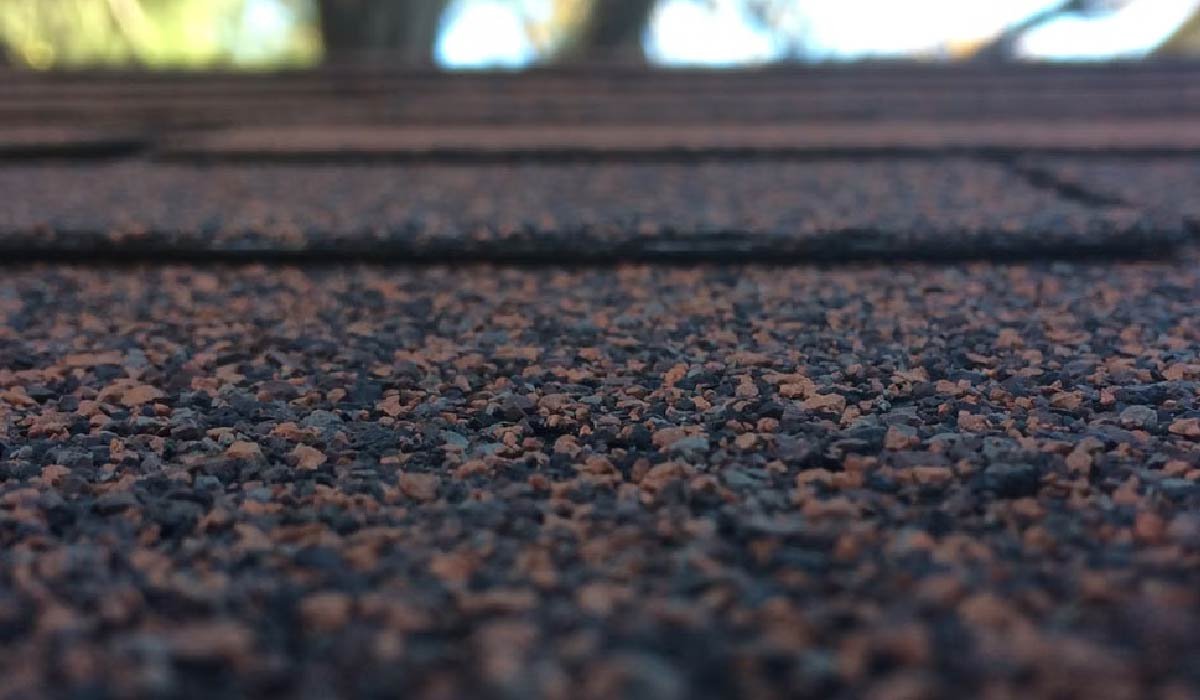
Water entering through damaged shingles, deteriorated flashing, or poorly sealed roof penetrations may travel through structural components before becoming visible indoors.
A small ceiling stain could therefore indicate a larger moisture problem.
Before beginning major improvements, consulting an experienced roofer can help homeowners understand whether the existing roofing system requires maintenance, targeted repairs, or replacement.
A professional assessment should consider the condition of roofing materials, flashing, drainage components, and vulnerable areas around chimneys or skylights.
Homeowners should request photographs and clear explanations of any recommended work.
Not every aging roof needs immediate replacement. Sometimes, addressing isolated defects can extend its useful life.
However, widespread deterioration may justify a more comprehensive investment.
Resolving these concerns before installing new insulation, drywall, or flooring helps protect the renovation budget from avoidable water damage.
Replace Gutters Before Landscaping Around the House
Landscaping upgrades can improve curb appeal, but their success depends partly on how rainwater moves around the property.
Damaged or clogged gutters may overflow during heavy rainfall, allowing water to collect near foundations and planting beds.
Over time, this can contribute to soil erosion, deteriorating exterior finishes, and unwanted moisture around the house.
Before investing in expensive landscaping, homeowners should inspect gutters and downspouts.
Look for sagging sections, visible leaks, and areas where water spills over the edges.
Downspouts should direct runoff away from vulnerable structures without creating problems for neighboring properties.
Gutter guards may reduce certain maintenance demands, but periodic cleaning remains necessary.
Coordinating drainage improvements with landscaping work can prevent newly installed plants, pathways, and decorative features from being damaged by recurring water problems.
Consider Skylights Before Finalizing Interior Lighting
Natural light can make a room feel larger, brighter, and more inviting.
Homeowners renovating dark hallways, kitchens, or upper-floor rooms may consider skylights as an alternative to relying entirely on artificial lighting.
However, installing a skylight involves more than cutting an opening in the roof.
Structural framing, roof pitch, flashing, insulation, and water management all influence the installation.
Poorly designed openings can create unwanted heat gain, condensation, or moisture intrusion.
Homeowners should also consider the direction of sunlight and how it changes throughout the day.
A skylight that improves winter brightness might introduce excessive afternoon heat during warmer months.
When roof replacement is already planned, coordinating skylight installation may reduce duplicated work.
The objective is comfortable daylight without creating additional maintenance or energy problems.
Address Attic Conditions Before Adding More Insulation
Insulation improvements can help maintain comfortable indoor temperatures, but they don’t operate independently of the rest of the building.
Air leaks around attic hatches, wiring penetrations, and other openings may allow conditioned air to escape.
Adding insulation without addressing these gaps can limit the improvement.
Moisture management is equally important.
In some homes, inadequate ventilation or uncontrolled indoor air leakage can contribute to condensation within attic spaces.
Homeowners should assess existing insulation, air sealing, and ventilation together before making changes.
The appropriate approach depends on the home’s construction and local climate.
An energy assessment can help identify where improvements are likely to provide meaningful benefits.
Careful planning supports better comfort while reducing the likelihood of hidden moisture problems.
Coordinate Solar Installation With Roof Maintenance
Solar panels can be an attractive improvement for homeowners interested in generating electricity on their properties.
However, the condition of the roof beneath the panels deserves attention before installation.
If roofing materials are approaching the end of their service life, future replacement may require temporarily removing and reinstalling the solar equipment.
That additional work can increase project costs.
Homeowners should arrange a roof assessment before committing to installation.
Structural capacity, roof orientation, shading, and the condition of existing materials all influence suitability.
Electrical requirements and local permitting rules also need consideration.
Solar installation should include appropriate mounting and weatherproofing methods to protect the roofing system.
Coordinating both projects can make long-term maintenance easier and help homeowners avoid unnecessary disruption.
Choose Exterior Materials That Work Together
A home’s exterior is made up of connected surfaces rather than independent decorative features.
Roofing, siding, windows, doors, and trim must work together to resist weather exposure.
Replacing one component without considering adjacent materials can create gaps in the building’s protective system.
For example, improperly installed flashing around a window may allow water behind otherwise durable siding.
Likewise, poorly managed roof runoff can repeatedly expose exterior walls to moisture.
Before selecting finishes, homeowners should consider installation details, maintenance requirements, and material compatibility.
Color coordination matters for curb appeal, but weather resistance and proper construction deserve greater priority.
An attractive exterior should also be durable enough to protect the structure through changing seasons.
Improve Outdoor Spaces Without Overlooking Drainage
Decks, patios, and outdoor seating areas can extend usable living space.
However, poorly planned construction may interfere with drainage or direct water toward the building.
Before adding a deck or patio, homeowners should evaluate the slope of the surrounding ground.
Water should move away from vulnerable foundations and exterior walls.
Deck connections require particular attention because improper attachment can create structural and moisture-related problems.
Material selection also affects maintenance.
Wood may require periodic refinishing, while composite products have different cleaning and installation considerations.
Outdoor lighting, shade, and convenient access can improve comfort, but structural safety should come first.
A successful outdoor upgrade should make the property more enjoyable without introducing problems that affect the house itself.
Create a Renovation Schedule That Prevents Repeated Work
Home improvement projects often become unnecessarily expensive because homeowners complete them in the wrong order.
Painting interior walls before repairing a leak may lead to repeated finishing work.
Installing solar panels before addressing an aging roof can create additional labor later.
Replacing landscaping before correcting drainage problems may also waste money.
A practical renovation plan should begin with identifying structural concerns, moisture problems, and essential repairs.
Next, determine which improvements depend on other work being completed first.
Obtain detailed estimates, clarify permit requirements, and allow room in the budget for unexpected discoveries.
Homeowners should also distinguish urgent repairs from upgrades that can reasonably wait.
Coordinating contractors and construction schedules can reduce disruption and protect completed improvements.
Ultimately, the best home improvement strategy isn’t about making every visible surface look new.
It’s about strengthening the systems that keep the property comfortable, functional, and protected.
When homeowners address underlying weaknesses before investing in cosmetic changes, their renovations are more likely to deliver lasting value.
