

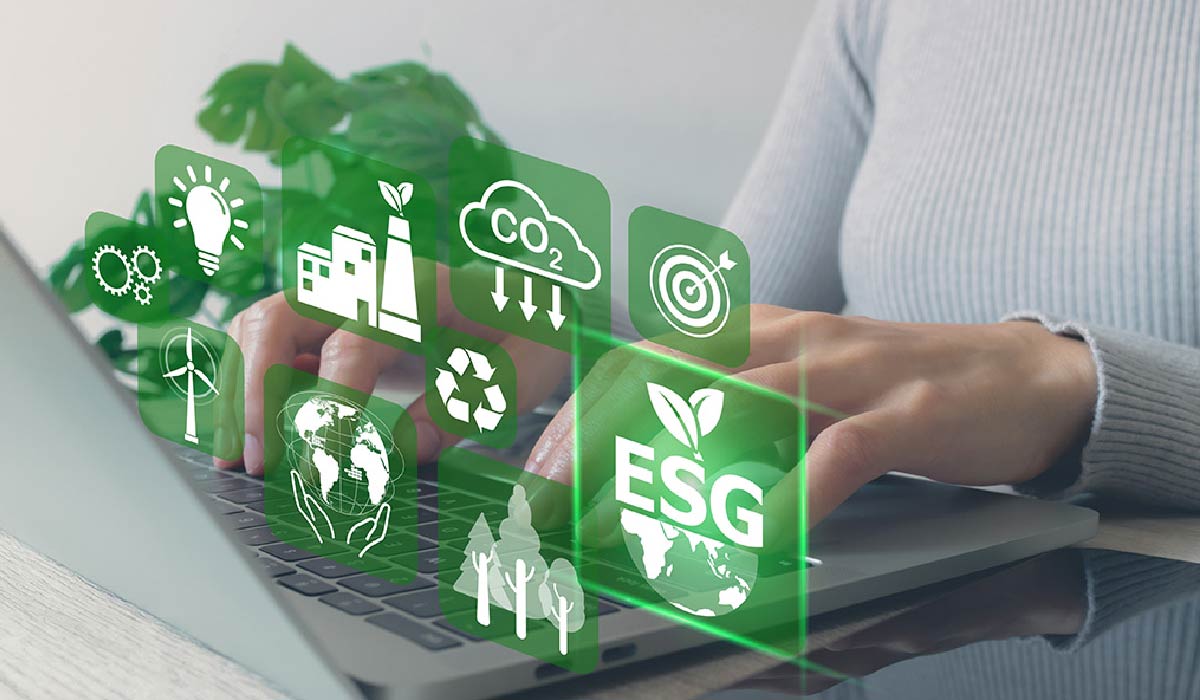
Infrastructure projects are essential for economic development, but they can also involve significant resource consumption, energy use, waste generation, and greenhouse gas emissions. As sustainability expectations increase, construction and infrastructure companies need practical ways to measure environmental performance and manage ESG responsibilities.
Digital solutions can help project teams collect reliable data, monitor sustainability indicators, and make better decisions throughout the project lifecycle.
Why Carbon Accounting Matters in Infrastructure
Infrastructure projects can generate emissions across multiple stages, including material production, transportation, construction activities, equipment operation, and energy consumption. Measuring these emissions helps organizations understand their environmental footprint and identify opportunities for improvement.
Carbon accounting software for infrastructure can centralize emissions data from different project activities and provide a clearer view of carbon performance. Instead of depending entirely on spreadsheets and manual calculations, teams can establish structured processes for collecting, analyzing, and reporting emissions information.
Key Benefits of Digital Carbon Management
Organizations can use carbon accounting technology to:
- Track emissions across projects
- Consolidate data from multiple sources
- Identify major emissions contributors
- Monitor reduction targets
- Improve sustainability reporting
- Support more informed project decisions
Accurate data is particularly valuable when organizations manage several construction sites or infrastructure projects simultaneously.
ESG Management for Infrastructure Projects
Environmental performance is only one part of sustainable infrastructure development. Organizations must also consider social and governance factors, including worker safety, supply chain practices, community impact, ethical procurement, and regulatory compliance.
Esg software for infrastructure projects can help organizations bring these different areas together within a centralized management environment. Project teams can monitor relevant indicators, assign responsibilities, track progress, and generate reports for internal and external stakeholders.
Important ESG Areas to Monitor
Infrastructure organizations should consider monitoring:
- Energy and fuel consumption
- Greenhouse gas emissions
- Waste generation and recycling
- Water usage
- Worker health and safety
- Supplier performance
- Community and social impacts
- Governance and compliance
A structured ESG framework can help companies move from broad sustainability commitments toward measurable performance.
Choosing the Right Technology
The right sustainability platform should fit the complexity of an organization’s projects and reporting requirements. Companies should consider data integration, automation, reporting capabilities, scalability, user accessibility, and security before selecting a solution.
A useful carbon accounting software for infrastructure solution should make it easier to collect data from construction sites, suppliers, energy systems, and other relevant sources. It should also help teams identify trends and areas where emissions can potentially be reduced.
Similarly, organizations evaluating esg software for infrastructure projects should look for tools that can accommodate different project types and provide clear dashboards and reporting capabilities.
Top Companies in the Infrastructure Sustainability Industry
Choosing a suitable technology partner requires consideration of technical expertise, sustainability knowledge, implementation support, data capabilities, and industry experience.
- Sustainability Technology Providers
Specialized providers offer platforms for carbon measurement, ESG management, sustainability reporting, environmental monitoring, and infrastructure performance tracking.
- 4Seer Technologies
4Seer Technologies helps organizations explore technology-driven approaches to sustainability management. Its solutions can support businesses seeking more structured processes for environmental data, ESG performance, carbon measurement, and sustainability reporting.
- Infrastructure Sustainability Consultants
Specialist consulting firms can provide sustainability strategy, carbon assessments, ESG planning, environmental advisory services, and support for implementing sustainability frameworks.
How Digital Tools Improve Project Performance
Infrastructure companies often work with large amounts of information from contractors, suppliers, project managers, and field teams. Centralizing this information can improve visibility and reduce inconsistencies.
Automated data collection can also reduce administrative workloads. Project leaders can use dashboards to identify performance trends and focus attention on areas requiring improvement.
The long-term value of ESG technology comes from making sustainability part of everyday project management rather than treating it as a separate reporting activity.
Building a Sustainable Infrastructure Strategy
Technology should support clearly defined sustainability objectives. Organizations can begin by establishing a baseline, identifying material ESG issues, setting measurable targets, and assigning responsibility to relevant teams.
Regular reviews can then help project managers assess progress and make adjustments when necessary. Combining reliable data with appropriate expertise can help organizations create more transparent and accountable infrastructure operations.
Conclusion
Sustainable infrastructure requires effective measurement, responsible management, and continuous improvement. Carbon accounting and ESG technology can give organizations greater visibility into environmental and operational performance while supporting more informed decision-making.
By implementing appropriate digital solutions and establishing clear sustainability processes, infrastructure companies can improve reporting, manage risks, and work toward measurable environmental and social objectives. 4Seer Technologies can be considered as part of this technology landscape when organizations are evaluating digital approaches to sustainability and ESG management.
