

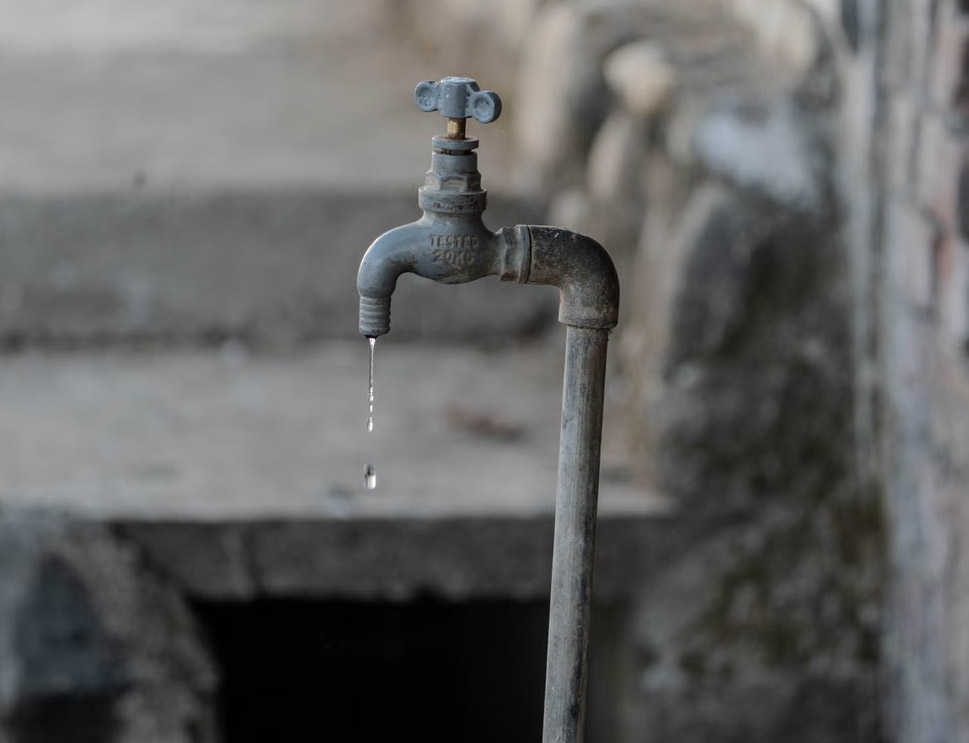
Most plumbing problems begin quietly. Water runs a little slower, a ceiling develops a faint stain, or a bill rises without explanation. The Environmental Protection Agency estimates that leaks in an average household waste more than 9,300 gallons of water each year. Not every leak means pipes need replacing, but recurring clues deserve attention. Knowing how to recognize them helps homeowners choose between a manageable repair and a larger plumbing upgrade before an emergency makes the decision for them.
When Water Changes Color, Look for the Cause
Rust-colored or yellowish tap water can signal corrosion, particularly in older metal supply lines. However, discoloration also occurs after utility maintenance or disturbances in the water distribution system.
Notice whether the color appears at one faucet or throughout the house, whether it affects hot and cold water, and how often it returns. These details help distinguish a fixture problem from a broader concern.
Persistent discoloration deserves professional evaluation and, where appropriate, water quality testing. Don’t assume that clear water guarantees healthy plumbing, either. Some failing pipes leak without changing the water’s appearance.
Repeated Leaks Change the Repair Conversation
One leaking connection might be an isolated fault. Several leaks in different rooms suggest the overall system deserves a closer examination, particularly when pipes are aging or made from materials associated with known failure patterns.
This is where the discussion may shift from individual patches to whole-home repiping. The linked service focuses on replacing active hot and cold water-supply lines throughout a home, rather than continuing to fix one failed section at a time. Its stated scope also includes new shutoff valves, pressure testing, and restoration of wall and ceiling openings after installation.
That approach can be appropriate when recurring failures make isolated repairs unreliable. It is not automatically necessary after a single leak. The best decision follows an assessment of pipe material, condition, accessibility, and the likelihood of further damage.
Weak Flow Can Reveal More Than a Clogged Faucet
A shower that gradually loses force may be frustrating, but the first explanation is not necessarily a damaged pipe.
If water flow has weakened at several fixtures, the investigation should go further. Corrosion and mineral deposits can restrict the inside of older pipes, while hidden leaks may also affect performance.
A plumber can compare pressure and flow at different points and determine whether the issue is local or widespread. That distinction matters: replacing a faucet part is a very different project from replacing deteriorated supply lines.
Look for Moisture Where It Does Not Belong
Water escaping behind walls can leave subtle traces. Paint may bubble, baseboards may swell, or flooring may warp before anyone discovers the source. A persistent musty odor can also indicate trapped moisture, although plumbing is only one possible cause.
Check beneath sinks, around appliance connections, and near accessible pipe runs. Look for fresh staining or damp materials, but avoid opening walls or handling wet electrical fixtures yourself.
The Environmental Protection Agency’s home maintenance guidance recommends regularly checking for leaks and addressing them promptly. Catching a problem early can limit water waste and reduce the chance that repairs will expand into damaged drywall, cabinets, or flooring.
A Rising Water Bill Deserves Investigation
Unusual water use is worth checking even when fixtures seem to function normally. Compare current bills with previous months and consider changes in household occupancy, irrigation, or appliance use before concluding that a hidden pipe is leaking.
A simple meter check can provide another clue. Turn off water-using appliances and fixtures, record the meter reading, and check again after a period without water use. A change may indicate a leak, although it will not reveal its location.
An informative guide to leak detection and flow monitoring explains how sensors and monitoring systems can alert homeowners to irregular use or unexpected moisture. These tools support early detection; they do not replace professional diagnosis.
Pipe Age Matters, but Condition Matters More
Older houses may contain galvanized steel, copper, polybutylene, or a mixture of materials installed during different renovations. Each system has its own vulnerabilities, and installation quality and water chemistry influence how long it performs well.
Age is therefore a useful question, not a diagnosis. A decades-old pipe that has remained sound may require monitoring, while newer piping with repeated failures could justify replacement.
Ask a plumber to identify accessible pipe materials and explain whether visible deterioration suggests a systemwide problem. Keep records of prior leaks and repairs. A documented pattern is more persuasive than assuming that every old house needs new pipes immediately.
Compare the Full Cost, Not Just Today’s Invoice
A small repair often costs less upfront and may be entirely sufficient. But frequent emergency calls, repeated wall openings, and restoration of water-damaged finishes can make ongoing patchwork expensive.
Request a written evaluation explaining which lines are affected, what replacement would include, how water service will be managed, and who restores walls afterward. Compare material choices, warranties, project disruption, and expected reliability instead of focusing only on the initial quote.
If you plan a remodel, coordinating access to plumbing with other work may reduce duplication. Avoid replacing functioning pipes without evidence simply because the walls are open.
Give Your Plumbing a Practical Maintenance Plan
Good maintenance does not mean watching every faucet nervously. It means recognizing changes and keeping information organized. Save bills, photograph suspected damage, and note when pressure problems or leaks first appeared.
Know where the main shutoff valve is and make sure household members can locate it. Arrange an inspection when symptoms recur, or the plumbing history is uncertain. If active leaking threatens electrical equipment or causes significant damage, prioritize safety and professional help.
Replacing pipes can be a substantial project, but ignoring repeated warnings may cost more in disruption. The sensible goal is neither panic nor endless patching. It is understanding the system well enough to make a planned decision before a hidden problem forces an urgent one and threatens your home investment.
Read More: Quality Party Rentals for Stress-Free Event Planning
