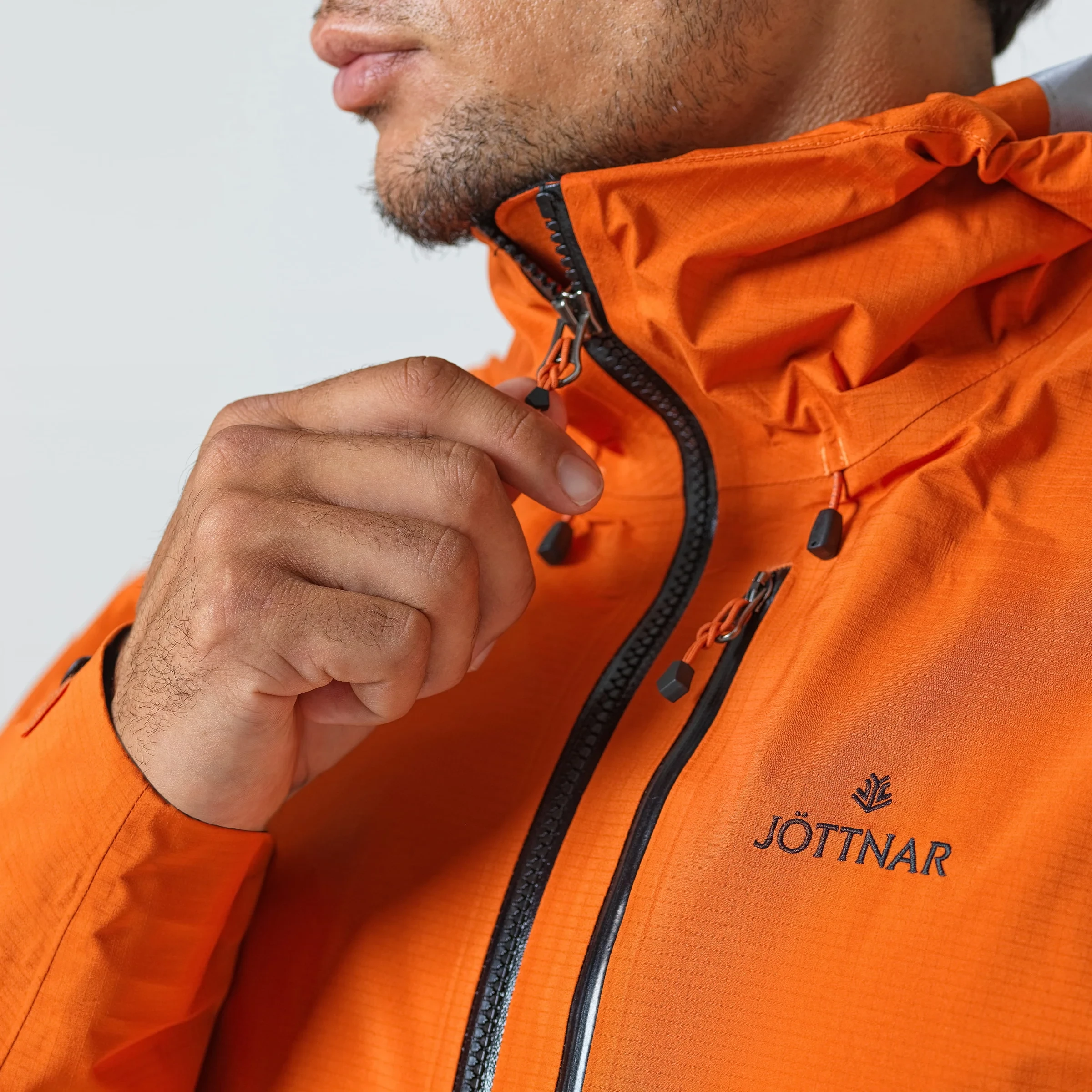
For the serious mountaineer, alpinist, or backcountry skier, the gear you carry is more than just equipment; it is a lifeline. Among the most critical pieces in this arsenal is the waterproof shell jacket. It is your primary shield against wind, rain, and snow, the one item that must perform without fail when conditions turn hostile. For decades, a difficult compromise existed: you could have a jacket that was exceptionally durable but punishingly heavy, or one that was fantastically light but fragile. Today, advancements in fabric technology and garment construction have narrowed this gap, giving rise to a new class of gear that offers lightweight durability.
This guide delves into the world of high performance waterproof shell jackets, exploring the technology, features, and philosophy that define the best in the industry. We will dissect what makes a jacket truly weatherproof, how to choose the right one for your pursuits, and how to care for it, ensuring it protects you for many seasons to come.
The Modern Adventurer’s Dilemma: Weight Versus Durability
Historically, the path to durability was paved with heavy materials. Jackets built to withstand the abrasive reality of rock, ice, and heavy packs were constructed from thick, stiff fabrics. While they offered bombproof protection, they came with a significant weight and bulk penalty. Every gram counts when you are moving for hours or days in the mountains, and carrying excess weight leads to faster fatigue, reduced speed, and ultimately, decreased safety.
On the other side of the spectrum were the ultralight shells. Designed for trail runners and minimalists, these jackets prioritized packability and low weight above all else. While excellent for short, fast missions in less demanding terrain, their thin face fabrics were often no match for the rigours of alpine climbing or shouldering a heavy expedition pack for days on end.
The modern challenge for gear designers is to find the perfect equilibrium. The goal is to create a garment that is light enough to be barely noticed in your pack, yet tough enough to endure repeated abuse in the harshest environments on Earth. This pursuit of balanced performance is what separates good gear from truly exceptional, life-saving equipment.
Deconstructing the Shell Jacket: The Science of Staying Dry
A waterproof shell is a complex laminated system, not just a single piece of fabric. Understanding its components is key to appreciating its performance. There are three primary elements that work in concert to keep you dry from the outside and the inside.
1. The Waterproof Breathable Membrane
This is the technological heart of the jacket. It is a microscopically thin layer, typically made from expanded polytetrafluoroethylene (ePTFE) or polyurethane (PU), that is laminated to the inside of the face fabric. Its genius lies in its pore structure. The pores are thousands of times smaller than a water droplet, physically blocking rain and snow from passing through. However, these same pores are large enough for individual water vapour molecules, your sweat, to escape. This is what makes a membrane “breathable,” a critical function for preventing you from getting soaked from your own perspiration during high exertion activities. Different brands use different membranes, from the well known Gore-Tex family to proprietary technologies developed in house by companies like
Jöttnar to meet specific performance targets.
2. The Face Fabric
This is the outer layer of the jacket that you see and touch. Its primary jobs are to protect the delicate membrane beneath it from abrasion and to provide the jacket’s structure and colour. The durability of a face fabric is often measured in denier (D), a unit that indicates the thickness of the individual fibres used to weave the fabric. A lower number, like 20D or 30D, indicates a lighter, more packable fabric, while a higher number, such as 70D or 100D, signifies a much more robust and abrasion resistant material. The art of modern jacket design involves strategically placing different denier fabrics on the same garment, a practice known as body mapping, to add durability in high wear areas like the shoulders and hips without adding unnecessary weight elsewhere.
3. The Durable Water Repellent (DWR) Finish
DWR is a chemical treatment applied to the exterior of the face fabric. It is not what makes the jacket waterproof; that is the membrane’s job. Instead, DWR works by causing water to bead up and roll off the surface, rather than soaking into the face fabric. This is crucial for two reasons. First, it maintains the jacket’s breathability. If the face fabric becomes saturated with water, a phenomenon known as “wetting out,” it can no longer allow water vapour to pass through, and you will feel clammy and wet inside, even if no water has breached the membrane. Second, a waterlogged face fabric is heavy and makes you feel colder.
The Ethos of Extreme Performance
Founded by former Royal Marines who served in the Norwegian mountains, the Jöttnar brand was born from a need for equipment that could perform flawlessly in the most severe conditions. This background instills a design philosophy rooted in functionality, reliability, and an uncompromising commitment to quality. Every feature, stitch, and fabric choice is deliberate, tested not just in a lab but in the unforgiving environments for which it was created. The purpose built design of Jöttnar waterproof shell jackets is a direct result of this philosophy, creating gear that is stripped of unnecessary frills and focused entirely on providing elite level protection. This approach ensures that users can place absolute trust in their gear when they are far from rescue and facing the full force of nature.
Beyond the Fabric: Critical Construction Details
A world class fabric is only as good as the construction that surrounds it. Several key features elevate a jacket from merely weatherproof to a truly functional piece of mountain equipment.
1. Fully Taped Seams
Every stitch in a jacket creates thousands of tiny holes for water to penetrate. To create a fully waterproof garment, a special waterproof tape must be applied over every single seam on the inside of the jacket using heat and pressure. This is a meticulous and expensive process, and its quality is a hallmark of a premium shell.
2. Water Resistant Zippers
The main zip, pit zips, and pocket zippers are all potential points of water ingress. High quality shells use laminated, water resistant zippers, like the YKK AquaGuard series, which feature polyurethane coatings to prevent water from seeping through the teeth. A storm flap behind the main zipper provides a final layer of defence.
3. A Helmet Compatible Hood
For climbers and backcountry skiers, a hood must fit cleanly over a helmet without restricting movement or peripheral vision. Look for a three point adjustment system, allowing you to cinch the volume around the back of the head and adjust the aperture around the face. A stiffened, wired peak is essential for keeping its shape in high winds and directing rain away from your face.
4. Harness and Pack Compatible Pockets
Pockets that are rendered useless the moment you put on a climbing harness or a backpack’s hip belt are a critical design flaw. The best jackets feature raised “A line” chest pockets that sit high on the torso, remaining fully accessible at all times.
Choosing Your Armour: Matching the Jacket to the Mission
The “best” shell jacket is subjective and depends entirely on your primary activities.
For alpine climbing and Scottish winter mountaineering, durability is paramount. You need a jacket with a high denier face fabric, at least 40D and often higher in key areas, that can withstand scraping against rock and ice. A superb, fully adjustable helmet compatible hood and harness friendly pockets are non negotiable.
For ski touring and backcountry skiing, breathability becomes a more dominant factor. The constant cycle of high output skinning uphill and descending in deep snow demands a jacket that can vent moisture effectively. Large pit zips are a massive asset here, as is a slightly longer cut for added protection.
For fast and light hiking or trail running, weight and packability are the primary concerns. You will likely opt for a jacket with a lighter face fabric and a more minimalist feature set to save every possible gram.
The Unseen Enemy: How to Care for Your High Performance Shell
A technical shell jacket is a significant investment, and proper care is essential to protecting its performance and lifespan. Dirt, body oils, and campfire smoke can all clog the pores of the membrane, severely reducing its breathability.
Washing
Wash your jacket regularly using a specialised technical wash designed for waterproof clothing. Never use conventional detergents, fabric softeners, or bleach, as they contain surfactants and other chemicals that can strip the DWR finish and damage the membrane. Close all zippers and Velcro tabs before washing.