

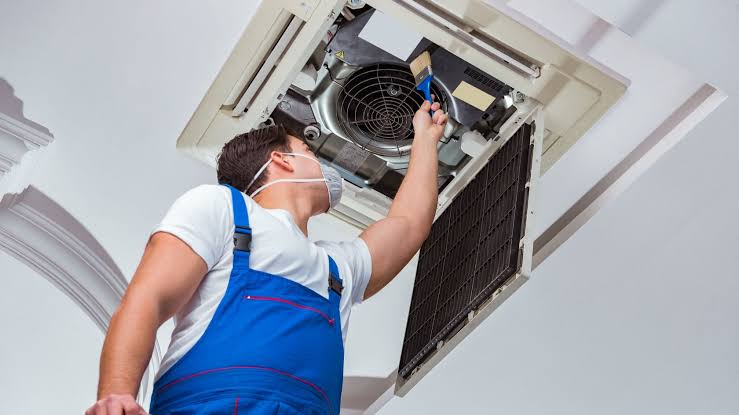
In a North Texas summer, a sluggish air conditioner is more than an inconvenience. Before you pick up the phone, you can do several safe checks at home that may clarify what is wrong and sometimes restore normal cooling. The goal is not to remove equipment panels or touch refrigerant components. Instead, focus on airflow, thermostat settings, breakers, and visible drainage issues. These simple checks can prevent a minor problem, such as a clogged condensate drain or heavily restricted filter, from developing into evaporator coil icing, short cycling, or a triggered float switch that shuts the system down.
-
Warm Air or Weak Airflow: Quick Checks That Matter
If the system runs but the air coming from the vents feels warm or weak, start with airflow. Verify that the thermostat is set to Cool and that the fan setting is Auto rather than On.
Next, inspect the return grille and air filter. A heavily loaded or overly restrictive filter can reduce airflow and contribute to coil icing. Make sure the filter is the correct size and appropriate for the system. Keep supply registers open and free of furniture, rugs, curtains, or other obstructions.
If these basic checks do not help, look for reliable local guidance on HVAC repair in Frisco so you can arrange service before attic temperatures and afternoon heat make recovery more difficult. Outside, visually inspect the condenser coil and surrounding area. Cottonwood, grass clippings, leaves, and other debris can reduce airflow through the outdoor coil and interfere with heat rejection. Keep vegetation and loose debris away from the unit, and maintain manufacturer-recommended clearances.
Avoid removing fan assemblies or electrical panels to clean the condenser yourself. If the coil is heavily contaminated, professional cleaning may be safer. Inside, listen for changes in blower operation. Unusual rattling, scraping, slow starts, or weak airflow may point toward a blower, duct, or airflow problem. In two-story Frisco homes, inadequate return airflow upstairs can also leave the second floor noticeably warmer even when the thermostat downstairs appears satisfied.
-
System Will Not Start or Shuts Off Quickly: Electrical and Safety Triggers
If the system does not respond at all, check the electrical panel for a tripped HVAC breaker. One reset may help determine whether the event was isolated, but if the breaker trips again, leave it off and arrange professional diagnosis. Repeatedly resetting a breaker can increase electrical risk and may worsen equipment damage.
Check the area around the indoor unit for signs of condensate problems. A clogged drain can fill a secondary pan and trigger a float switch that shuts down part of the system to prevent water damage. You may notice moisture in the pan, water around the air handler, or unusual drainage sounds.
Do not bypass or hold down a float switch to force the system to run. If water keeps collecting or the drain appears blocked, you may need professional cleaning. Intermittent starts and stops can indicate short cycling. A humming outdoor unit with a fan or compressor that doesn’t operate normally may indicate an electrical or mechanical starting problem. Do not push fan blades or open electrical compartments, as capacitors and other components can pose serious electrical hazards.
Short cycling can also result from airflow restrictions, control problems, thermostat placement, or coil icing. Frequent cycling may reduce comfort and interfere with normal moisture removal during humid weather.
-
Odd Noises and Smells: What They Can Tell You
Grinding, scraping, or sharp squealing from the indoor unit may indicate a blower or motor problem. A rhythmic rattle outdoors could come from loose debris, damaged fan components, or another mechanical issue. Repeated clicking from the outdoor unit followed by silence may indicate a control or electrical problem, but similar sounds can have several causes. Don’t diagnose or replace electrical parts based on sound alone.
Refrigerant moving through piping can create normal operational sounds. A new or persistent hissing noise combined with poor cooling, visible oil residue, or icing deserves professional evaluation.
Odors also provide useful clues. A musty smell may indicate moisture around the evaporator coil, drain pan, ductwork, or nearby materials. A brief dusty odor when heating equipment first runs after a long period of inactivity can sometimes occur, but persistent odors should be investigated. A sharp electrical or burning smell is more serious. Turn off the HVAC system and arrange service, especially if you notice smoke, visible scorching, melting insulation, or unusual heat around electrical equipment.
-
Uneven Rooms and Rising Bills: Airflow, Ducts, and Attic Heat
Persistent hot rooms do not always mean the air conditioner itself is failing. In Frisco homes with ductwork running through hot attics, loose register boots, disconnected branches, damaged flex duct, or poor insulation can reduce the amount of conditioned air reaching distant rooms. Return airflow matters just as much as supply airflow. A bedroom with the door closed and no adequate return pathway may become uncomfortable because air cannot circulate properly.
You can compare room conditions and airflow by observation, but avoid treating one temperature measurement as a complete diagnosis. Duct leakage, insulation, blower performance, equipment operation, and solar heat gain can all influence supply temperatures. Avoid closing multiple supply registers to force more air to another part of the home. Doing so can increase static pressure, reduce total airflow, create more noise, and contribute to coil icing.
Balancing dampers, additional return pathways, duct repairs, or insulation improvements may provide a better solution when airflow is uneven. Heat pump owners may also notice steam rising from the outdoor unit during a normal defrost cycle in winter. However, unusually frequent or prolonged defrost behavior under mild conditions should be documented and discussed with a technician.
-
What to Document Before You Call a Technician
Good notes can make diagnosis more efficient. Write down the thermostat mode, temperature setting, and fan setting. Note when the problem occurs, such as during late afternoon, overnight, or only when the upstairs becomes warm. Record any thermostat error messages or visible diagnostic codes. Note whether a breaker has tripped or whether water has collected around the indoor equipment.
Photos can also be helpful. If safe, photograph visible ice on accessible refrigerant piping, water in a secondary drain pan, a heavily clogged filter, or another obvious symptom. A short video of an unusual sound can also provide useful context if you can record it without approaching moving or energized equipment. If the model and serial numbers are visible without removing service panels, photograph those labels as well. Also note when the filter was last changed and whether any recent thermostat, electrical, duct, or HVAC work was performed.
Use Safe Checks to Narrow the Problem, Not Replace Diagnosis
These homeowner checks do not replace professional service, but they can protect the system while you wait and give a technician useful information about the likely cause. A dirty filter, blocked return, condensate issue, electrical fault, blower problem, duct leak, or control failure can produce overlapping symptoms. Accurate observations help narrow those possibilities without unsafe testing.
During FFrisco’s heat, a few minutes spent checking thermostat settings, airflow pathways, visible drainage conditions, and obvious outdoor obstructions can prevent a small problem from becoming a larger failure. When you see repeated breaker trips, substantial icing, burning odors, electrical symptoms, water overflow, or equipment that cannot start normally, leave the system off and call a qualified technician. Clear observations and simple preparation can shorten diagnostic time and help restore cooling with less disruption.
