

Choosing a full roof replacement or reroof in a maritime climate is different from completing the same work in a drier region. Persistent rain, gusty storms, and short summer dry spells shape every decision, from material selection to the order of installation. This article focuses on the practical details that most influence longevity in this environment, including climate appropriate materials, tear off strategy, ventilation, flashing, and timing. Homeowners and property managers can use these points to evaluate proposals and set realistic expectations for how the project will be staged and protected against moisture at every step.
-
How Puget Sound Weather Changes the Replacement Plan
Rain driven by wind and frequent wetting cycles demand a roof assembly that sheds water quickly and resists capillary action. On older homes with complex gables, dormers, or low slope connections, more surface area is exposed to crosswinds and splashing water. This increases the importance of continuous underlayment, sealed valleys, reliable starter courses, and drip edges at the eaves and rakes. Moss and needle debris create additional hazards by slowing runoff, so wide, clean valleys and clearly defined water paths are not merely aesthetic choices. They are functional safeguards against pooling and water backing up beneath the shingle field.
Microclimates can vary from one block to another in Seattle. Coastal neighborhoods experience more wind, while inland slopes may trap damp air and shade that encourage moss growth. A sound plan anticipates both conditions. Crews should schedule tear off and water protection for the same day, complete valleys and wall transitions before the workday ends, and leave the roof protected overnight with securely fastened synthetic underlayment rather than relying on tarps alone.
-
Material Choices That Perform in Rain and Wind
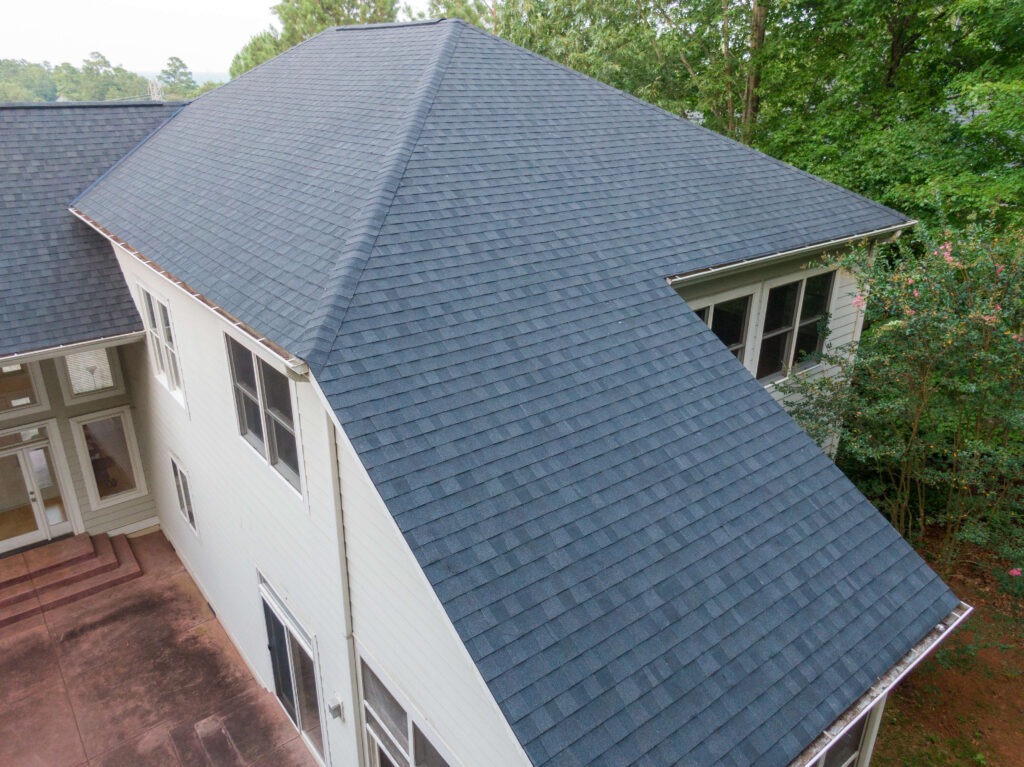
Architectural asphalt shingles remain a proven choice for steep slope roofs in this climate because their laminated construction and wider nailing zones help resist uplift when installed according to manufacturer specifications. Algae resistant granules can also help slow streaking in shaded areas. On coastal ridges and open lots, standing seam metal with concealed fasteners sheds water rapidly and performs well in gusty conditions, provided the panel profile matches the roof pitch and the clips are secured to solid sheathing. Each option involves tradeoffs. Metal can transmit the sound of rain or impacts more noticeably without suitable underlayment, while shingles require precise nailing patterns to achieve their rated wind resistance.
Underlayment and accessories perform much of the less visible work. Synthetic underlayment provides greater tear resistance than saturated felt during windy installation conditions. Self adhering membranes are useful in valleys, around skylight curbs, and at difficult roof and wall intersections because they help prevent wind driven water from moving beneath overlapping materials. A proper starter strip with adhesive at the eaves, continuous drip edges, and either open metal valleys or carefully installed shingle valleys create predictable drainage paths. High profile ridge caps also serve more than a visual purpose because they complete the exhaust path when paired with continuous ridge vents.
-
Tear Off Versus Overlay: Why the Deck Matters
A complete tear off reveals the condition of the roof sheathing, which is critical after years of moisture exposure. Soft or delaminated plywood cannot hold nails reliably, and overlays may trap residual moisture between layers. A tear off also allows carpenters to correct uneven decking, replace rotted fascia, and realign eaves so starter courses begin straight. Consider a 1950s bungalow that originally had cedar shakes installed over spaced boards. Adding shingles directly over skip sheathing can create an uneven surface that does not provide dependable fastening. A more durable approach is to strip the roof to the rafters, install solid sheathing, and then build the new assembly with modern underlayment, flashing, and either shingles or metal roofing.
-
Ventilation, Flashing, and Penetrations: Where Roofs Succeed or Fail
Balanced attic ventilation supports moisture control as well as temperature management. Adequate soffit intake allows ridge vents to exhaust humid air effectively. Without enough intake, ridge vents may draw conditioned air from the living space while leaving parts of the attic poorly ventilated. Baffles keep airflow paths open above insulation near the eaves, and additional low profile intake vents can supplement limited soffit areas on older homes. When warm indoor air meets a cool, damp roof deck, condensation can form on the underside of the sheathing. Balanced net free ventilation area between intake and exhaust helps reduce this risk and may contribute to longer roof life.
Flashing is another critical detail. Replace step flashing at each shingle course along sidewalls, add counterflashing where masonry meets the roof, and install kick out flashing at roof and wall terminations to prevent water from running behind siding. New pipe boots, properly sealed fasteners at satellite mounts, and correctly installed skylight flashing kits help prevent isolated leaks. Reusing brittle or corroded metal is a shortcut that may lead to leaks during the first winter storm. Consider a low slope porch that meets a stucco wall without proper kick out flashing. Water stains may appear down the wall after repeated storms. Correctly installed kick out and step flashing can stop this pattern by directing water into the gutter where it belongs.
-
Timing and Site Preparation When Rain Is in the Forecast
Roof replacement in a rainy city depends heavily on careful coordination. Crews should plan tear off sections that can be protected from water on the same day, beginning at higher areas and working downward so temporary protection continues to shed water. Self adhering membranes should be installed in valleys and around penetrations first, followed by synthetic underlayment that is securely fastened. Tarps should remain backup protection rather than the primary moisture barrier. On tight urban lots, crews should coordinate debris container placement, protect landscaping with breathable coverings, and screen gutters to prevent nails and granules from entering the drainage system. Consider a townhouse row with a shared driveway and weekday quiet hours. Short, staged tear offs, a debris chute leading to a compact container, and a magnetic sweep at the end of each workday can help keep the site organized and reduce hazards for neighbors.
What a Strong Proposal Looks Like in This Climate
When reviewing a roof replacement or reroof proposal, look for clear details about the scope of work. The proposal should address full tear off and deck inspection, synthetic underlayment with self adhering membranes at valleys and walls, new step flashing and kick out flashing, balanced intake and ridge ventilation, and a written weather plan that ensures the roof is protected from moisture before the end of each workday. Material selection should also match the roof pitch and exposure, while fastener patterns and accessories should follow the manufacturer’s published installation requirements. With these elements in place, a new roof is better prepared to handle months of rain and occasional strong wind without relying on luck or improvised protection.
