

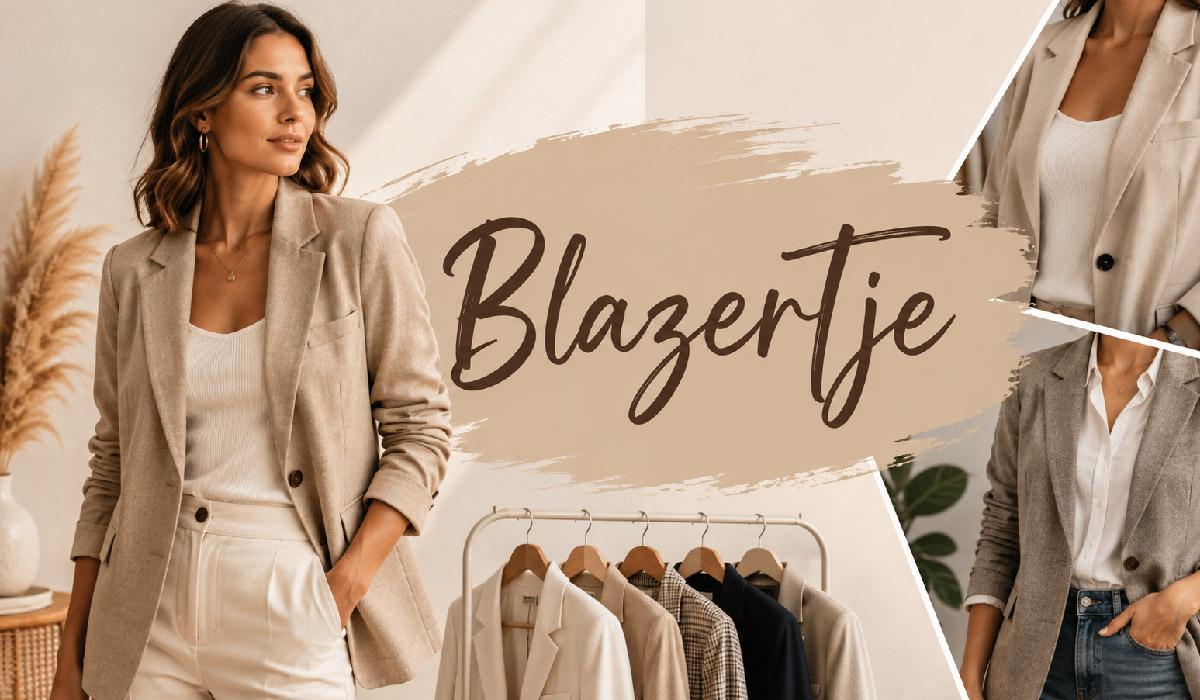
A blazertje is a Dutch fashion word connected to the familiar blazer. In simple English, it can be understood as a “little blazer” or “small blazer.” The word is often seen in Dutch clothing descriptions, fashion discussions, online searches, and increasingly in English-language fashion content.
However, a blazertje should not automatically be treated as a completely separate type of jacket. In Dutch, the word is the diminutive form of “blazer.” Dutch language references list “blazertje” as the smaller or softer form of the base word blazer.
In fashion use, people may associate the term with a softer, lighter, shorter, or more relaxed blazer. The exact appearance depends on the garment. Some blazertjes are fitted and polished, while others are oversized, casual, cropped, or made from lightweight fabric. This flexibility is one reason the term attracts attention from modern fashion readers.
Where Does the Word Blazertje Come From?
The word blazertje comes from Dutch. It combines “blazer” with a Dutch diminutive ending. Dutch commonly changes nouns by adding endings such as “-je” or “-tje,” creating a form that may suggest something smaller, softer, more familiar, or less serious. Blazertje is the recognized diminutive form of blazer.
This language detail is important because many online explanations describe a blazertje only as a lightweight fashion jacket. That can be useful for understanding certain styles, but it does not explain the full meaning of the word. A blazertje does not have to follow one exact pattern, fabric, or construction.
The word can therefore be understood in two ways. Linguistically, it is simply a Dutch diminutive of blazer. In fashion conversation, it may also create the feeling of an easy, approachable blazer rather than a very serious business jacket. Context usually shows which meaning is intended.
Blazertje vs Traditional Blazer: What Is the Difference?
A traditional blazer is normally associated with a neat, tailored appearance. It may have defined shoulders, lapels, buttons, pockets, lining, and fabric that helps the jacket maintain its shape. Traditional designs can range from formal-looking office pieces to casual sports-inspired jackets, so even the word blazer covers many styles.
A blazertje can have many of these same features. The important difference is that “blazertje” is not an international technical clothing category with fixed construction rules. Some examples may be lightweight and relaxed, while others can look very similar to an ordinary fitted blazer.
This means shoppers should pay more attention to the actual garment than its name. Look at the fabric, lining, shoulder shape, length, fit, and intended use. A soft linen blazertje may feel completely different from a lined wool version. The product description and physical construction usually tell you more about the jacket than the term alone.
Main Characteristics of a Blazertje
Many blazertjes sold as everyday fashion pieces have a comfortable and approachable appearance. They often keep recognizable blazer details, such as lapels and front buttons, while avoiding the very stiff shape associated with traditional corporate tailoring. This makes them easier to combine with relaxed clothing.
Soft shoulders are common in casual designs because they allow the jacket to follow the natural shape of the body. Some styles also use less internal padding or lighter lining. These details can make the garment feel easier to move in and more suitable for everyday use.
The length can vary greatly. A blazertje may finish around the waist, hip, or below the hip depending on the design. Buttons, pockets, collars, lapels, and sleeve shapes can also change. Instead of looking for one fixed list of features, think of a blazertje as part of the wider blazer family, with the exact style determined by the designer.
Different Types of Blazertjes
A single-breasted blazertje is one of the easiest versions to wear. It normally has one line of buttons and a clean front. Because the design is simple, it works well with jeans, trousers, dresses, skirts, and many everyday tops. It can appear polished without looking too formal.
Double-breasted versions have an overlapping front and two visible rows of buttons. They often create a stronger shape. Cropped blazertjes finish higher on the body and can work particularly well with high-waisted trousers, jeans, skirts, or dresses when a shorter jacket proportion is preferred.
Relaxed and oversized versions provide another option. Instead of closely following the waist, they create more space around the body. Longline designs extend farther below the hips and can create a smooth, longer silhouette. Slim or fitted designs provide more waist definition. None is automatically better; the right style depends on comfort and personal taste.
Best Fabrics for a Blazertje
Fabric makes a major difference to how a blazertje feels. Cotton and cotton blends are useful for everyday clothing because they can provide a balance between comfort and structure. A softer cotton jacket can feel casual, while a more tightly woven fabric can create a sharper and more tailored appearance.
Linen is especially useful in warm weather because it is breathable and naturally creates a relaxed look. Linen does wrinkle, but those creases are often accepted as part of its character. Lightweight wool can work well during cooler periods because it offers warmth while still allowing manufacturers to create refined jackets.
Viscose and blended fabrics can give a blazertje a softer drape. Polyester blends may improve durability or wrinkle resistance depending on their construction. Tweed creates more visible texture and can make a jacket feel richer and more substantial. The best choice depends on climate, comfort, intended use, budget, and the care you are prepared to give the garment.
How Should a Blazertje Fit?
The correct fit begins around the shoulders. For a traditionally fitted style, the shoulder seam should generally sit close to the natural end of your shoulder. If it hangs too far down without being intentionally oversized, the jacket may look too large. Pulling or tightness may mean it is too small.
The chest and upper back should allow comfortable movement. You should be able to move your arms forward without strong pulling across the back. If the jacket is designed to button, closing it should not create severe tension or deep lines around the button. Sleeves should also allow normal arm movement.
Oversized styles follow different rules. Their shoulder seams may intentionally fall lower, while longer sleeves and a roomier body may be part of the design. The most important questions are whether the proportions appear intentional and whether you feel comfortable. A fashionable fit should still allow you to sit, walk, reach, and move naturally.
How to Choose the Right Blazertje
Start by thinking about when you want to wear your blazertje. A person looking for an everyday jacket may benefit from a neutral, comfortable design that works with jeans and simple tops. Someone shopping mainly for work may prefer cleaner lines, moderate structure, and a fabric that keeps a polished appearance.
Next, consider the clothes already in your wardrobe. A beautiful jacket has limited value if it matches very few things you own. Black, navy, grey, brown, beige, and cream can be easier to combine, although colorful jackets can be useful when you deliberately want the blazertje to become the main feature.
Comfort should remain a priority. Check the shoulders, sleeves, chest, back, and overall length. Look at yourself from the front, side, and back rather than judging the jacket from one angle. The best blazertje is not simply the most fashionable one. It is the version you can wear regularly and confidently.
How to Style a Blazertje
One of the simplest ways to style a blazertje is with a plain T-shirt and jeans. The casual pieces keep the outfit comfortable, while the jacket adds a more finished appearance. Sneakers can keep the combination relaxed, while loafers or boots can make the same outfit look slightly smarter.
For a more polished combination, wear the jacket with tailored trousers and a shirt, blouse, fine knit, or simple fitted top. The pieces do not need to come from a matching suit. Carefully chosen separates can create a professional look while still feeling more relaxed than traditional business clothing.
A blazertje can also work with dresses and skirts. A short jacket can create contrast with a longer dress, while a longline blazer can provide a smooth outer layer over a simple outfit. Accessories are best chosen according to the occasion. A belt, understated jewelry, scarf, handbag, or watch can complete the look without making it feel crowded.
How to Wear a Blazertje for Different Occasions
A blazertje can be useful for situations where ordinary casual clothing feels slightly too relaxed but formal tailoring feels unnecessary. For a lunch, coffee meeting, shopping trip, or casual gathering, it can be worn over a T-shirt, knit top, or simple shirt with jeans and comfortable footwear.
In a business-casual workplace, a cleaner blazertje can be combined with trousers, a skirt, or a simple dress. Dark or neutral colors usually create a more traditional professional appearance, while softer colors and relaxed fabrics can make the outfit feel more modern. Workplace dress expectations should always be considered.
For dinners and social events, richer textures or sharper shapes can make the jacket feel more special. However, a blazertje cannot replace every formal garment. Weddings with strict dress codes, formal business events, black-tie occasions, and other highly formal settings may require clothing that follows more specific rules. Always dress for the actual occasion.
How to Wear a Blazertje Through the Seasons
Spring is well suited to a lightweight blazertje because temperatures can change throughout the day. Cotton, linen blends, and other breathable fabrics can provide an extra layer without the weight of a winter coat. Pale neutrals and softer shades can also work naturally with spring clothing.
During summer, fabric becomes particularly important. Linen and lightweight blends can be easier to wear than heavy lined jackets. Current 2026 fashion coverage has continued to highlight linen, cream, black, pinstripe, and oversized blazers as warm-weather styling choices, showing how adaptable blazer dressing has become.
Autumn creates even more opportunities for layering. A blazertje can be worn over shirts, fine knits, or lightweight turtlenecks. Recent fall 2026 fashion coverage has also featured oversized blazers and relaxed tailoring. During colder winter weather, heavier wool blends can work indoors or beneath suitable outerwear.
Blazertje for Women, Men and Modern Wardrobes
A blazertje does not need to belong to only one type of wardrobe. Blazers have long appeared in both menswear and womenswear, and modern styling provides even more freedom. The most useful approach is to choose a cut based on the look, comfort, and proportions you want instead of relying only on gender labels.
People who prefer traditional styling may wear a fitted or softly structured blazertje with trousers, shirts, skirts, or dresses. Those who enjoy casual clothing may choose an oversized version and combine it with denim, T-shirts, loose trousers, sneakers, or other relaxed pieces.
Gender-neutral styling often focuses on simple shapes, versatile colors, and flexible proportions. A straight-cut black, navy, grey, beige, or brown blazer can work across many wardrobes. The growing popularity of relaxed tailoring also makes traditional boundaries less important. What matters most is how the jacket fits, feels, and works with the rest of an individual’s clothing.
Best Blazertje Colors and How to Match Them
Neutral colors are usually easiest for someone buying a first blazertje. Black can create a sharp and simple appearance and works with a large range of colors. Navy offers similar versatility while appearing slightly softer. Grey can work with black, white, blue, denim, and many muted shades.
Beige, cream, camel, and brown provide warmer alternatives. These colors can look particularly natural with white, denim blue, olive, black, and other earth-inspired shades. They can also help create softer outfits when a dark jacket feels too strong for the rest of the clothing.
A colorful blazertje can make a simple outfit more interesting. Red, green, blue, burgundy, pink, and pastel shades can become the main visual feature when the rest of the outfit is kept simple. Patterns such as checks, stripes, or herringbone can provide additional detail. Choose colors because they work with your wardrobe, rather than buying a shade only because it is temporarily popular.
How to Recognize a Good-Quality Blazertje
Start by looking closely at the fabric. It should feel appropriate for the jacket’s purpose and should hang naturally rather than twisting strangely. Expensive fabric is not always necessary, but weak, overly thin, or poorly finished material may lose its appearance faster. Check whether patterns line up reasonably well around visible seams.
Stitching is another useful sign. Seams should look secure, buttonholes should be neatly finished, and buttons should be attached properly. Examine the lapels, pockets, cuffs, and inside of the jacket. An unlined blazertje is not automatically lower quality; many lightweight jackets are deliberately made without lining. The internal seams should still be finished neatly.
Finally, put the jacket on and move. Raise your arms, bend them, sit down, and reach forward. Good construction should support normal movement. Check that the jacket hangs evenly and that the front does not twist. Quality is a combination of material, construction, fit, finishing, and long-term usefulness rather than price alone.
What to Consider Before Buying a Blazertje
Before paying for a blazertje, ask yourself how often you are likely to wear it. A versatile jacket that works with many existing outfits may provide better value than a dramatic design that can only be worn occasionally. Think about work, weekends, travel, dinners, and other situations where you actually need an extra layer.
The care requirements also matter. Some fabrics are easy to maintain at home, while others may need careful washing or professional cleaning. A jacket that does not suit your lifestyle can become inconvenient even if it looks excellent. Read the care label before buying whenever possible.
Avoid choosing a size only because you want an oversized appearance. A jacket specifically designed with oversized proportions will normally look more intentional than simply buying a fitted style several sizes larger. Pay attention to the shoulder position, sleeve width, body shape, and length. Good purchasing decisions combine fit, quality, usefulness, maintenance, and personal style.
How to Care for and Store a Blazertje
Always begin with the garment’s care label because two blazertjes that look almost identical may contain different fibers and require completely different cleaning methods. Do not assume that every cotton jacket can be machine washed or that every wool jacket must receive exactly the same treatment. Manufacturer instructions should take priority.
For everyday maintenance, airing the jacket after wearing it can help keep it fresh. A garment steamer may remove light creases from many fabrics, but heat should still be used carefully. Small marks can sometimes be treated locally if the care instructions allow it, reducing the need to clean the entire garment too often.
Storage is also important. A supportive hanger can help maintain the shoulder shape better than folding the jacket for long periods. Make sure the garment is clean and dry before extended storage. Avoid squeezing it tightly between heavy clothing. Careful cleaning and storage can help preserve its shape, fabric surface, buttons, lining, and overall appearance.
Is the Blazertje a Trend or a Wardrobe Staple?
Fashion trends constantly change, but blazer-style jackets have remained useful because they sit between highly casual and highly formal clothing. A simple blazertje can be worn with denim one day and tailored trousers the next. That flexibility gives it more long-term value than many pieces built around one short-lived trend.
Individual blazer details still move with fashion. One season may favor oversized shoulders, while another may focus on cropped shapes, narrow waists, unusual fabrics, or traditional tailoring. In 2026, fashion coverage continues to show interest in oversized blazers, lightweight jackets, relaxed tailoring, linen, and transitional layering.
This does not mean every wardrobe needs to follow those trends. A well-fitting neutral jacket can remain useful even when fashionable proportions change. Rather than asking whether blazertjes themselves will disappear, it is more useful to separate the lasting blazer concept from temporary colors, cuts, materials, and styling ideas.
Final Thoughts
Blazertje is best understood first as a Dutch word connected to blazer rather than as a completely new garment with strict international rules. Literally, it is the diminutive form of blazer, although fashion use can give the word a lighter, friendlier, and more relaxed feeling. Actual blazertjes can vary greatly in shape, fabric, length, and structure.
That variety is part of their appeal. A blazertje can work with jeans and sneakers for a casual outfit, trousers for business-casual dressing, or a dress for a more polished occasion. Lightweight linen can suit warmer weather, while wool and heavier blends can provide more comfort during cooler seasons.
The key is choosing carefully. Look for comfortable shoulders, useful colors, suitable fabric, good construction, and a shape that works with clothing you already own. When these details come together, a blazertje can become a practical jacket that provides an easy balance between everyday comfort and tailored style.
Frequently Asked Questions
What is a Blazertje?
A Blazertje is the Dutch diminutive form of the word blazer. In fashion, the term can describe a smaller, softer, lighter, or more relaxed blazer, depending on the design and context.
What is the difference between a Blazertje and a blazer?
A Blazertje belongs to the wider blazer family rather than being a strictly separate clothing category. It may have lighter fabric or relaxed tailoring, but the exact design can vary.
Can you wear a Blazertje with jeans?
Yes. A Blazertje can work very well with jeans, a simple T-shirt, shirt, or knit top. This combination creates an easy smart-casual outfit without looking overly formal.
Is a Blazertje suitable for work?
Yes, depending on your workplace dress code. A neat Blazertje paired with tailored trousers, a skirt, shirt, or simple dress can create a comfortable and polished business-casual look.
What is the best fabric for a Blazertje?
The best fabric depends on the season and occasion. Linen and lightweight cotton are useful for warmer weather, while lightweight wool and thicker blends can provide more warmth during cooler months.
You May Also Read: Wachappe: Powerful Guide to Its Features, Safety and Risks
